
Blooming
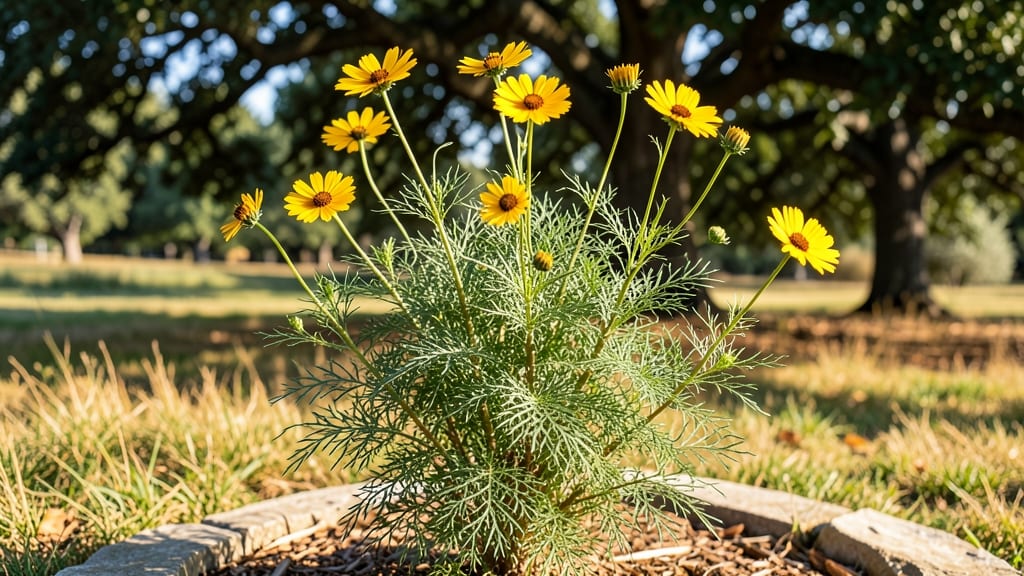
Coreopsis does bloom all summer in many varieties, typically producing vibrant flowers from early summer through fall. Varieties like 'Moonbeam' and 'Zagreb' continue blooming if you regularly remove spent flowers, while cooler-season types may slow during heatwaves but recover as temperatures drop.
Coreopsis is a gardener's dream because its blooming season stretches across the warm months, often from June through September or even October in cooler climates. 🌸 The key to keeping them in flower is consistent care—removing faded blooms (deadheading) encourages new flowers to form, while proper watering and well-draining soil prevent stress.
I've noticed that heat-tolerant varieties like 'Grandiflora' handle summer heat better than others, making them ideal for southern gardens where temperatures can be relentless.
What makes coreopsis so reliable is its adaptability to different growing conditions. While some varieties may pause flowering during extreme heat, they typically bounce back once temperatures moderate.
This makes them perfect for gardeners who want long-lasting color with minimal effort. Plus, their drought tolerance means they thrive even when other plants struggle during dry spells.
💡 In This Article
- Coreopsis Flowering Seasons by Variety
- Extending Coreopsis Blooms: Pruning and Care Tips
Coreopsis flowering seasons by variety
Coreopsis varieties exhibit distinct bloom patterns based on their genetic makeup and growing conditions. Early bloomers like 'Early Sunrise' kick off the season as soon as soil temperatures reach 60°F, often appearing in late May or early June.
These varieties thrive in cooler climates where summers are mild, producing bright yellow blooms that last 4-6 weeks before transitioning to their second flush in late summer. In contrast, heat-tolerant hybrids such as 'Grandiflora' and 'Moonbeam' peak in mid-summer, handling temperatures up to 90°F while maintaining vibrant color.
The duration of blooming depends heavily on regional climate. In the Pacific Northwest, where summers are cool and wet, coreopsis may bloom continuously from June through September with minimal care.
However, in southern states like Texas or Florida, varieties like 'Zagreb' (a compact, daisy-like type) often slow down during peak heat but rebound in late summer when afternoon temperatures drop below 85°F.
The key difference lies in their heat tolerance—cool-season types prioritize early blooming, while heat-tolerant varieties focus on sustained summer performance.
Late-season performers like 'Red Bird' (with its striking burgundy petals) extend the blooming window into October in cooler zones, while in warmer regions, they may fade by early September.
What’s fascinating is how coreopsis adapts its flowering cycle to local conditions: in Zone 5, they might bloom for 10-12 weeks, whereas in Zone 9, the season can stretch to 14-16 weeks with proper care. This adaptability makes coreopsis a reliable choice for gardeners in diverse climates.
Color also plays a role in bloom duration. Lighter varieties like 'Sunray' (pure white) tend to have longer flowering periods because their petals reflect more sunlight, reducing heat stress. Darker varieties, such as 'Firebird' (deep red), may require more frequent deadheading to maintain vibrancy in hot climates.
The contrast in petal color affects how quickly flowers fade under intense sunlight—a critical factor for gardeners in sunny regions.
For those in transitional climates (like Zone 7), the secret to continuous blooms lies in selecting a mix of early, mid, and late-season varieties. Planting 'Early Sunrise' alongside 'Grandiflora' creates a staggered bloom effect, ensuring your garden stays colorful from June through October.
This strategy leverages the plant’s natural ability to compensate for seasonal shifts, making coreopsis a low-maintenance yet high-impact perennial.
One often-overlooked factor is soil fertility. Coreopsis thrives in well-draining, slightly alkaline soil (pH 6.0-7.5), which affects nutrient uptake and stress resilience. In nutrient-poor soils, blooms may be smaller or less frequent, while in rich soils, they produce larger, more abundant flowers.
This is why many gardeners swear by adding a balanced fertilizer (10-10-10) in early spring—it primes the plant for a longer, more vibrant flowering season.