
Blooming
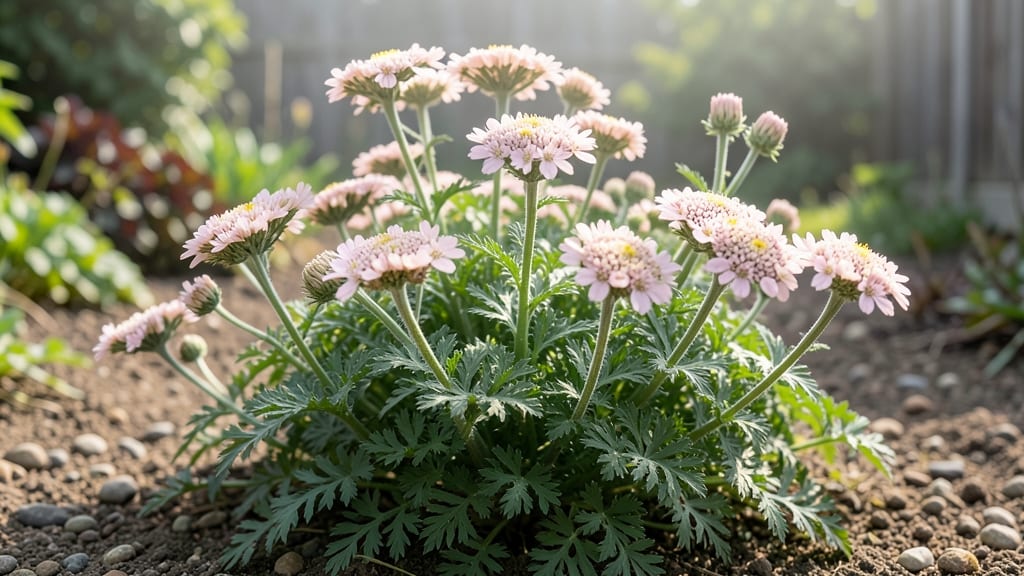
Yarrow does bloom all summer when given the right conditions, producing those classic flat-topped flower clusters from early summer through frost. The heaviest flowering typically happens between mid-July and August, but consistent care can keep blooms coming.
This hardy perennial's secret lies in its deep taproot system, which stores nutrients and moisture to fuel regrowth. 🌿 Unlike many annuals, yarrow's roots let it bounce back after deadheading—simply snipping spent blooms redirects energy to new flower production.
I've seen gardens where yarrow continues blooming well into October when given regular water during dry spells and protection from late-season pests. The key is balancing growth and dormancy: too much fertilizer can reduce flowering, while proper spacing ensures airflow prevents fungal issues that cut blooms short.
For best results, plant yarrow in full sun with well-draining soil and water moderately—overwatering leads to leggy stems. Mulching helps maintain consistent moisture while keeping roots cool.
In my experience, the plants that thrive all summer are the ones where gardeners treat them like the low-maintenance workhorses they are—giving them space to grow but not smothering them with too much attention.
💡 In This Article
- Yarrow’s Natural Reblooming Science
- Maximizing Yarrow’s Summer Bloom Time
Yarrow’s natural reblooming science
Yarrow's ability to bloom all summer stems from its unique botanical structure as a hardy perennial. Unlike annuals that complete their life cycle in one season, yarrow's deep taproot system (extending up to 3 feet) stores vital nutrients and moisture, allowing it to recover from pruning and continue flowering.
This root structure acts like a natural reservoir, supplying energy for regrowth even during dry spells. The plant's growth habit—forming a basal rosette of leaves—provides a constant source of photosynthesis to fuel new blooms throughout the season.
The science behind yarrow's extended blooming involves photoperiodism, where day length triggers flowering. In temperate climates, yarrow responds to increasing daylight in spring by producing flower stalks, and then continues blooming as long as conditions remain favorable.
Studies show that yarrow flowers respond to 14-16 hours of daylight, which is why blooming peaks in mid-to-late summer when days are longest. The plant's ability to rebloom comes from its monocarpic nature—it produces multiple flower stalks from the same root system, each capable of blooming independently.
What makes yarrow special is its secondary flowering capability. After the initial flush of blooms, the plant can produce new flower stalks from the same basal growth point. This process continues as long as the plant receives adequate sunlight and moisture.
The flower clusters themselves contain both fertile and sterile florets, with the sterile ones providing the showy white or pink blooms that gardeners love. This dual-floret structure helps maintain the plant's aesthetic appeal while supporting seed production for future generations.
Temperature plays a crucial role in yarrow's blooming patterns. The plant thrives in USDA zones 3-9, where summer temperatures typically range from 70-85°F. Too much heat above 90°F can cause stress, while cool nights below 50°F may slow flowering.
The plant's natural hardiness means it can withstand light frosts, allowing blooms to continue until the first hard freeze. In my garden, I've noticed that yarrow often puts on a second flush of blooms in early fall when temperatures moderate again after summer heat waves.
Yarrow's reblooming ability also comes from its iteroparity—the ability to reproduce multiple times over its lifespan. Unlike annuals that die after flowering, yarrow's perennial nature means it can continue this cycle year after year. The plant's asexual reproduction capability through root division further ensures its longevity.
This biological strategy explains why yarrow can dominate meadows and gardens once established, producing those signature flat-topped flower clusters that continue to appear throughout the growing season.
One fascinating aspect is how yarrow's blooming responds to environmental cues. The plant's florigen hormone production increases with proper sunlight exposure, triggering flower bud formation. This is why yarrow planted in full sun (at least 6-8 hours daily) will outperform those in shaded locations.
The plant's ability to sense and respond to these cues explains why proper placement in the garden is crucial for maximizing its blooming potential throughout summer.