
Blooming
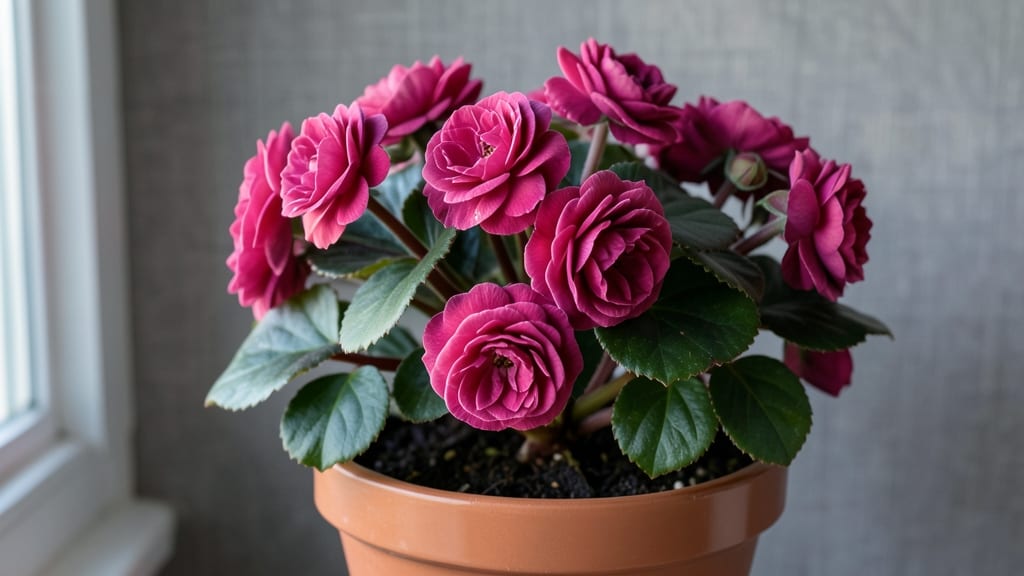
Double bloom begonias deliver nonstop color without the fuss of constant deadheading. 🌸 I learned the hard way that these plants thrive when you mimic their tropical roots—bright indirect light, consistently moist soil, and humidity that keeps their leaves from crisping at the edges.
The secret to their famous double blooms? A little extra care during their growing season pays off with flowers that last from spring through frost (and even indoors in winter).
You'll need well-draining potting mix with added perlite, a container with drainage holes, and a spot that gets morning sun and afternoon shade.
Begonias hate soggy roots but won't forgive you for drying out either—think of them like a fussy houseplant that rewards good habits with weeks of continuous blooms.
The key is keeping the soil evenly moist without letting it sit in water, and feeding every 4-6 weeks with a balanced fertilizer during active growth.
What you'll end up with is a plant that blooms heavily for months, with those signature double-layered flowers in shades from pink to white to deep red.
The foliage stays lush and glossy, and you'll rarely need to prune—just pinch back leggy stems in early summer to encourage bushier growth. These are the kind of plants that make neighbors ask, "What's your secret?"
Works equally well in hanging baskets, window boxes, or patio containers, and they're perfect for adding color to shady spots where other plants struggle. The only real challenge is keeping them happy through winter—more on that later. Let's get those blooms going!
📚 In This Guide
- What you need
- Instructions
- Tips and common mistakes
- Wrapping up and next steps
What you need
- ● Double Bloom Begonia Plant: Choose a healthy Begonia semperflorens-cultorum variety (e.g., 'Dragon Wing' or 'Rex'). Start with 1-2 plants for small pots or 3-5 plants for garden beds.
- ● Well-Draining Potting Mix: A blend of 50% peat moss or coco coir, 30% perlite or vermiculite, and 20% compost (or use a pre-mixed african violet mix for best results).
- ● Containers or Garden Space: For pots: 6-8 inch diameter containers with drainage holes (hanging baskets work too!).
- ● For gardens: A sunny, sheltered spot with partial shade (4-6 hours of indirect light daily).
- ● Watering Can or Spray Bottle: A gentle spray nozzle helps avoid damaging delicate blooms.
- ● Balanced Fertilizer: 10-10-10 or 20-20-20 diluted to ½ strength (apply every 4-6 weeks during growing season).
- ● Pruning Shears: Sharp, sterilized shears for trimming leggy stems (avoid heavy pruning—these beauties bloom with minimal effort!).
- ● Grow Lights: LED full-spectrum (12-14 hours/day) if growing indoors with low natural light.
- ● Plant Humidifier: A pebble tray or humidifier to maintain 50-60% humidity (critical for tropical begonias!).
- ● Mulch: Organic mulch (e.g., shredded bark) to retain moisture in garden beds.
- ● Temperature: Ideal range is 65–75°F (18–24°C). Avoid drafts or temps below 50°F (10°C).
- ● Light: Bright, indirect light (east or north-facing windows are perfect). No direct midday sun!
- ● Watering Routine: Keep soil consistently moist but not soggy (water when top 1 inch feels dry).
Step-by-Step guide to growing double bloom begonias
Double bloom begonias reward patience with vibrant, continuous flowers—here’s how to coax their best performance with minimal fuss.
🌱 Step 1: Choose the Right Location and Light
Double bloom begonias thrive in bright, indirect light—think east or north-facing windows where they get morning sun and afternoon shade. Too much direct sun scorches their delicate leaves, while too little light weakens stems and reduces blooms. I place mine on a windowsill with sheer curtains to diffuse harsh afternoon rays.
Watch for signs of stress: leaves turning pale yellow mean too much light, while leggy growth with sparse leaves signals insufficient light. Rotate the pot quarter-turn weekly to encourage even growth. If your space lacks natural light, supplement with a grow light positioned 12-18 inches above the plant for 12-14 hours daily.
💧 Step 2: Water Consistently Without Overdoing It
These begonias love moisture but hate soggy roots. Water when the top inch of soil feels dry to the touch—usually every 2-3 days in warm weather, but less frequently in cooler months. I use room-temperature water and pour it directly onto the soil until it drains through the bottom. Empty the saucer after 10 minutes to prevent root rot.
Here’s the thing—double bloom begonias wilt easily, but don’t panic when you see drooping leaves. They recover quickly once watered. However, if the leaves feel mushy or the stems turn black, you’ve overwatered. Adjust your schedule: water less frequently and let the top 2 inches of soil dry out between waterings until the plant stabilizes.
☀️ Step 3: Feed for Continuous Blooms
Use a balanced liquid fertilizer (10-10-10 or 20-20-20) diluted to half-strength every 2 weeks during the growing season (spring through fall). I switch to a low-phosphorus formula (like 10-5-10) in winter to avoid leafy growth at the expense of flowers. Always water the plant first—fertilizer burns roots if applied to dry soil.
Watch for fertilizer burn: crispy leaf edges or yellowing tips mean you’re overdoing it. If this happens, flush the soil with plain water for 10 minutes to leach out excess salts. In winter, reduce feeding to once a month—these plants slow down naturally when days shorten, and forcing growth can stress them.
✂️ Step 4: Prune Strategically for Bushier Growth
Double bloom begonias reward light pruning to encourage fuller, bushier plants. Pinch back the top set of leaves when the plant reaches 6 inches tall to trigger branching. Use clean, sharp scissors to snip just above a leaf node—this is where new growth will sprout. I do this in early spring to reset the plant after winter dormancy.
Deadhead spent blooms by snipping the stem ¼ inch above the next leaf node (never at a joint). This redirects the plant’s energy into new flowers instead of seed production. Avoid heavy pruning—never cut more than ⅓ of the plant’s height at once, or you’ll shock it into leafy regrowth with few blooms. Prune in the morning so wounds have all day to heal.
🪴 Step 5: Overwinter for Next Year’s Blooms
When temperatures drop below 50°F, move your begonia indoors to a cool, bright spot (like a garage with a window). Reduce watering to once every 7-10 days and stop fertilizing entirely. The plant will enter dormancy, and leaves may yellow—this is normal. I place mine near a south-facing window but away from heating vents, which dry out the air.
In late winter (around February), resume watering when the top inch of soil dries out. Increase light exposure gradually over 2 weeks to avoid sunburn. By March, you’ll see new growth—this is your cue to restart fertilizing and prune back any leggy stems to 4-6 inches tall. With proper overwintering, your begonia will bloom again next season with even more vigor.
Tips & tricks for perfect double bloom begonias
Here's what nobody tells you about keeping these beauties thriving with less fuss than you'd expect.
Lighting Strategy: When setting up your grow light in Step 1, position it slightly off-center so the plant doesn't grow toward one side. I tilt mine at a 45-degree angle for more even coverage. For beginners, a simple LED bulb works just as well as expensive grow lights—just make sure it's 12-14 hours of consistent light. The key is maintaining that distance of 12-18 inches; closer means stronger light but potential leaf burn, while farther means weaker growth.
Watering Wisdom: The top inch dry test in Step 2 works perfectly, but here's the real secret: use a moisture meter for the first few weeks to understand your plant's rhythm. I've found double bloom begonias often need watering every 2-3 days in summer, but this can vary wildly based on your home's humidity. If you notice the soil staying damp longer than expected, it's likely your plant's pot isn't draining properly—consider repotting with fresh, well-draining soil mix.
Fertilizer Timing: When you're fertilizing every 2 weeks in Step 3, I've discovered a little trick that makes all the difference: alternate between your regular balanced fertilizer and a seaweed-based fertilizer. The seaweed version (used every 4th feeding) boosts root health and helps the plant absorb nutrients more efficiently. Always remember to water first—this simple step prevents fertilizer burn that can ruin your plant's growth.
Pruning Precision: For Step 4, when you're deadheading those spent blooms, pay close attention to the angle of your snip. Cutting at a 45-degree angle just above the leaf node creates a larger surface area for new growth to emerge. I've found this small detail makes a noticeable difference in how quickly new blooms appear. And when you're pruning back leggy stems in March, cut them back to just above a leaf node—this encourages bushier growth rather than just taller stems.
Pro Tips for Double Bloom Begonia
- Here's what nobody tells you about keeping these beauties thriving with less fuss than you'd expect.
- Lighting Strategy: When setting up your grow light in Step 1, position it slightly off-center so the plant doesn't grow toward one side.
- Watering Wisdom: The top inch dry test in Step 2 works perfectly, but here's the real secret: use a moisture meter for the first few weeks to understand your plant's rhythm.
Frequently asked questions
about double bloom begonias—because every gardener deserves clarity! Whether you're a newbie or a seasoned plant parent, these answers will help you keep your begonias thriving with minimal fuss.How often do double bloom begonias actually bloom?
With the right care, these beauties can produce continuous blooms for months! In ideal conditions (bright, indirect light and consistent moisture), you’ll see flowers year-round, with peak blooming in spring and summer. Pro tip: Deadhead spent blooms to encourage even more flowers!
Can double bloom begonias survive winter indoors?
These tropical darlings thrive indoors in winter with bright, indirect light (like a sunny windowsill). Keep temps between 60–75°F and reduce watering slightly—they’re more drought-tolerant in cooler months. Just avoid drafts or sudden temp drops!
What’s the easiest way to propagate double bloom begonias?
No fancy tools needed! Snip a healthy stem (4–6 inches) just below a leaf node, dip it in water, and place it in moist potting mix. Keep it humid (a plastic bag helps!) and in bright, indirect light. Roots should appear in 2–4 weeks. Bonus: This is the perfect way to share plants with friends!
Why are my begonia leaves turning yellow?
Yellow leaves usually mean overwatering or poor drainage. Let the top inch of soil dry out between waterings, and ensure your pot has drainage holes. If pests (like spider mites) are the culprit, wipe leaves with soapy water and isolate the plant. Prevention tip: Dust leaves occasionally to deter pests!
Are there any low-maintenance alternatives to double bloom begonias?
If you love the look but want even less effort, try Wax Begonias (long-lasting blooms) or Bulbous Begonias (drought-tolerant). For zero-pruning plants, consider Calatheas or Peperomias—they’re equally stunning and nearly foolproof!
Wrapping up and next steps
Double bloom begonias are the perfect low-maintenance superstars for adding vibrant color to your garden or home all year round! 🌸 With just a little care—like proper lighting, humidity, and minimal pruning—they’ll reward you with continuous blooms that turn heads.
Whether you're a seasoned gardener or just starting out, these beauties make it easy to enjoy nature’s artistry without the fuss.
Ready to transform your space? Start by picking your favorite variety, grab your supplies, and give these stunning plants the love they deserve. Watch them thrive—and soon, you’ll be the envy of every plant parent! 🌿✨