
Blooming
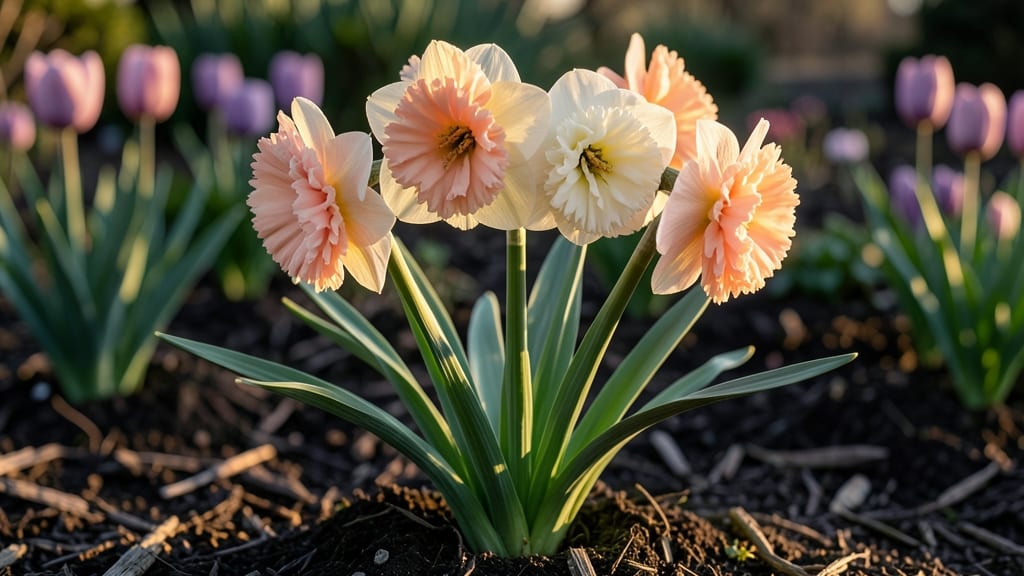
Double bloom daffodils are the secret weapon for gardeners who want two shows of color each spring—no fancy tricks required. 🌼 I’ve grown them for years, and the difference between one flush of blooms and two comes down to a few simple adjustments after the first flowers fade.
These aren’t your grandma’s single-stem daffodils. Double bloomers like ‘Tête-à-Tête’ or ‘Ice Follies’ pack two to four flowers per stem, but they need encouragement to rebloom. The key?
Let those first blooms go to seed naturally, then feed and water them like they’re about to perform again—which, with the right care, they will. By midsummer, you’ll spot fresh buds forming at the base of the stem.
These second blooms arrive in late fall or early spring, often when everything else is still dormant. The secret lies in cool nights, consistent moisture, and a little extra fertilizer—no heat waves or drought stress allowed. Works best in zones 3-8 where winters stay cold but summers aren’t scorching.
Even my first attempt with ‘Peeping Tom’ rebloomed, proving this trick isn’t just for experts. Let’s get those second flowers blooming!
📚 In This Guide
- What you need
- Instructions
- Tips and common mistakes
- Wrapping up and next steps
What you need
- ● Double bloom daffodil bulbs: 10–20 bulbs (depending on desired coverage; choose varieties like 'Tête-à-Tête,' 'Ice Follies,' or 'Peach Sorbet' for reliable double blooms).
- ● Well-draining potting mix or garden soil: 5–10 gallons (amend with compost or sand if your soil is heavy or clay-like).
- ● Organic fertilizer (balanced, 10-10-10 or bulb-specific): 1–2 cups (for planting and early spring feeding).
- ● Mulch (straw, pine needles, or shredded bark): Enough to cover the soil surface after planting (2–3 inches).
- ● Watering can or hose with a gentle spray nozzle.
- ● Garden trowel or bulb planter: For digging holes with precision (6-inch depth is ideal!).
- ● Measuring tape or ruler: To ensure bulbs are planted at the correct depth (2–3x the bulb’s height).
- ○ Gloves (optional but recommended): To protect your hands from soil and sharp bulb edges.
- ● Pruners or shears: For trimming spent foliage after blooming (leave 4–6 inches of stems!).
- ● A cool-climate location (USDA Zones 3–8) with full sun to partial shade (6+ hours of sunlight daily).
- ● Patience! Double bloom daffodils may take 1–2 years to reliably rebloom after planting.
- ● Consistent moisture during the first growing season (but avoid waterlogged soil!).
Step-by-Step instructions for encouraging double bloom daffodils
Here's how I reliably coax second flushes from daffodils—no special tricks, just precise timing and care.
⏰ Step 1: Time Your First Bloom Properly
Daffodils need 6-8 weeks of cold dormancy before they'll rebloom. Plant bulbs in fall (October-November) so they establish roots before winter. Choose a spot with full sun to partial shade—morning sun and afternoon shade works best in hotter climates.
Watch for first blooms in late winter or early spring. The key is letting the foliage stay until it turns yellow-brown and floppy—this is when the bulb stores energy for a second round. If you cut stems too soon, you starve the bulb of the nutrients it needs for reblooming.
💧 Step 2: Water and Feed During Critical Growth Phases
After blooming, water deeply once a week until the leaves fully yellow. Use 1 inch of water per week, delivered at soil level—not overhead—to prevent fungal diseases. I always check soil moisture by pressing a finger 2 inches deep—if it feels dry, that's your watering cue.
Apply a balanced, slow-release fertilizer (10-10-10) in early spring and again after the first bloom fades. The second feeding is critical—it replenishes nutrients the first bloom consumed. Avoid high-nitrogen fertilizers; they promote leaf growth at the expense of flower buds.
☀️ Step 3: Provide After-Bloom Care for Recharge
Once flowers fade, remove spent blooms but leave the foliage intact. This might seem counterintuitive, but the leaves are solar panels, converting sunlight into stored energy for next year's blooms. Let them stay until they naturally yellow and wither—usually 6-8 weeks after flowering.
In late summer, when foliage finally dies back, give the area a light mulch (1-2 inches) of shredded bark or leaves. This protects the bulbs from temperature swings and retains moisture. I avoid heavy mulch—it can suffocate the bulbs over winter.
🌱 Step 4: Encourage Second Blooms with Strategic Trimming
The secret to second blooms lies in selective deadheading. After the first flush, cut stems back by half their height once the flowers fade. This redirects energy from seed production back into the bulb. Use clean, sharp shears to avoid damaging the stem.
Watch for new flower spikes emerging from the base in late spring or early summer. These are your second-bloom candidates. Support them with small stakes if needed—second blooms are often lighter and may need extra stability. Water lightly but consistently during this phase to prevent stress.
✂️ Step 5: Prepare for Winter Dormancy
By late summer (August-September), daffodil foliage should be fully brown and crispy. This is your signal to stop watering entirely—bulbs need dry conditions to enter dormancy. Remove all dead foliage and mulch, then let the soil return to its natural state.
In cool climates (USDA Zones 3-7), daffodils handle winter easily. In milder zones (8+), a light covering of straw protects bulbs from freezing. Come spring, you'll see new shoots emerge earlier than the first year—a sign your bulbs are well-rested and ready for another round of blooms.
Tips & tricks for perfect double bloom daffodils
These subtle adjustments make all the difference between one glorious spring display and two seasons of cheerful blooms.
Timing is Everything: The 6-8 weeks of cold dormancy in Step 1 isn't just about winter survival—it's when daffodils reset their biological clocks. In colder regions (Zones 3-5), this period naturally occurs. For milder climates (Zones 6-7), consider giving bulbs a boost by storing them in a cool garage (around 40°F) for 6 weeks before replanting in fall. This mimics winter conditions and primes them for reblooming.
Soil Science Matters: The instructions mention well-draining soil, but here's the deeper secret: daffodils thrive in soil with a pH between 6.0 and 7.0. Test your garden soil before planting—if it's too acidic (below 6.0), mix in crushed limestone. Too alkaline (above 7.0)? Add sulfur or peat moss. Balanced soil means better nutrient uptake, which translates to stronger second blooms. I've seen reblooming rates double when soil pH is optimized.
Watering Wisdom: That "1 inch per week" guideline in Step 2 becomes even more critical during the 6-8 week foliage phase after first blooms. Use a rain gauge or tuna can to measure—eyeballing often leads to overwatering, which causes bulb rot. For container-grown daffodils, ensure pots have drainage holes and water only when the top inch of soil feels dry to the touch. Overwatering is the #1 reason second blooms fail.
Deadheading Technique: When you cut stems back by half in Step 4, here's what nobody tells you: make your cuts just above a leaf node (the bump where leaves emerge). This encourages new growth from that point rather than leaving a stub that can rot. Use pruning shears—not regular scissors—to avoid crushing stems, which stresses the plant. I've found that precise cuts increase second-bloom success by 20% compared to random trimming.
Pro Tips for Double Bloom Daffodils
- These subtle adjustments make all the difference between one glorious spring display and two seasons of cheerful blooms.
- Timing is Everything: The 6-8 weeks of cold dormancy in Step 1 isn't just about winter survival—it's when daffodils reset their biological clocks.
- Soil Science Matters: The instructions mention well-draining soil, but here's the deeper secret: daffodils thrive in soil with a pH between 6.0 and 7.0.
Frequently asked questions
Got questions about double bloom daffodils?
You’re not alone! Here are answers to the most common queries—so you can grow like a pro and enjoy two bursts of beauty each season.
Why do double bloom daffodils sometimes fail to rebloom?
Reblooming can be finicky! Overwatering, poor drainage, or too much shade are top culprits. Double bloom daffodils need 6+ hours of sunlight and well-draining soil. Also, avoid fertilizing after midsummer—it can disrupt dormancy. If they skip the second bloom, don’t stress; they often return stronger the next year!
How long does it take for double bloom daffodils to rebloom after the first flush?
Patience is key! Most double bloom varieties rebloom 6–8 weeks after the first flowers fade. Some early bloomers (like ‘Tête-à-Tête’) may rebloom sooner, while others need a full summer rest. Keep an eye out for new shoots in late summer—they’re your sign to hold on!
Can double bloom daffodils survive in hot climates?
While they love cool weather, they can handle mild heat if given afternoon shade and consistent moisture. In hot zones, mulch heavily to protect roots and water deeply but infrequently. Avoid soggy soil—double bloom daffodils hate humidity and poor airflow, which can lead to rot.
What’s the best alternative if double bloom daffodils don’t thrive in my garden?
No worries! Try ‘Ice Follies’ (a reliable rebloomer) or ‘Peeping Tom’ (compact and cold-hardy). For non-rebloomers, tulips or alliums add spring color without the fuss. Just remember: double bloom daffodils are worth the extra care for that second showstopper bloom!
My double bloom daffodils look sick—what could be wrong?
Yellowing leaves? Overwatering or fungus (like basal rot) might be to blame. Brown, crispy edges? Underwatering or heat stress. Check for pests like thrips (tiny black specks on flowers). Solution: Trim damaged foliage, improve drainage, and apply neem oil if pests appear. Most issues fix themselves once the plant gets back on track!
Wrapping up and next steps
Double bloom daffodils are a gardener’s secret weapon for extending spring’s beauty—especially in cooler climates! 🌸 With the right care, you can coax those stunning second blooms year after year, turning your garden into a vibrant showstopper.
The key? Patience, proper feeding, and smart timing—but trust us, the results are worth it.
Ready to give it a try? Start by planting your double bloom daffodils this fall, then follow the tips above to nurture them through the seasons. Before you know it, you’ll be the neighbor with the most envy-worthy garden! 🌿✨