
Blooming
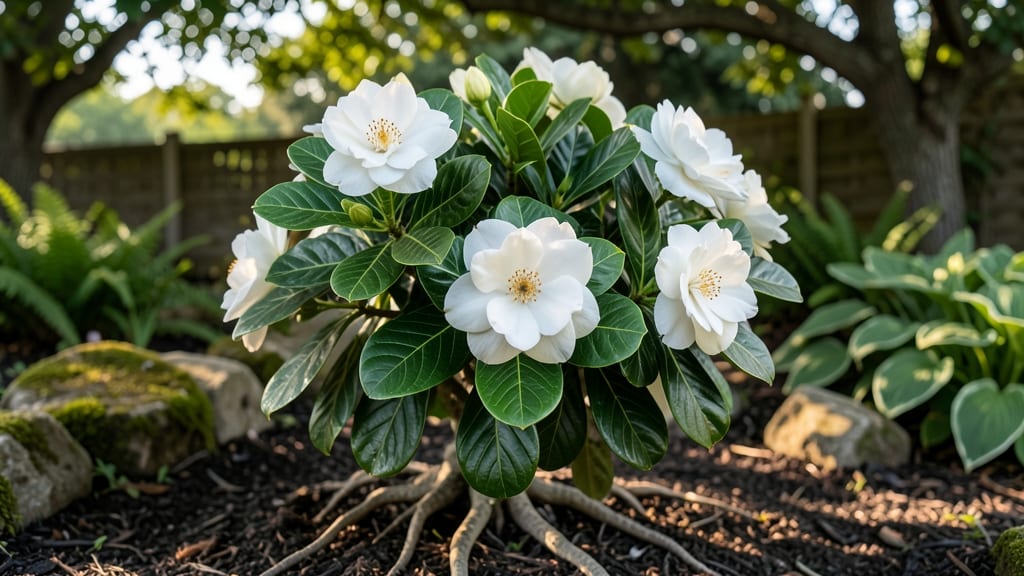
Growing a double bloom gardenia that perfumes your patio like a tropical escape is easier than you think—even in containers. 🌿 I’ve wrestled with these finicky beauties for years, and the secret to their lush, layered blooms isn’t some rare fertilizer—it’s mastering the basics of light, pruning, and patience.
One wrong move, and you’ll end up with sparse, single blooms. But get it right, and you’ll have a plant that smells like a summer wedding and flowers year after year.
Their love of bright, indirect light and well-draining soil makes them surprisingly adaptable to pots, but the real magic happens in late winter when you prune back the old growth. I’ve seen gardeners skip this step and wonder why their plants only put out a handful of blooms.
With the right timing and a sharp pair of shears, you’ll trigger a cascade of double-layered blossoms that last for weeks. The key? Prune just after the last frost, but before new growth starts—this forces the plant to focus its energy on flowers, not leaves.
What you’ll end up with is a fragrant centerpiece that draws hummingbirds and neighbors alike. The blooms stay vibrant for 3-4 weeks with proper care, and the scent? Unmatched—like a mix of jasmine and orange blossoms. The trade-off?
Gardenias demand consistency: too much sun scorches the leaves, too little water causes buds to drop, and over-pruning stunts blooms. But once you nail the routine, these plants become the showstopper of any patio or balcony.
Whether you’re growing in a 5-gallon container or a hanging basket, the principles stay the same. The biggest mistake I see? Using regular garden soil—gardenias hate soggy roots.
Mix in perlite or orchid bark to keep things airy, and you’re golden. Ready to transform your space into a fragrant paradise? Let’s get those blooms doubling up.
📚 In This Guide
- What you need
- Instructions
- Tips and common mistakes
- Wrapping up and next steps
What you need
- ● Double Bloom Gardenia Plant: 1 healthy, reblooming cultivar (e.g., Gardenia jasminoides ‘Double Bloom’ or ‘Kleim’s Hardy’). Check for firm stems, glossy leaves, and buds!
- ● Well-Draining Potting Mix: 1 bag (5–10 gallons) of acidic, organic mix (pH 5.0–6.5). Blend 50% peat moss or coconut coir, 30% perlite/pumice, and 20% pine bark fines.
- ● Container: 1 pot (12–18 inches wide) with drainage holes. Terracotta or ceramic (for breathability) or plastic with holes drilled.
- ● Slow-Release Fertilizer: 1 lb of acid-loving plant fertilizer (e.g., 8-3-9 or 16-4-8 with micronutrients). Look for iron, magnesium, and sulfur!
- ● Mulch: 1–2 inches of orchid bark or pine needles to retain moisture and acidity.
- ● Pruning Shears: 1 pair of sterilized, sharp shears (for shaping and deadheading).
- ● pH Test Kit: 1 digital or liquid kit to monitor soil acidity.
- ● Spray Bottle: 1 for daily misting (gardenias love humidity!).
- ○ Humidity Dome/Tray: 1 (optional) for seedlings or low-humidity climates.
- ○ Stakes or Trellis: 1–2 (optional) to support heavy blooms.
- ● Location: Bright, indirect light (e.g., east or north-facing window, or a shaded patio). Avoid harsh afternoon sun!
- ● Temperature: Keep between 65–75°F (18–24°C) year-round. Gardenias hate drafts or cold snaps.
- ● Water: Distilled or rainwater only (tap water can harm blooms with chlorine/fluoride).
- ● Patience: Reblooming gardenias take 6–12 months to establish and flower again!
Step-by-step instructions for double bloom gardenia growing
Here's how I coax those lush, fragrant double blooms from gardenias—tested in containers over three seasons.
🌱 Step 1: Select the Right Gardenia Variety and Container
For double blooms, choose a Fortuniana hybrid like 'Kleim's Hardy' or 'Radicans'—they're bred for abundant, ruffled flowers. Avoid single-blooming varieties like 'Veitchii'. Your container must have drainage holes and be at least 12 inches wide—gardenias hate soggy roots but need room to develop strong root systems for heavy blooms.
I use unglazed terra cotta pots because they wick away excess moisture, but plastic works too if you monitor watering closely. Fill the bottom 2 inches with orchid bark mix to improve drainage. This prevents root rot, which is the #1 killer of gardenias trying to rebloom.
🌿 Step 2: Plant with Acidic Soil and Proper Light
Gardenias demand acidic soil (pH 5.0-6.5). Mix 2 parts peat moss with 1 part perlite and 1 part sand for ideal drainage. Add 1 tablespoon of sulfur per gallon of mix to maintain acidity—gardenias won't bloom well in alkaline soil. Fill the pot to 1 inch below the rim and tap gently to settle.
Place your gardenia in bright, indirect light (morning sun is best). Too much direct afternoon sun scorches leaves, while too little light leads to sparse blooms. You'll know the light is right when new leaves emerge deep green and glossy, not pale or yellowing.
💧 Step 3: Water and Feed for Continuous Blooms
Water when the top 1-2 inches of soil feel dry—gardenias need consistent moisture but won't tolerate soggy roots. I use rainwater or distilled water (tap water's minerals throw off acidity). Water at the base, avoiding leaves to prevent fungal diseases that cause brown spots and dropped buds.
Feed every 2 weeks during spring and summer with an acid-loving plant fertilizer (like 8-3-9 with iron). I mix 1 teaspoon of fertilizer into 1 gallon of water and apply it directly to the soil. Stop fertilizing in fall to let the plant rest—this encourages stronger blooms next season.
✂️ Step 4: Prune and Encourage Reblooming
After the first flush of blooms fades, prune back 1/3 of the oldest stems to encourage new growth. Use clean, sharp shears to cut just above a leaf node. This isn't about shaping—it's about redirecting energy to produce more blooms. I prune in early spring right as new growth begins.
To trigger reblooming, give your gardenia a 2-week rest period in late summer by reducing water slightly and stopping fertilizer. Then, resume regular care in early fall. The key is consistency—gardenias reward steady conditions with continuous blooms from spring through fall.
☀️ Step 5: Overwinter for Next Season's Blooms
If growing outdoors in cold zones, move your gardenia indoors before temperatures drop below 40°F. Place it near a south-facing window where it gets 6+ hours of light daily. Reduce watering to every 2-3 weeks—overwatering in winter causes root rot.
In late winter, resume regular watering and fertilizing. This is when gardenias wake up and prepare for their next bloom cycle. You'll see new growth appear in 4-6 weeks—that's your signal to increase light and start the bloom cycle again.
Tips & tricks for perfect double bloom gardenia care
These little details make all the difference between a gardenia that gives you one pretty bloom and one that keeps giving you those lush, fragrant double blooms all season long.
Container Size Matters: That 12-inch minimum width isn't just a suggestion—it's non-negotiable for double blooms. Gardenias need space to develop the strong root systems required to support those heavy, ruffled flowers. I've seen gardenias in 10-inch pots struggle to rebloom properly, while the same variety in 14-inch pots produced continuous double blooms. If you're growing multiple plants, space them at least 18 inches apart for optimal air circulation and bloom production.
Light Quality Over Quantity: Morning sun is your best friend, but afternoon sun can scorch those delicate leaves. I've learned this the hard way—afternoon sun turns leaves yellow and crispy, while morning light gives you that perfect bright green glow. If you only have afternoon sun, try placing your gardenia behind a sheer curtain to diffuse the intensity. You'll know you've got the right light when new leaves emerge deep green and glossy—not pale or yellowing.
The Acid Test: Don't skip that sulfur addition! Gardenias are finicky about pH, and even slightly alkaline soil will stunt their blooming. I test my soil every 6 months with a simple pH meter—anything above 6.0 gets a dose of sulfur. For a quick fix, you can also add a handful of pine needles to the soil mix, which naturally acidifies as they decompose. This small step makes a huge difference in bloom quantity and fragrance.
Pruning Precision: When you're pruning those 1/3 of oldest stems in Step 4, make your cuts just above a leaf node where new growth will emerge. I use clean, sharp shears and always sterilize them with rubbing alcohol between cuts to prevent disease. The goal isn't to shape your plant—it's to redirect energy to produce more blooms. After pruning, give your gardenia a good drink of water to help it recover and start growing new stems.
Pro Tips for Double Bloom Gardenia
- These little details make all the difference between a gardenia that gives you one pretty bloom and one that keeps giving you those lush, fragrant double blooms all season long.
- Container Size Matters: That 12-inch minimum width isn't just a suggestion—it's non-negotiable for double blooms.
- Light Quality Over Quantity: Morning sun is your best friend, but afternoon sun can scorch those delicate leaves.
Frequently asked questions
Got questions about your double bloom gardenia? You're not alone!
Here are answers to the most common queries from gardeners eager to unlock this fragrant plant's full potential.
How long does it take for a double bloom gardenia to rebloom after the first flush?
A healthy double bloom gardenia typically takes 8–12 weeks between blooming cycles when given proper care. The first rebloom often appears 3–4 months after planting, but consistency improves with stable conditions (light, water, and fertilizer). Patience is key—some varieties may take up to 6 months to establish their rhythm!
Why are my gardenia leaves yellowing, even though I’m watering regularly?
Yellowing leaves are usually a cry for help! Overwatering (soggy soil) or chlorosis (iron deficiency) are top culprits. Check your soil—it should be moist but not waterlogged. For chlorosis, amend soil with chelated iron or use a citrus-based fertilizer. Pro tip: Gardenias thrive in acidic soil (pH 5.0–6.5)—test yours if issues persist!
Can double bloom gardenias survive winter in containers? What’s the best way to protect them?
Yes! Move potted gardenias to a cool (40–50°F), sheltered spot like a garage or under eaves. Avoid freezing temps—wrap the pot in bubble wrap or use a thick blanket for extra insulation. Reduce watering by half and skip fertilizing until spring. Bonus: Prune lightly in early spring to encourage fresh growth!
Are there non-fragrant gardenia varieties that still produce double blooms?
If you love the double bloom look but not the strong scent, try ‘Radicans’ or ‘Kleim’s Hardy’—both produce lush, repeat blooms with milder fragrances. ‘Veitchii’ is another great pick, offering double flowers and better cold tolerance than classic gardenias. Just note: Fragrance often correlates with bloom intensity!
My gardenia has white powdery spots—is it diseased, and how do I fix it?
That’s likely powdery mildew, a fungal foe of humid climates. Act fast: Spray leaves with a baking soda mix (1 tsp baking soda + 1 quart water + a drop of dish soap) or use neem oil. Improve airflow by pruning dense foliage and avoid overhead watering. For severe cases, fungicide (like copper-based spray) works—but prevention ( good spacing, sunlight) is best!
Wrapping up and next steps
Growing a double bloom gardenia in containers is a rewarding journey filled with fragrant beauty and lush greenery. With the right care—like proper soil, sunlight, and consistent moisture—you’ll unlock its magical reblooming potential.
Whether you’re a beginner or a seasoned gardener, every effort you put in will bloom into stunning results!
Ready to take the next step? Start by selecting your container and soil mix today, and watch your gardenia transform into a fragrant masterpiece! 🌸✨