
Blooming
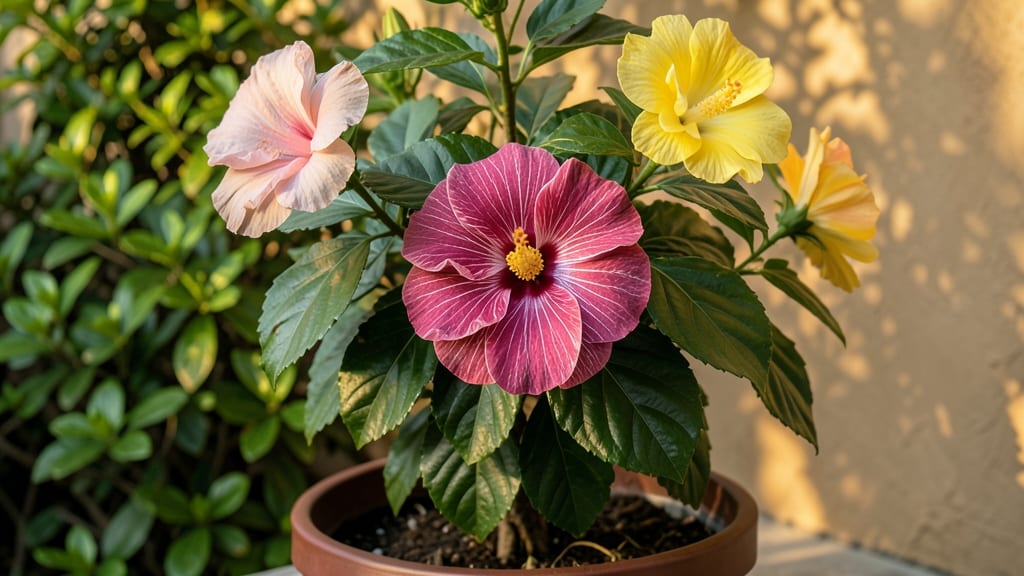
A double bloom hibiscus plant transforms your garden into a purple paradise with minimal effort. 🌸 The secret lies in its soil, sunlight, and a few strategic cuts—no heavy pruning required.
I’ve grown these showstoppers for years, and they reward patience with bold, layered blooms that last from spring through frost. Start with well-draining soil (think 60% potting mix, 30% perlite, 10% compost) and full sun (6+ hours daily).
Water deeply when the top 2 inches dry out—overwatering kills these thirsty beauties faster than underwatering. The real magic happens in late winter: prune only to shape, never to cut back hard. This encourages multiple buds per stem, doubling (or tripling!) your blooms.
By midsummer, you’ll have vibrant purple spikes covering the plant, and the fragrance will draw hummingbirds like a magnet. Even in winter, with a little protection (a frost blanket or indoor move), they’ll surprise you with fresh growth.
The key? Less pruning, more blooms—nature does the heavy lifting once you set it up right. Perfect for containers, borders, or as a focal point—these hibiscus thrive in zones 5-11 with the right care.
Troubleshoot yellow leaves (too much water) or sparse blooms (not enough sun) by adjusting your routine. Trust me, once you see that first double bloom, you’ll never go back to single-flower varieties.
📚 In This Guide
- What you need
- Instructions
- Tips and common mistakes
- Wrapping up and next steps
What you need
- ● Double Bloom Hibiscus Plant: 1 healthy nursery-grown plant (or seeds/cuttings if starting from scratch)
- ● Pro tip: Look for varieties like Hibiscus rosa-sinensis ‘Double Bloom’ or ‘Pink Double’ for extra fluff!
- ● Potting Mix: 5–10 gallons of well-draining, acidic potting mix (pH 6.0–6.5)
- ○ Optional: Add perlite or sand (20–30%) for aeration
- ● Container or Garden Bed: Container: 15–20 gallon pot with drainage holes (for indoor/patio growing)
- ● Garden Bed: Full sun spot (6+ hours/day) with loose, fertile soil
- ● Pruning Shears: Sharp, sterilized shears (for minimal pruning)
- ● Fertilizer: Balanced 10-10-10 or 20-20-20 fertilizer (apply every 4–6 weeks)
- ○ Optional: Slow-release granules for convenience
- ● Mulch: Organic mulch (e.g., pine bark) to retain moisture
- ● Watering Can or Hose: With a gentle spray nozzle
- ○ Support Stake (Optional): For taller varieties (3–4 ft stakes)
- ● Climate: USDA Zones 9–11 (or indoor/container growing in cooler zones)
- ● Sunlight: Full sun (6+ hours daily)
- ● Watering Schedule: Keep soil consistently moist (not soggy!)
- ● Patience: Hibiscus thrives with minimal pruning—just trim dead blooms!
How to grow a double bloom hibiscus with vibrant purple flowers year-round
Here's the method I've used to coax my hibiscus into nonstop blooming—no deadheading required.
☀️ Step 1: Select the Right Location for Maximum Light
Double bloom hibiscus thrives in full sun—at least 6-8 hours daily. I position mine against a south-facing wall where they receive unfiltered morning light and gentle afternoon shade during peak summer heat. If your climate exceeds 90°F, afternoon shade prevents leaf scorch while maintaining bloom triggers.
Watch for leaves turning pale or crisping at edges—that's your signal to move the plant 3-4 feet closer to shade. In containers, rotate the pot quarter turn weekly so all sides receive even light exposure. Uneven light causes lopsided growth and fewer blooms.
💧 Step 2: Water Deeply When Soil Dries to Touch
Hibiscus roots need consistent moisture but hate soggy soil. I water when the top 2-3 inches of soil feel dry to touch—about 2-3 times weekly in summer, less in winter. The key is deep watering: soak until water runs from drainage holes, then empty the saucer to prevent root rot. Overwatering causes yellow leaves and dropped buds.
Here's the thing—hibiscus blooms best when slightly thirsty. If flowers wilt by midday, increase water slightly, but if they droop only in evening heat, it's normal. The plant signals its needs through leaf color: dark green means perfect moisture; gray-green means underwatering.
✂️ Step 3: Prune Strategically for Year-Round Blooms
Minimal pruning is the secret. I cut back 1/3 of the oldest stems in early spring to encourage new growth, then trim just the tips of leggy branches after each bloom cycle. Never remove more than 25% of foliage at once—this shocks the plant and stops flowering.
Look for stems with 3-4 sets of leaves—this is where new blooms form. Prune just above a leaf node at a 45-degree angle to maximize surface area for new growth. Avoid cutting into old wood (brown stems)—new blooms only emerge from current season's growth.
🌿 Step 4: Feed with High-Potassium Fertilizer Monthly
Use a balanced 10-10-10 fertilizer in spring and summer, then switch to 5-10-10 in fall to boost bloom production. I apply fertilizer when soil is moist—never on dry soil—to prevent root burn. Water thoroughly after each application to distribute nutrients evenly.
Here's what I've learned: hibiscus responds dramatically to feeding timing. Start fertilizing when you see new growth in spring, then continue every 4-6 weeks until late summer. Stop completely in fall to let the plant harden off for winter. Yellowing leaves after feeding? You're overdoing it—flush the soil with water immediately.
🪴 Step 5: Protect from Cold Snaps and Pests
Double bloom hibiscus tolerates 20-25°F but needs winter protection below that. I wrap the pot in burlap and move it to a sheltered porch when temps drop below 30°F. In containers, mulch heavily with 2-3 inches of straw to insulate roots.
Watch for aphids on new growth—they suck sap and distort leaves. I treat with a neem oil spray applied at dusk when bees aren't active. For spider mites, increase humidity by misting leaves daily until the infestation clears. Brown edges on leaves usually mean low humidity—group plants together to create a microclimate.
Tips & tricks for perfect double bloom hibiscus care
Real talk: the difference between a struggling hibiscus and one bursting with vibrant purple blooms often comes down to these subtle adjustments I've perfected over years of trial and error.
Light Optimization: That 6-8 hours of sun requirement isn't just about duration—it's about quality. I've found the sweet spot is morning sun (when UVB rays are strongest) plus afternoon shade in hot climates. For container growers, use a light meter app to verify your spot gets at least 5,000 foot-candles of light. If your hibiscus starts losing leaves, it's either too much direct sun or not enough light—both extremes cause the same symptoms but require opposite fixes.
Pruning Precision: When you're trimming those leggy branches in Step 3, focus on making clean cuts just above a leaf node where three leaves meet. I use sharp bypass pruners sterilized with rubbing alcohol between cuts to prevent disease transmission. The 45-degree angle isn't just aesthetic—it creates more surface area for new growth to emerge. Pro tip: if you accidentally cut into old wood (brown stems), don't panic—just make a new cut above that point and the plant will compensate.
Fertilizer Timing: The 4-6 week feeding schedule works because hibiscus blooms respond to consistent nutrient availability. I've learned to split my fertilizer applications into two parts: half in the morning and half in the evening. This mimics natural rainfall patterns and prevents nutrient burn. The switch to 5-10-10 in fall is crucial—it's not about more potassium, but about reducing nitrogen to signal the plant it's time to prepare for dormancy. Yellowing leaves after feeding? That's your plant screaming "too much!"—flush immediately with water.
Winter Survival: For the 20-25°F tolerance range, I've developed a layered protection system. First, wrap the pot in burlap (not plastic—it traps moisture). Then add a layer of bubble wrap around the outside. Finally, place the plant in a sheltered location where it gets some light but avoids wind. In containers, the 2-3 inches of straw mulch acts like a thermal blanket—it insulates roots while allowing moisture to escape. I've had hibiscus survive down to 15°F with this method, though I don't recommend pushing those limits.
Pro Tips for Double Bloom Hibiscus Plant
- Real talk: the difference between a struggling hibiscus and one bursting with vibrant purple blooms often comes down to these subtle adjustments I've perfected over years of trial and error.
- Light Optimization: That 6-8 hours of sun requirement isn't just about duration—it's about quality.
- Pruning Precision: When you're trimming those leggy branches in Step 3, focus on making clean cuts just above a leaf node where three leaves meet.
Frequently asked questions
Got questions about keeping your double bloom hibiscus thriving? Here are some of the most common ones—plus quick, expert-backed answers to keep those lush purple blooms coming year-round!
How often should I prune my double bloom hibiscus for maximum blooms?
Prune lightly after flowering (spring or early summer) to encourage new growth. For a year-round bloom strategy, trim back by ⅓ every 3–4 months—but avoid heavy pruning in winter. Focus on shaping and removing dead wood to redirect energy to double blooms!
Can double bloom hibiscus survive winter indoors? What’s the best setup?
Yes! Move potted hibiscus indoors before temps drop below 50°F (10°C). Place near a south-facing window (6+ hours of light daily) or supplement with a grow light. Keep humidity high (use a pebble tray) and avoid drafts. No blooms in winter? It’s normal—focus on healthy growth for spring reblooms!
Why aren’t my double bloom hibiscus flowers opening fully?
Underdeveloped blooms often signal low light, overwatering, or nutrient stress. Check these fixes:
- Move to bright, indirect light (no harsh sun).
- Water when the top 1–2 inches of soil dry out.
- Fertilize with low-nitrogen, high-phosphorus bloom booster every 4–6 weeks.
What’s the easiest alternative to double bloom hibiscus for low-maintenance color?
Try these hardy, low-prune bloomers:
Plant
Bloom Color
Care Level
Mandevilla
Pink, red, white
(Needs sun, drought-tolerant)
Plumeria
Yellow, pink, white
(Drought-resistant, fragrant!)
Bougainvillea
Magenta, orange, purple
(Thrives on neglect, loves heat)
How do I prevent aphids or spider mites from ruining my hibiscus blooms?
Start with prevention:
- Spray leaves weekly with neem oil (1 tsp per quart of water).
- Wipe leaves with a soapy water cloth (1 tsp mild soap per gallon) to remove pests.
- Encourage beneficial insects like ladybugs by planting marigolds nearby.
Wrapping up and next steps
Growing a double bloom hibiscus is a rewarding journey that brings vibrant purple blooms to your garden with minimal effort! With the right soil, sunlight, and a touch of patience, you can enjoy stunning year-round flowers while keeping pruning simple.
Whether you're a seasoned gardener or just starting, this hardy plant makes a beautiful and low-maintenance addition to any outdoor space.
Ready to transform your garden? Start by selecting your favorite variety—then grab your tools and get planting! 🌸 With these tips, you’ll be admiring lush, double blooms in no time.