
Blooming
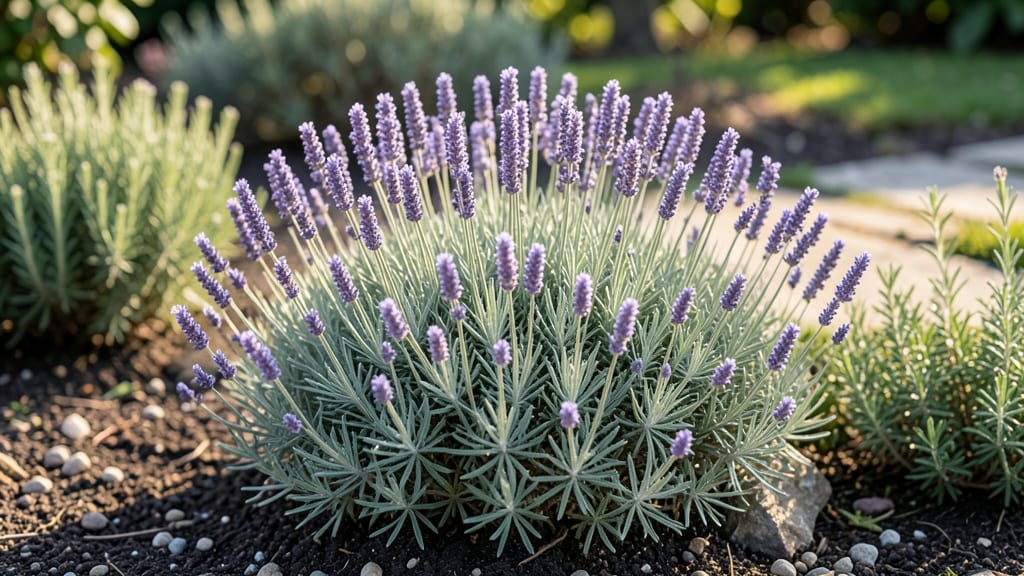
English lavender blooms in mid-to-late summer 🌸, but the exact timing depends on your USDA zone and how you care for it.
If you’ve ever wondered why your English lavender blooms inconsistently—or when to expect that second flush of fragrant purple—timing is everything. The secret lies in understanding USDA zone-specific bloom cycles, which can transform your lavender’s productivity and fragrance.
For gardeners in Zone 6a, like me, the first flush arrives around early July, while warmer zones like 8 or 9 may see blooms as early as June.
Pruning after the first bloom and ensuring full sun exposure are the key to coaxing that second flush in late summer or early fall.
Below, I’ll break down the exact bloom windows by zone, share pruning tricks to extend your lavender’s season, and reveal the one mistake most gardeners make that cuts blooms short.
When does English lavender bloom? USDA zone chart for first flower flush
Timing your English lavender’s first bloom means understanding USDA hardiness zones and regional climate quirks. In zones 7-9, you’ll typically see those fragrant purple spikes between mid-June and August, while cooler zones like 5-6 might delay blooms until July or even early September.
The key? Planting at the right time to maximize daylight exposure before winter dormancy kicks in.
English lavender is a perennial that thrives on cold winters to trigger spring growth. If you’re in zones 3-4, expect blooms to arrive later—often late July or August—because the plant needs time to recover from harsh winters.
Meanwhile, gardeners in zones 10-11 might see blooms stretch into September or October, thanks to milder winters and longer growing seasons.
Here’s the zone-specific breakdown you need to plan for that first flush of fragrant purple blooms, including frost-sensitive areas where timing is critical:
Adjust your planting dates based on your zone to ensure lavender gets enough daylight hours before winter. For example, in zone 5, planting in late April gives your lavender a head start, while zone 9 gardeners can plant in fall to avoid summer heat stress.
The goal? Give your lavender 6+ hours of sun daily to trigger robust flowering.
Climate plays a huge role—coastal zones (like 8b-9a) often see earlier blooms due to milder winters, while inland zones (like 6a-7a) may experience delays from late spring frosts.
If you’re in a frost-prone area, consider using row covers or planting near south-facing walls to protect young plants.
For optimal first blooms, pair your USDA zone timing with well-draining soil and minimal fertilization (too much nitrogen = fewer flowers!). In zones 3-6, a light spring feed with low-nitrogen fertilizer (like 5-10-10) encourages blooms without excessive leaf growth.
Skip fertilizing in zones 7-11—these areas often have rich soil naturally.
Pro tip: In zones 5-9, deadhead spent blooms in early summer to encourage a second flush by late summer. This works best if your lavender gets consistent sunlight and moderate watering (deep soaks every 7-10 days).
Overwatering is the #1 killer of lavender blooms—always let the soil dry between waterings!
If your lavender isn’t blooming by the expected window, check for these common issues: shady spots, overcrowded plants, or poor drainage. Move it to full sun and amend the soil with sand or gravel if needed.
Patience pays off—mature lavender plants (3+ years old) bloom more reliably than young ones.
🌸
How to maximize your English lavender’s second bloom: pruning & care tips
English lavender thrives on predictable care, but many gardeners miss the second bloom flush because they don’t time their pruning correctly.
The key is understanding your plant’s natural cycle—most varieties produce their first flush in mid-to-late summer, but with the right approach, you can coax a second round of fragrant blooms by late summer or early fall.
The secret lies in balancing pruning, watering, and sunlight after the first flowers fade.
First, let’s address the biggest myth: deadheading won’t guarantee a second bloom. While removing spent flowers can encourage new growth, English lavender’s second flush depends more on post-bloom pruning timing and root health.
Many gardeners prune too late or too aggressively, stressing the plant just as it’s preparing for dormancy. The ideal window is 4-6 weeks after the first bloom, when about one-third of the stems have finished flowering.
⚠️ WARNING: Pruning Too Late Can Kill Your Second Bloom
Signs you’ve pruned too late:
- New growth appears soft and pale (not woody)
- Stems don’t harden before winter
- Plant shows yellowing leaves in early fall
To trigger that second flush, focus on three critical factors: light exposure, soil moisture, and nutrient balance. English lavender needs at least 6 hours of direct sunlight daily, but in high-heat zones (8-11), afternoon shade can prevent stress.
If your lavender is in a container, move it to a slightly shadier spot in August to avoid scorching. Pair this with deep watering every 10-14 days—lavender is drought-tolerant, but consistent moisture (not soggy soil) encourages root growth for next year’s blooms.
Soil amendments play a surprising role. English lavender prefers alkaline, well-draining soil with a pH of 6.5-7.5. If your soil is too acidic, add crushed limestone or wood ash in early spring.
Avoid high-nitrogen fertilizers—they promote leafy growth at the expense of flowers. Instead, use a balanced 5-10-10 fertilizer in early spring and a low-phosphorus blend in early fall to support root development for winter.
For containers or urban gardens, mulch with gravel or coarse sand (never organic mulch) to improve drainage. If your lavender is in USDA zone 4 or colder, protect it with burlap or frost cloth in late fall to prevent winter dieback, which can reduce next year’s blooms.
In warmer zones (9-11), a light winter mulch of straw helps retain moisture during dry spells.
Finally, patience is key. Some lavender varieties (like ‘Hidcote’ or ‘Munstead’) are more likely to rebloom than others.
If you’ve followed these steps but still see no second flush, your plant may need rejuvenation pruning in early spring: cut back one-third of the oldest stems to encourage new growth.
With the right care, your English lavender can reward you with two stunning bloom cycles per year—and that intoxicating fragrance all summer long. 🌸