
Blooming
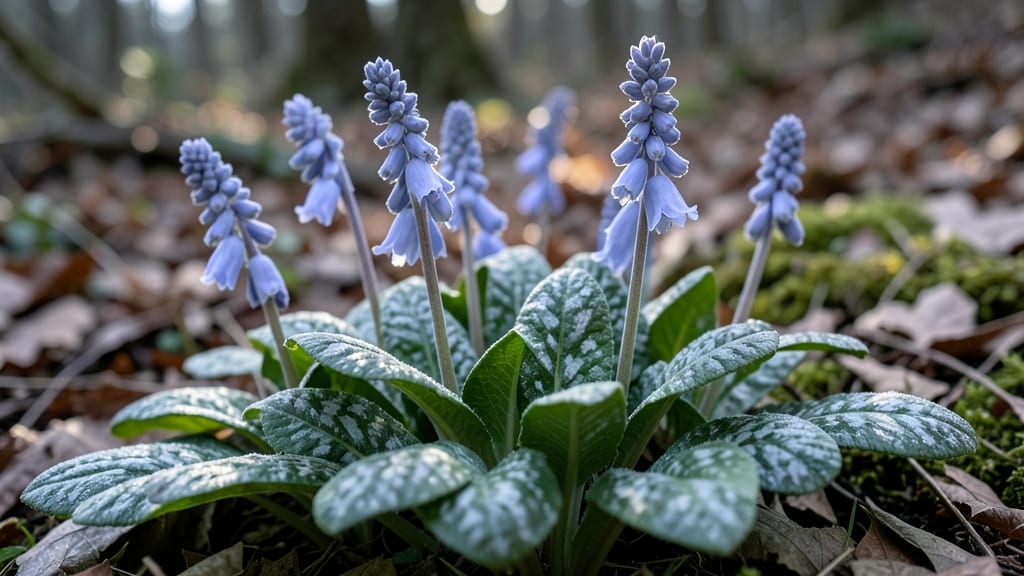
Spring’s first blooms signal the garden’s awakening. Knowing which plants emerge earliest helps you plan for vibrant color waves—here’s when to expect each type’s debut, ranked by timing and impact.
Crocus Flowers: Harbingers of Early Spring
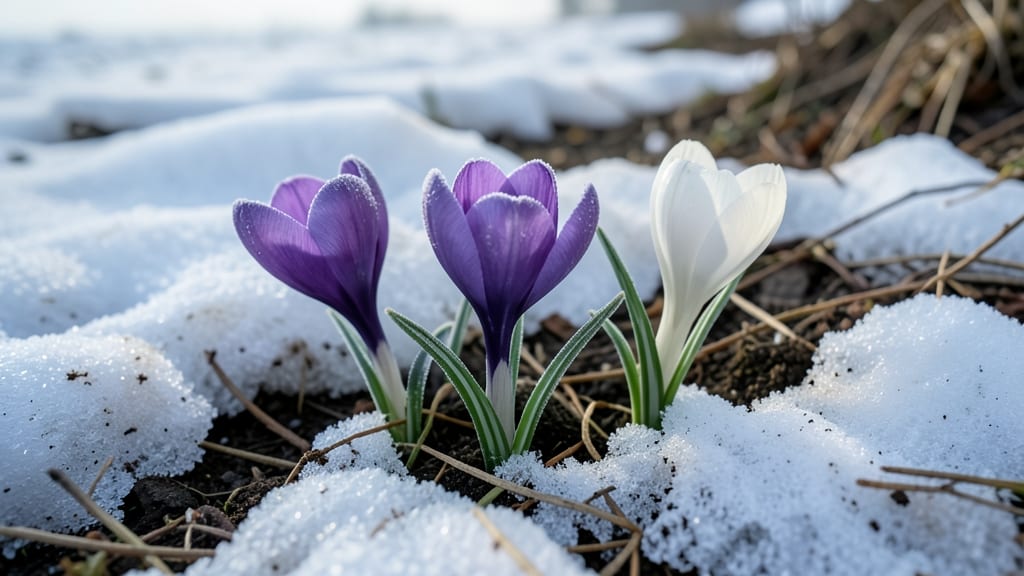
When winter still clings to your landscape, crocus flowers punch through snow like tiny purple and white flags of victory. These first bloomers of spring often emerge in late winter—sometimes even while snow melts—making them nature’s most resilient harbingers of warmer days ahead.
Plant them in full sun to partial shade and well-draining soil, and they’ll reward you with blooms that feed early pollinators like bees before most other flowers even think about waking up. Their dormant-season resilience means they thrive in USDA zones 3-8, from frigid northern climates to milder southern winters.
Perfect for cold-climate gardeners or anyone eager to extend their blooming season, crocuses are also low-maintenance—just plant the corms in fall, and they’ll return year after year. 🌱
Snowdrops: Delicate Winter Escape Artists
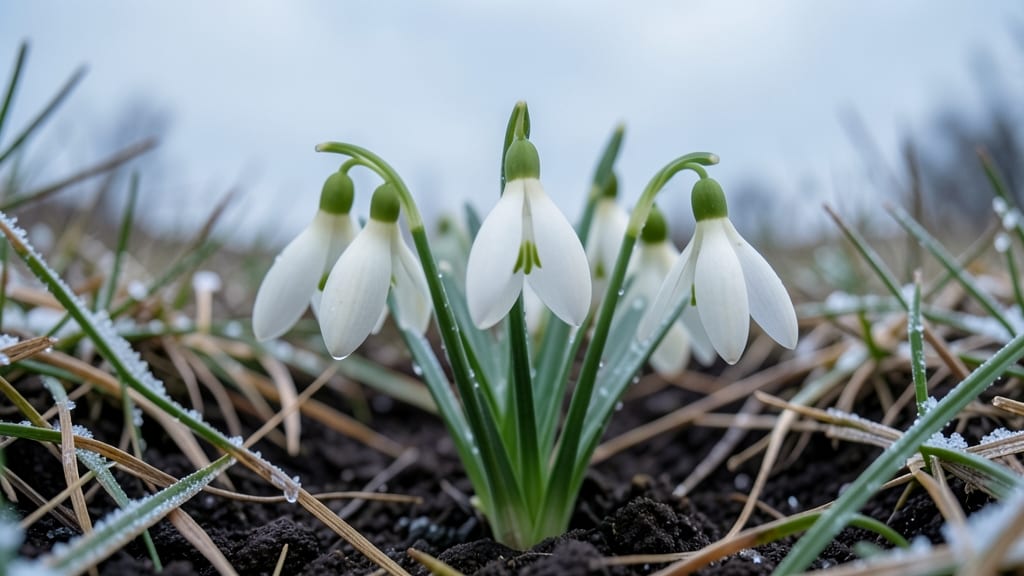
While crocuses announce spring’s arrival through snow, snowdrops quietly steal the show by blooming before most other flowers even think about waking up. These delicate white (or occasionally yellow) bells appear as early as late winter, often while snow still lingers on the ground.
Unlike sun-loving crocuses, snowdrops thrive in deep shade—making them ideal for planting under trees, along fences, or in woodland gardens where light is scarce. They tolerate light frost and even bloom in partial snow cover, earning their name as true winter escape artists. For best results, plant bulbs in well-draining soil in fall, and watch them naturalize over time, creating lush carpets of early blooms.
Perfect for gardeners with shady spots or those who want to extend their spring color palette, snowdrops also symbolize hope and new beginnings—making them a meaningful addition to any garden. 🌿
Daffodils: Bold Yellow Announcements
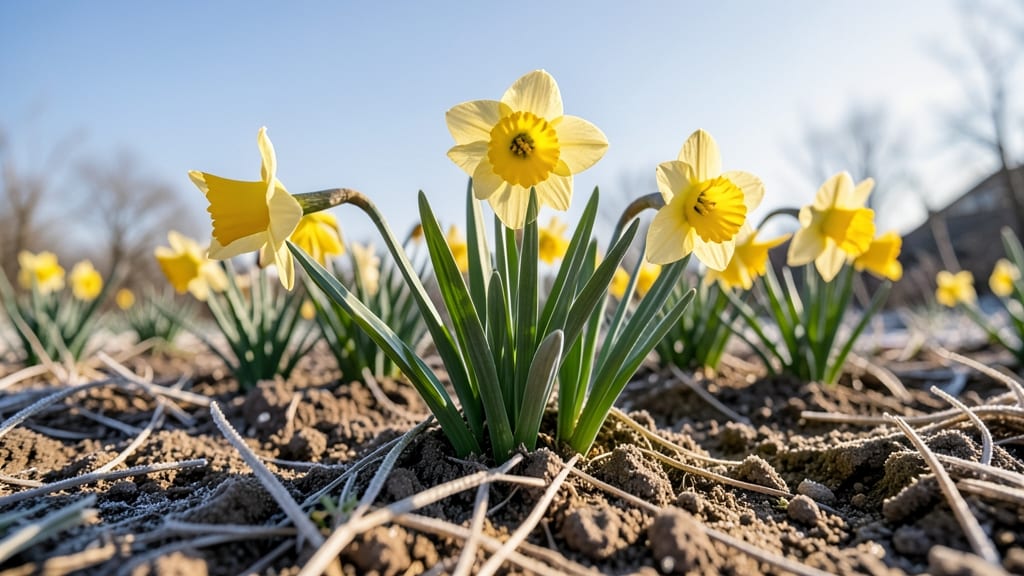
When you spot daffodils pushing through frost-kissed soil, you know spring’s official arrival is just around the corner. These bright yellow blooms are nature’s way of announcing warmer days ahead, often appearing weeks before other perennials wake up.
Plant them in full sun to partial shade for best results, and choose well-draining soil to prevent bulb rot. Daffodils are deer-resistant and thrive in USDA zones 3-8, making them a low-maintenance choice for almost any garden. Their cheerful faces also attract early pollinators like bees and butterflies, giving your garden an ecological boost.
Perfect for beginners or busy gardeners, daffodils deliver instant color with minimal effort—just plant the bulbs in fall and enjoy the show next spring. 🌻
Hepatica: Tiny Purple Jewels
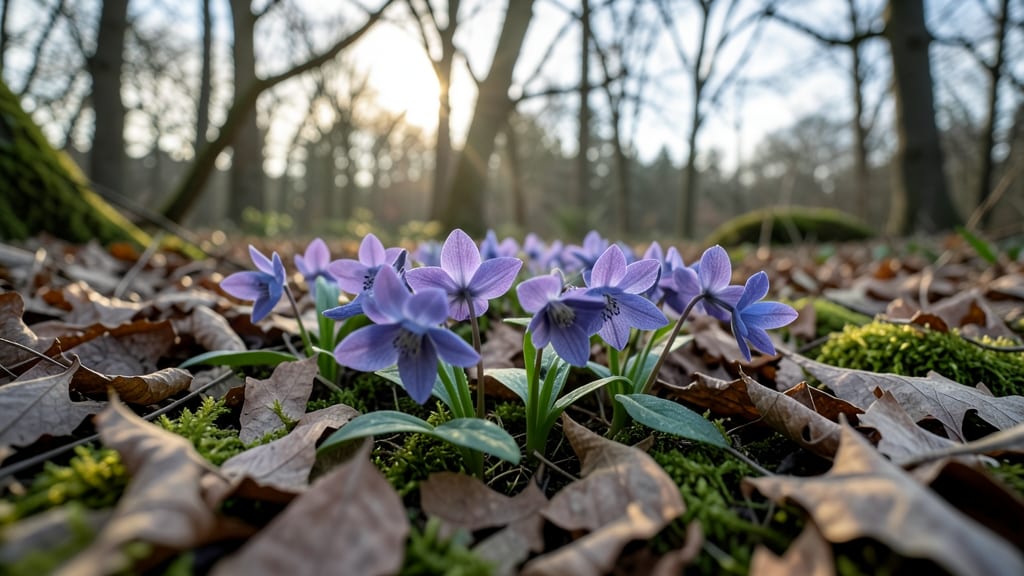
If you’ve ever wandered a forest floor in early spring, you’ve likely spotted hepatica—those enchanting purple or blue blooms peeking through leaf litter before trees even leaf out. This woodland understory gem is one of nature’s most patient performers, delivering color when few other plants dare to bloom.
Unlike sun-loving spring stars like daffodils, hepatica thrives in deep shade and even tolerates dry conditions once established. Its rounded, three-petal flowers (often in lavender, pink, or white) appear in late winter to early spring, often before its basal leaves unfurl—a botanical quirk that makes it feel like magic. Plant the corms in fall in moist, well-draining soil under trees or along north-facing walls, and you’ll have a carpet of early color that returns year after year.
Perfect for shade gardeners or those with difficult growing spots, hepatica also attracts early pollinators like bees and butterflies. Its long bloom time (up to 6 weeks) gives you a head start on spring color that’s both delicate and bold. 💚
Bleeding Heart: Heart-Shaped Elegance
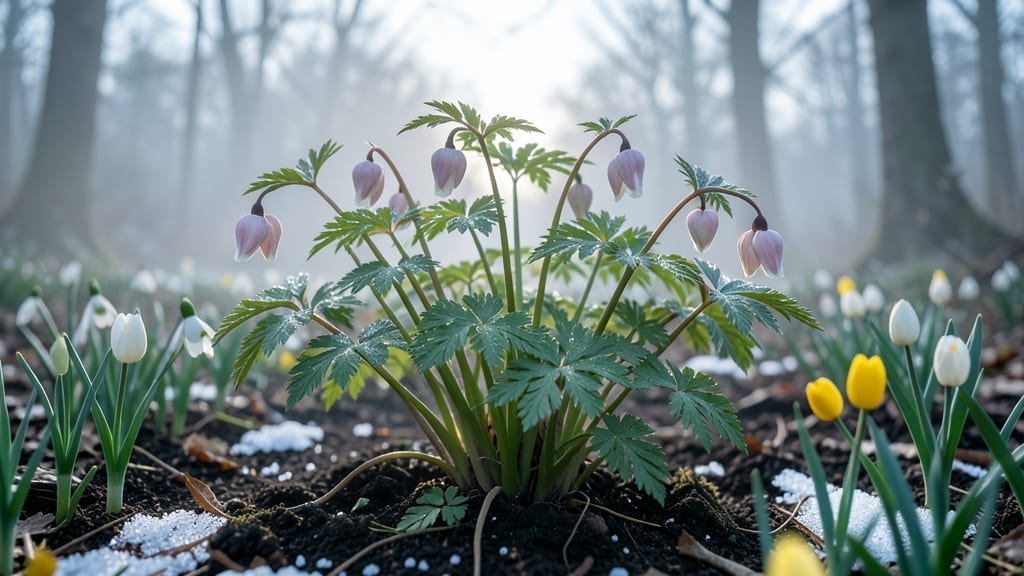
While other spring bloomers steal the spotlight, bleeding heart (Dicentra spectabilis) quietly sends up its lacy foliage as early as late winter—often while snowdrops and crocuses are still in full bloom. This shade-loving perennial is a secret weapon for gardeners who want to extend their early-season interest beyond just flowers.
Its signature heart-shaped pink blooms arrive in late spring, dangling like delicate chandeliers above the foliage, but the real magic happens earlier. The fern-like leaves unfurl first, creating a textured green backdrop that frames later blooms. Plant it in partial to full shade with moist, well-draining soil, and it’ll thrive for years with minimal care—just divide clumps every 3-4 years to keep it vigorous.
Perfect for woodland gardens, shaded borders, or understory plantings, bleeding heart adds vertical drama without competing with sun-loving stars. Its two-phase beauty—foliage first, flowers later—makes it a standout for gardeners who love layered seasonal interest. 🌷
Pansies: Colorful Winter Survivors
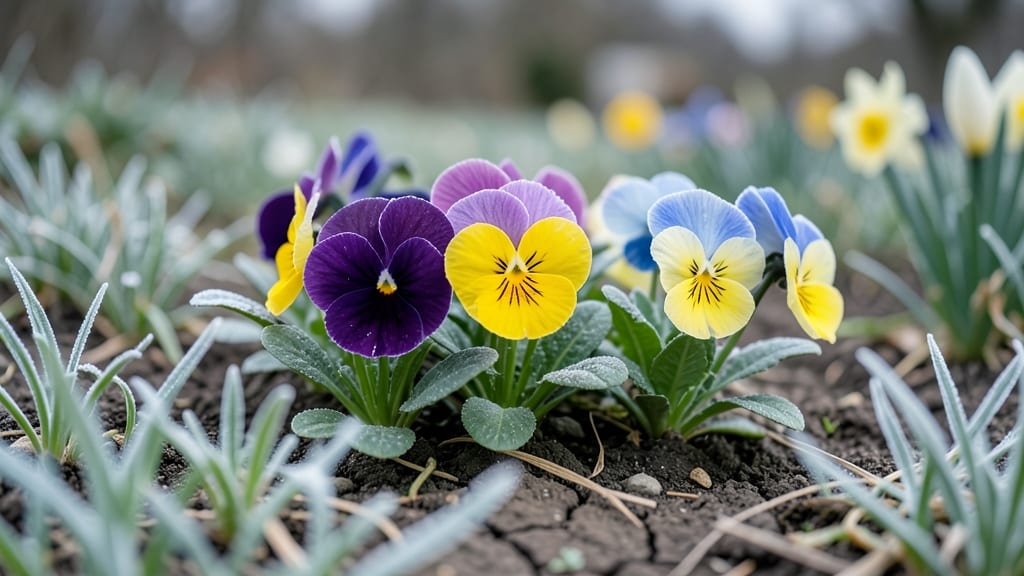
While crocuses and daffodils steal the show as early spring’s first bloomers, pansies quietly steal the spotlight for their year-round resilience—especially in cooler climates. These cheerful annuals don’t just survive winter; they thrive in it, bursting into bold, multicolored blooms as soon as temperatures dip into the 40s°F (4°C). Unlike many spring flowers, pansies tolerate light frost and even perform well in shade gardens, making them the unsung heroes of early-season containers and window boxes.
For container gardeners or urban dwellers with limited space, pansies are a game-changer. Their compact size (6–12 inches tall) and varied hues—from deep purple to sunny yellow—let you mix and match colors for instant curb appeal. Plant them in well-draining soil and water moderately (they hate soggy roots), and you’ll enjoy blooms from late winter through spring. Bonus: Deadhead spent flowers to encourage nonstop blooming until summer heat arrives. 🌟
What sets pansies apart is their versatility—they’re perfect for beginners, shade lovers, and even pollinator-friendly gardens (though they’re not as bee-attractive as crocuses). Tuck them into pots, borders, or even winter vegetable gardens as edging for a pop of color when little else is blooming. 💚
Magnolia Trees: Early Fragrant Stars
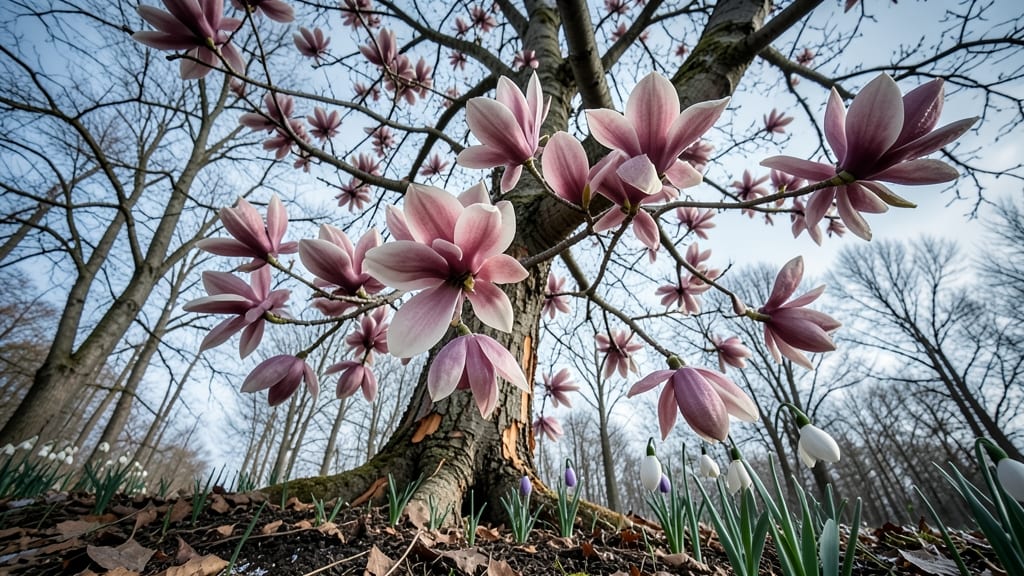
While crocuses and snowdrops announce spring’s quiet arrival, star magnolias make a dramatic entrance with their large, fragrant blooms that appear before most trees even think about leafing out. These deciduous shrubs or small trees burst into color in late winter to early spring, often when temperatures hover between 30-50°F, making them one of the first showstopping sights of the season.
Plant them in full sun to partial shade with well-draining soil, and they’ll reward you with 6-inch-wide flowers that perfume the air with a sweet, citrusy scent. Unlike many early bloomers, star magnolias are drought-tolerant once established, making them ideal for urban landscapes where water conservation matters. Their glossy, evergreen-like foliage also adds year-round interest, while their arching branches create natural focal points in any garden.
Perfect for gardeners who want low-maintenance drama, these trees thrive in USDA zones 4-9 and grow 15-25 feet tall, making them ideal for large yards or as striking street-tree alternatives. Their fragrance alone makes them worth planting—just be prepared for neighbors to ask what’s blooming so early! 🌟
Primroses: Early Season Pollinator Magnets
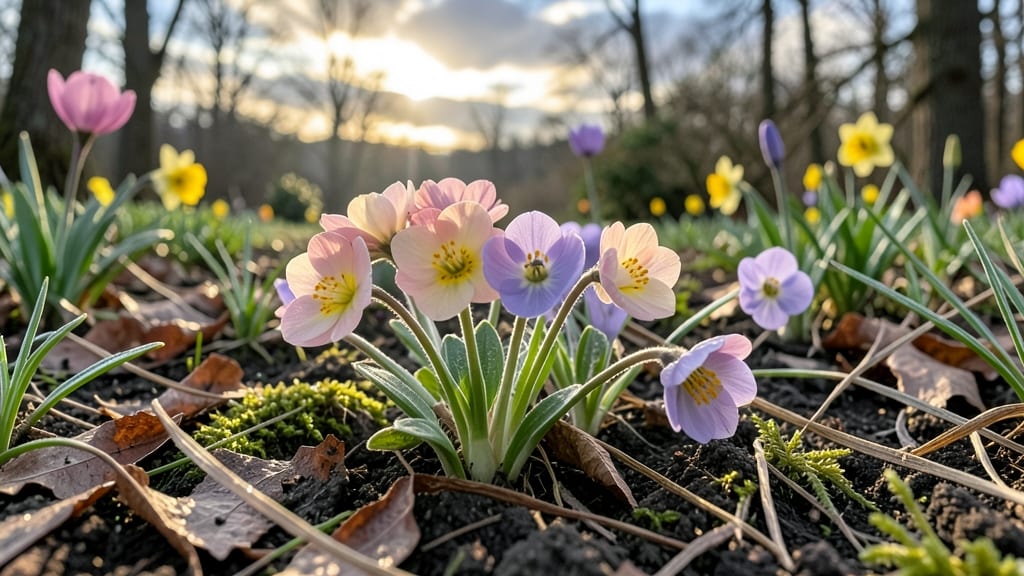
While crocuses and daffodils steal the spotlight, primroses quietly work their magic as the unsung heroes of early spring gardens. These charming perennials burst into clusters of soft pink, yellow, and purple blooms in late winter to early spring, often when other flowers are still asleep under frost.
Primroses thrive in partial shade to full sun and prefer moist, well-draining soil—ideal for rock gardens, borders, or woodland edges. Their pollinator-friendly blooms attract bees and butterflies early in the season, giving your garden an ecological boost while adding texture and color. Choose varieties like Primula vulgaris (common primrose) or Primula denticulata (cowslip primrose) for diverse heights and hues.
Perfect for gardeners with cooler climates or shaded spots, primroses bring year-round interest—even their foliage adds charm when flowers fade. Plant them in fall or early spring for a reliable splash of color that keeps pollinators buzzing. 🌷
Cherry Blossoms: Ephemeral Spring Spectacle
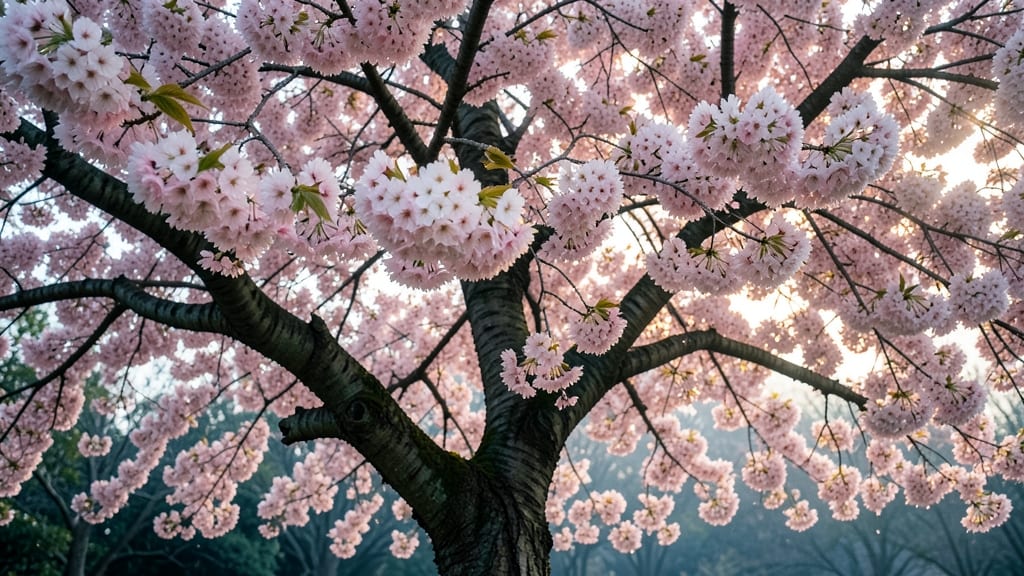
If you’ve ever dreamed of a garden that feels like stepping into a Japanese painting, cherry blossoms (Prunus serrulata) are your answer. Unlike the early bloomers that fade quickly, these trees explode into a pink or white canopy in late spring, creating a breathtaking spectacle that lasts just 7–10 days—but what a show it is!
For maximum impact, plant dwarf varieties in containers or standard trees as focal points in lawns. They thrive in full sun and well-draining soil, and while they’re not cold-hardy enough for USDA zones below 5, their dramatic blooms make them worth the effort in milder climates. Prune lightly after flowering to maintain shape, and enjoy their fleeting beauty before the leaves fill in.
Perfect for urban gardeners with space for a single statement tree or those who want to create a seasonal highlight that draws neighbors to admire your yard. Just don’t forget to plan your late-spring garden around their brief but glorious show! ✨
Lungwort: Unique Foliage and Flowers

While other early spring bloomers steal the show with vibrant flowers, lungwort (Pulmonaria) delivers a two-part spectacle: silver-spotted leaves that emerge first, followed by spiky blue flower spikes that appear in late winter to early spring. This shade-loving perennial is nature’s way of reminding you that beauty isn’t just about color—it’s also about texture and timing.
Thriving in partial to full shade, lungwort is perfect for understory plantings, woodland gardens, or even urban spaces with limited sunlight. Its moisture-loving roots make it ideal for borders near streams or as a ground cover under trees. The silver foliage fades to green as spring progresses, creating a dynamic visual shift that keeps your garden interesting long after the flowers fade.
For gardeners with shady spots that struggle or those who love unique foliage, lungwort is a game-changer. It’s also deer-resistant and thrives in USDA zones 3-8, making it a low-maintenance choice for almost any climate. 💚