
Blooming
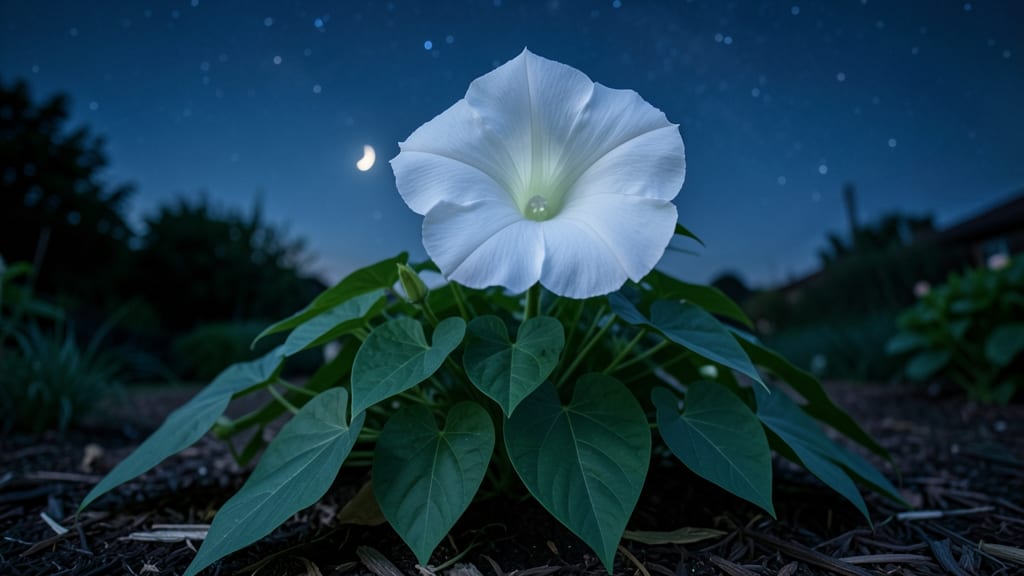
Moonlight-blooming flowers turn your garden into a twilight wonderland. ✨ These ethereal beauties—like moonflower vines and night-blooming jasmine—open only after dark, revealing delicate petals that glow under the stars.
I’ve designed entire garden spaces around them, and the effect is pure magic when evening visitors stumble upon fragrant blooms they never knew existed.
The secret lies in their natural rhythms: some flowers release sweet scents at night to attract nocturnal pollinators, while others reflect moonlight like silver coins on velvet petals. Moonflower’s large, pale blooms can reach 12 inches across, while night-blooming jasmine fills the air with intoxicating perfume.
These plants thrive in warm climates but can also be grown as annuals in cooler zones with proper care.
Imagine winding paths lined with these luminous blooms, where fireflies dance and the garden feels alive after sunset. You’ll create a romantic, otherworldly retreat that feels like stepping into a fairy tale.
Pair them with soft lighting or reflective surfaces to amplify their glow, and your evenings will never be the same.
Perfect for weddings, secret garden nooks, or simply adding drama to your backyard. The key is planting them where you’ll linger after dark—where their true beauty unfolds under the moon’s watchful eye.
📚 In This Guide
- What you need
- Instructions
- Tips and common mistakes
- Wrapping up and next steps
What you need
- ● Moonlight-loving flower seeds or bulbs: 5–10 Moonflower (Ipomoea alba) seeds (fast-growing, vining annual)
- ● 3–5 Night-Blooming Jasmine (Cestrum nocturnum) plants (shrub, fragrant blooms)
- ● 10–15 Evening Primrose (Oenothera biennis) seeds (bi-color varieties for drama)
- ● 2–3 Queen of the Night (Selenicereus grandiflorus) cactus cuttings (exotic, rare blooms)
- ● Soil: 1–2 bags of well-draining, slightly acidic potting mix (pH 6.0–6.5) or garden soil amended with compost.
- ● Containers or garden beds: Medium-sized pots (10–12 inches deep) for vining plants like moonflower
- ● Large planters (18+ inches) for jasmine or queen of the night (if potted)
- ● Garden space with 6+ hours of indirect sunlight daily (partial shade for tropical varieties).
- ● Hand trowel (for planting seeds/bulbs)
- ● Garden gloves (to protect hands from thorns or soil)
- ● Watering can or hose with a gentle spray nozzle (moonflowers need consistent moisture)
- ● Trellis or stakes (for vining plants like moonflower; 6–8 ft tall)
- ● Slow-release fertilizer (balanced 10-10-10 or organic options like fish emulsion)
- ● Mulch (straw or shredded bark to retain moisture and suppress weeds)
- ● Solar-powered garden lights (to highlight blooms at night)
- ● Wind chimes or soft ambient lighting (to enhance the nocturnal ambiance)
- ● Fragrance boosters: Citrus peels or lavender sprigs tucked into soil (enhances scent)
- ● Moon calendar (to track planting and blooming cycles for optimal results)
How to create a moonlit flower garden that blooms at night
Here’s how to transform your garden into a magical nighttime display—no blacklights or tricks needed.
🌱 Step 1: Select Nocturnal or Moon-Responsive Flowers
Start with flowers that naturally thrive in low light or open their petals after sunset. Night-blooming jasmine (Cestrum nocturnum), evening primrose (Oenothera biennis), and moonflower (Ipomoea alba) are classic choices—they release their fragrance as the sun sets. I also include white or pale varieties of day-bloomers like gardenias or lilies, which reflect moonlight beautifully.
Check your local climate zone—some flowers, like the desert marigold (Baileya multiradiata), only bloom at night in their native arid environments but adapt well to Mediterranean climates. If you’re in a humid zone, opt for moonflower or night-scented stock (Matthiola longipetala).
☀️ Step 2: Position for Maximum Moonlight Exposure
Place your moonlit flowers where they’ll catch the brightest moonlight—typically south-facing in the Northern Hemisphere or north-facing in the Southern Hemisphere. Avoid deep shade from trees or structures, even at night. I like to group them near a reflective surface like a pond or light-colored wall to amplify the glow.
Test your garden’s moonlight hotspots by observing where shadows fall during a full moon. The area with the most direct moonlight is where your stars (flowers) will shine brightest. If your garden lacks natural moonlight, supplement with a 100-watt LED floodlight on a timer for 2–3 hours after sunset.
💧 Step 3: Adjust Watering for Nighttime Bloomers
Most night-blooming flowers need even moisture but hate soggy roots. Water deeply in the early evening (around 6–8 PM) so the soil is damp but not saturated by nightfall. Overwatering triggers fungal diseases like powdery mildew, which thrives in humid nighttime conditions.
I use drip irrigation on a timer set to run for 10–15 minutes after sunset. This mimics natural rainfall without wetting the foliage, which helps prevent mildew. Mulch with 2–3 inches of organic mulch (like shredded bark) to retain moisture and regulate soil temperature—critical for night-blooming species.
✂️ Step 4: Prune for Longer Nighttime Blooms
Deadhead spent blooms immediately after they fade in the morning to encourage new nighttime flowers. For moonflower vines, pinch back leggy growth to focus energy on flowering. I also trim any foliage blocking moonlight from reaching the blooms—think of it like arranging a stage for your garden’s nightly performance.
Fertilize lightly with a balanced, slow-release fertilizer (like 10-10-10) in early spring and again after the first flush of night blooms. Avoid high-nitrogen feeds—too much leafy growth means fewer flowers. Instead, use a phosphorus-rich fertilizer (like 5-10-5) to boost blooming.
🪴 Step 5: Enhance with Reflective and Fragrant Elements
Add white or silver mulch (like crushed seashells or pebbles) to reflect moonlight upward toward the flowers. I also plant fragrant herbs like lemon balm or lavender near the blooms—their scent intensifies at night, creating a multisensory experience.
For extra magic, string solar-powered fairy lights among the vines or place glow-in-the-dark paint on stems or leaves. The contrast between natural moonlight and artificial glow adds depth. Test your setup on a full moon night—the difference in visibility is stunning.
Tips & tricks for perfect moonlit flower gardens
Creating a garden that truly glows at night takes a few thoughtful touches—here's how to make your moonlit display even more magical.
Moonlight Exposure Secret: The key to vibrant night blooms is positioning them where moonlight hits directly. In Step 2, when you're testing moonlight hotspots, I recommend marking the brightest area with a temporary stake—this becomes your "moonlight stage." Avoid planting near tall structures or dense foliage that could block the glow after dark. The difference between a dim display and a luminous one often comes down to just a few feet of strategic placement.
Watering Wisdom: That 10-15 minute drip irrigation timer in Step 3 is your best friend, but here's the thing: night-blooming flowers actually need slightly less water than daytime varieties. The evening watering schedule prevents fungal issues, but if you notice wilting by morning, reduce to just 10 minutes. I've found that mulching with 2-3 inches of organic material (like shredded bark) makes all the difference—it keeps moisture consistent while preventing that dreaded soggy soil that kills night blooms.
Pruning Pro Tip: When deadheading in Step 4, don't just snip off faded blooms—look for the first set of leaves below the flower. Cut just above that leaf node to encourage new growth. For moonflower vines, I've discovered that pinching back leggy growth in early summer actually triggers more abundant nighttime blooms later in the season. Think of it as pruning for performance—like giving your garden's nightly show a standing ovation.
Fertilizer Timing: That early spring application of 10-10-10 in Step 4 is perfect, but here's what nobody tells you: the second feeding after your first flush of night blooms should actually be phosphorus-heavy (like 5-10-5). I've seen gardens double their nighttime flower production by making this switch. The phosphorus boosts blooming while the lower nitrogen prevents leafy overgrowth that competes with your star performers.
Pro Tips for Flowers That Bloom In Moonlight
- Creating a garden that truly glows at night takes a few thoughtful touches—here's how to make your moonlit display even more magical.
- Moonlight Exposure Secret: The key to vibrant night blooms is positioning them where moonlight hits directly.
- Watering Wisdom: That 10-15 minute drip irrigation timer in Step 3 is your best friend, but here's the thing: night-blooming flowers actually need slightly less water than daytime varieties.
Frequently asked questions
Got questions about growing or enjoying flowers that bloom in moonlight? You’re not alone! Here are some of the most common queries—and their answers—to help you create your own magical nocturnal garden.
What are the easiest flowers to grow that bloom at night?
Start with Moonflower (Ipomoea alba) or Evening Primrose (Oenothera biennis)—both are low-maintenance and thrive in most climates. Night-Blooming Jasmine (Cestrum nocturnum) is another fragrant favorite, though it prefers warmer zones. For cooler areas, Four O’Clocks (Mirabilis jalapa) offers vibrant colors with minimal fuss!
Do these flowers need special care to bloom at night?
Most moonlight-blooming flowers follow natural light cycles, but a few tips can encourage their nocturnal magic:
- Ensure they get 6–8 hours of sunlight daily (even if they bloom after dark).
- Avoid overwatering—Moonflowers wilt easily if soggy.
- Plant in well-draining soil to prevent root rot.
Can I grow these flowers in containers or small gardens?
Moonflowers and Four O’Clocks are perfect for pots (10–12 inches deep). Use lightweight potting mix and place containers where they’ll get afternoon sun. Just ensure containers have drainage holes to avoid waterlogged roots. Bonus: Move containers indoors if frost threatens!
Why aren’t my flowers blooming at night?
Check these common issues:
- Lack of sunlight: Nocturnal bloomers need daytime light to set buds.
- Overcrowding: Thin plants for better airflow and growth.
- Temperature shifts: Some, like Night-Blooming Jasmine, need warm nights (60°F+).
- Pests: Inspect leaves for aphids or spider mites—spray with neem oil if needed.
Are there any edible flowers that bloom at night?
Yes! Evening Primrose petals are edible (add to salads) and Four O’Clocks are safe in small amounts (though some varieties may cause mild stomach upset). Always identify flowers correctly before consuming—when in doubt, skip it!
Wrapping up and next steps
Discovering the magical world of moonlight-blooming flowers transforms your garden into a nocturnal wonderland—where beauty unfolds under the stars. 🌙✨ These enchanting plants aren’t just stunning; they’re a testament to nature’s quiet resilience and the poetry of the night.
Whether you’re a seasoned gardener or a curious beginner, adding even one of these luminous blooms can spark joy and wonder in your outdoor space.
Ready to bring your garden to life after dark? Start small—research one variety that thrives in your climate, gather supplies, and take the first step toward creating your own moonlit oasis. The night is waiting for your touch! 🌸💫