
Flowers That Bloom in Winter Outside: Cold-Resistant Picks for Year-Round Color

Flowers

Flowers That Bloom in Winter Outside: Cold-Resistant Picks for Year-Round Color

Winter-blooming flowers outside can turn a frosty yard into a burst of color when most gardens are dormant.

Picture this: bright yellow Winter Jasmine 🌸 climbing a trellis in February, its fragrant blooms defying the chill. Or deep purple pansies dotting a snow-dusted border, their cheerful faces peeking through the cold. These aren’t just survival stories—they’re game-changers for winter landscapes.

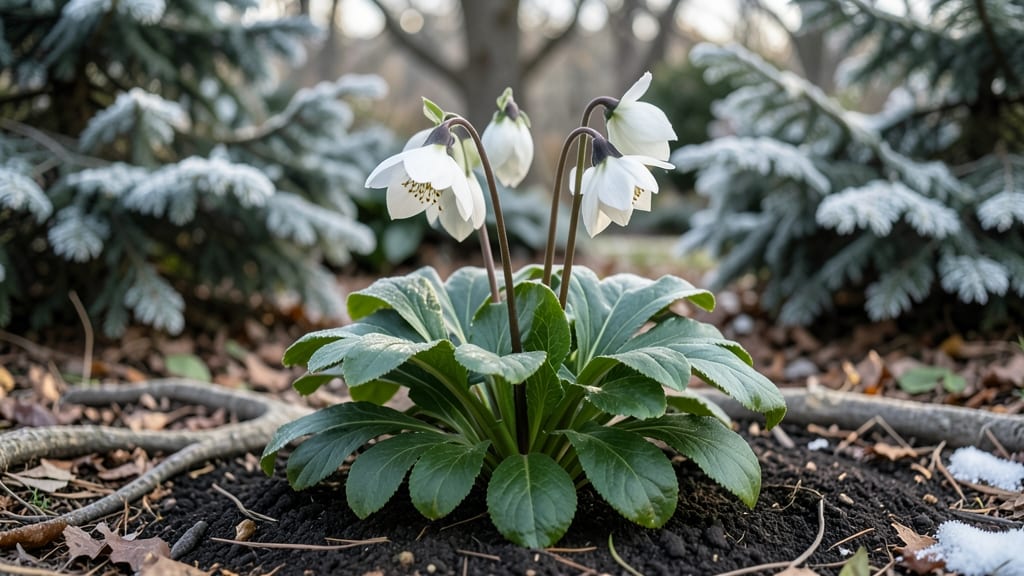
In Zone 6 and colder, the right winter flowers don’t just endure—they thrive. From hellebores that bloom under snow to snowdrops that peek through ice, these plants prove that winter gardens can be just as vibrant as their spring counterparts.

The key? Choosing varieties bred for cold resilience and giving them the right care to keep blooming.

Below, I’ll share the top cold-hardy flowers for your region, how to plant them for maximum winter color, and creative ways to weave them into your garden design—so you can enjoy beauty even when the world outside is gray.

Top 10 cold-resistant flowers that thrive in winter conditions

Winter doesn’t have to mean a blank canvas in your garden. With the right cold-resistant flowers, you can transform chilly months into a vibrant display of color and texture.

These hardy plants not only survive freezing temperatures but often thrive in winter conditions, offering blooms when most gardens are dormant. From delicate snowdrops to bold hellebores, these flowers bring life to your outdoor spaces even when snowflakes fall.

One of the keys to success with winter-blooming flowers is selecting varieties that match your USDA hardiness zone. Many of these beauties can handle zones as low as 3 or 4, making them ideal for northern climates.

Whether you're in a Zone 5 or Zone 7, there’s a winter flower that will add cheer to your landscape. Let’s explore the top 10 cold-resistant flowers that bring color and resilience to your garden.

Flower USDA Zones Bloom Time Sun Needs Care Tips
Snowdrops (Galanthus) 3-9 Late winter Partial shade Plant bulbs in fall; mulch heavily
Hellebores (Helleborus) 4-9 Winter to early spring Partial shade Keep soil moist; deadhead spent blooms
Winter Jasmine (Jasminum nudiflorum) 6-9 Late winter Full sun Prune after flowering; well-draining soil
Pansies (Viola) 5-10 Fall to spring Full sun to partial shade Remove faded blooms; mulch for frost protection
Crocuses (Crocus) 3-8 Early spring Full sun Plant bulbs in fall; avoid overwatering
Winter Aconite (Eranthis hyemalis) 4-8 Late winter Partial shade Plant in well-draining soil; minimal care
Daffodils (Narcissus) 3-10 Early to mid-spring Full sun Plant bulbs in fall; fertilize in spring
Lenten Rose (Helleborus lentus) 4-9 Winter to early spring Partial shade Keep soil consistently moist
Winter Honeysuckle (Lonicera fragrantissima

How to extend winter bloom season: planting and care tips

Winter gardens can thrive with the right cold-hardy flowers and proper care. The key to extending your bloom season lies in smart plant selection, soil preparation, and seasonal maintenance. By focusing on these strategies, you can enjoy vibrant color even when temperatures drop below freezing.

Start by choosing plants that naturally thrive in winter conditions, like hellebores, winter jasmine, and pansies.

Before planting, prepare your garden beds with organic matter to improve drainage and retain moisture. Winter soil often compacts, so adding compost or aged manure creates a healthier environment for roots.

This step is crucial for plants that need to establish strong root systems before dormancy sets in. Test your soil's pH—most winter bloomers prefer slightly acidic to neutral conditions.

🌿 Key Steps to Extend Winter Blooms

  1. 1. Choose hardy varieties: Select USDA Zone 5-7 plants like hellebores, winter aconite, and snowdrops that naturally bloom in cold weather.
  2. 2. Plant in well-draining soil: Amend clay soil with compost or sand to prevent waterlogging, which can damage roots.
  3. 3. Apply protective mulch: Use 3-4 inches of straw or shredded leaves to insulate roots and retain moisture.
  4. 4. Water sparingly but deeply: Reduce frequency but ensure deep watering every 2-3 weeks to prevent drought stress.
  5. 5. Prune dead blooms: Remove spent flowers to encourage new growth and maintain a tidy appearance.
  6. 6. Protect from late frosts: Use frost cloth on tender varieties when temperatures drop below 20°F.
  7. 7. Fertilize lightly in early spring: Apply a balanced 10-10-10 fertilizer when new growth appears.

Mulching is one of the most effective ways to protect winter flowers. Apply a thick layer of organic mulch—such as straw, shredded bark, or leaves—around the base of your plants. This creates an insulating barrier that regulates soil temperature and prevents freeze-thaw cycles that can damage roots.

For added protection, consider using evergreen boughs or frost cloth over particularly delicate plants during extreme cold snaps.

Watering needs change dramatically in winter. While rainfall often decreases, your plants still require moisture to survive. Water deeply but infrequently, focusing on the root zone. Avoid wetting foliage, as this can lead to fungal diseases in cold, damp conditions.

Early morning is the best time to water, allowing any moisture on leaves to evaporate before nightfall. Reduce watering frequency as temperatures drop, but never let the soil dry out completely.

Pruning plays a crucial role in maintaining healthy winter bloomers. After the first frost, trim back any dead or damaged foliage to improve airflow and reduce the risk of disease. For perennials like hellebores, a light pruning in early spring encourages new growth and abundant blooms.

Always use clean, sharp tools to make precise cuts just above a leaf node. This practice keeps your plants looking neat while promoting vigorous growth for the next season.

Finally, monitor your winter garden regularly for signs of stress or pests. Common issues include aphids, spider mites, or fungal infections, which can thrive in cold, damp conditions. Treat problems promptly with neem oil or insecticidal soap, and remove any affected plant material immediately.

With proper care, your winter garden can remain vibrant and healthy, providing color and life even in the coldest months. 🌷

★★★★★4.6(12 reviews)
Categories Flowers