
Blooming
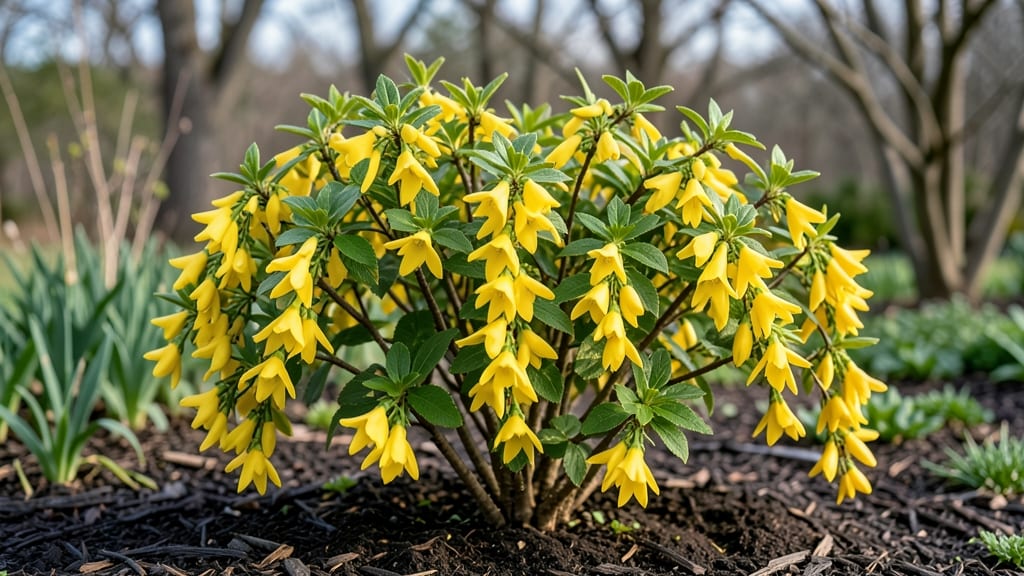
The forsythia bloom time in your garden depends on where you live, but those bright yellow clusters almost always arrive as the first sign that winter is over.
If you’ve ever dreamed of waking up to a burst of golden yellow blooms signaling spring’s arrival, timing your forsythia care is everything—but when exactly should you expect those vibrant flowers in your zone?
In Zone 6a, where forsythia thrives, blooms typically appear between late February and early March, though earlier or later in warmer or cooler microclimates. The key? Understanding how temperature shifts trigger flowering—and how pruning can nudge your shrub to bloom just a little sooner.
Below, I break down the exact bloom windows by region, the pruning secrets that extend flowering, and the companion plants that make your spring garden pop alongside 🌸 forsythia.
When forsythia blooms by USDA plant hardiness zones (with exact timing)
Forsythia is one of the first shrubs to announce spring’s arrival with its cheerful golden yellow blooms. But the exact timing depends heavily on your USDA hardiness zone and local climate patterns.
In warmer zones like 6-8, you might spot buds opening as early as late February, while gardeners in colder zones 3-5 often wait until mid-April. Understanding these variations helps you plan pruning, mulching, and even companion plantings for a stunning spring display.
Temperature plays a crucial role—forsythia buds typically burst when daytime highs reach 50-55°F consistently for 3-5 days. However, regional microclimates create surprises: Pacific Northwest gardens often see blooms 2-3 weeks earlier than Midwest locations at the same zone level.
Let’s break down the zone-by-zone schedule so you can anticipate your forsythia’s grand entrance.
| USDA Zone | Typical Bloom Window | Temperature Trigger | Regional Variation | Care Tip |
|---|---|---|---|---|
| Zones 3-4 | Mid-April to early May | 50°F+ for 5+ days | Great Lakes regions bloom 1 week later than Northeast | Mulch heavily in late fall to protect buds |
| Zones 5-6 | Late March to mid-April | 48°F+ for 3+ days | Pacific Northwest blooms 2 weeks earlier than Midwest | Prune immediately after blooming to encourage next year’s flowers |
| Zones 7-8 | Late February to early March | 55°F+ for 3+ days | Southern California may see January blooms in mild winters | Water deeply in winter if rainfall is scarce |
| 🌸 EARLY BLOOMERS (Zones 6-8) often need less winter protection than northern varieties | ||||
| All Zones | Bloom duration: 2-3 weeks | Peak at 60-65°F days | Urban areas may bloom 1 week later due to heat islands | Plant near spring-blooming bulbs (daffodils, tulips) for extended color |
In Zones 3-4, where winters are harshest, forsythia often waits until mid-April to bloom. The shrub’s buds form in the previous summer and need consistent 40°F+ temperatures to avoid winter damage.
Gardeners in Minnesota or upstate New York should watch for last frost dates—blooms typically appear 2-3 weeks after the average last frost in their area.
Moving south to Zones 5-6, the bloom window shifts dramatically. Here, forsythia often starts flowering in late March, sometimes as early as February in sheltered microclimates.
The Pacific Northwest stands out as an exception—Portland and Seattle gardeners frequently see blooms 2 weeks earlier than their counterparts in Ohio or Missouri at the same zone level, thanks to milder winters and maritime influence.
For those in Zones 7-8, forsythia’s early arrival is almost a harbinger of spring. In Southern California or Georgia, you might spot the first blooms as early as late January, especially in mild winter years.
However, late frosts can still pose risks—always monitor your local frost forecast and have row covers ready if needed. These zones also benefit from year-round growth, meaning forsythia may produce multiple bloom cycles in exceptionally warm winters.
Regional variations extend beyond zone boundaries. Urban heat islands can delay blooms by up to 1 week in cities like Chicago or Philadelphia, while coastal areas often see earlier blooming due to moderating ocean breezes.
Even within a single state, elevation matters—mountainous regions like West Virginia or Colorado may have forsythia blooming 3 weeks later than valley gardens at the same latitude.
To maximize your forsythia’s bloom potential, pay attention to temperature trends in the weeks leading up to expected bloom time. If your area experiences unusually warm winters, buds may open 4-6 weeks early.
Conversely, late spring frosts can damage fresh blooms—consider planting late-blooming varieties like 'Northern Gold' if you’re in a frost-prone zone. These cultivars are bred to handle colder temperatures during the bloom period.
For garden design, pair forsythia with plants that bloom in early spring succession. Crocuses and heather create a low-growing carpet beneath its arching branches, while cherry blossoms or magnolias provide vertical contrast.
The key is to choose companions that don’t compete for sunlight once forsythia’s leaves emerge—most varieties become deciduous in late spring, allowing sunlight to reach understory plants again.
Pro tip: Use a garden journal to track your forsythia’s bloom dates over 3-5 years. Note any weather patterns that seem to affect timing—this data helps you predict future bloom windows with greater accuracy. With this zone-specific knowledge, you’ll be the first
How to predict and extend forsythia bloom time with pruning and care
Timing is everything when it comes to forsythia bloom time, and the right pruning techniques can push those golden blooms weeks earlier. Forsythia blooms on old wood, meaning last year’s growth produces this year’s flowers.
If you prune at the wrong time, you risk cutting off next year’s buds before they even form.
To maximize bloom abundance, focus on three key strategies: late-winter pruning, soil pH adjustments, and winter bud protection. These science-backed methods ensure your shrub wakes up ready to burst into color as soon as the frost lifts. Let’s break it down step by step.
Step-by-Step Guide to Extend Forsythia Bloom Time
One common mistake is pruning forsythia in fall, which removes next year’s flower buds before they’ve formed. Instead, wait until after blooming to prune. If your forsythia isn’t blooming at all, check for compacted soil or nutrient deficiencies, both of which can stunt flower production.
For earlier blooms, plant forsythia in a south-facing location where it receives 6+ hours of sunlight daily. In shady spots, blooms may arrive 2–3 weeks later or be less abundant. Pair your forsythia with early spring bulbs like daffodils or crocuses to extend your garden’s color palette.
With these techniques, you can extend forsythia bloom time by up to 3 weeks and ensure your shrub becomes the showstopper of your spring garden. The key is patience—forsythia rewards careful, timely care with vibrant, long-lasting blooms every year. 🌸