
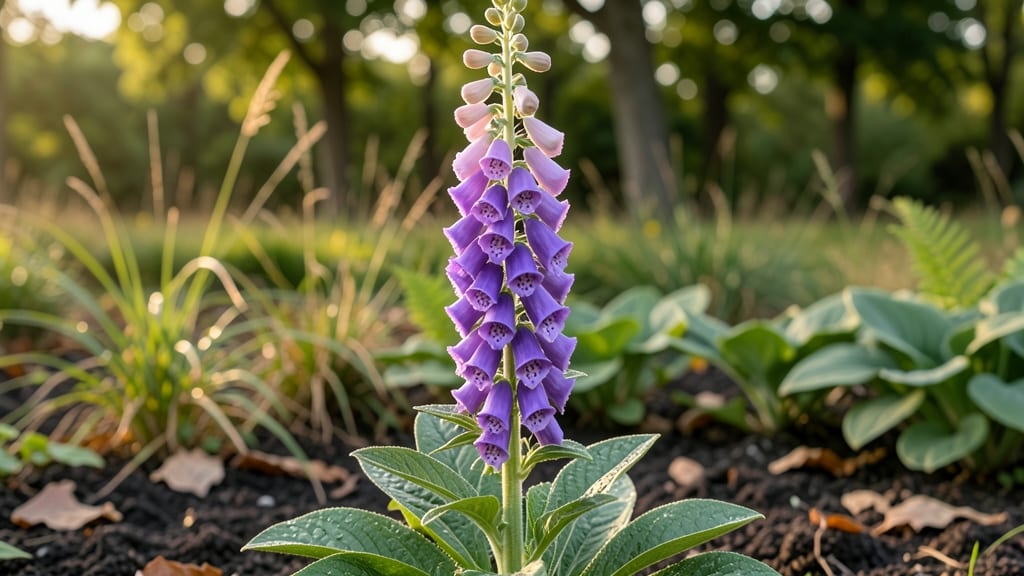
Foxglove Bloom Time: How Varieties Shift From Spring to Fall

Blooming

Foxglove Bloom Time: How Varieties Shift From Spring to Fall

Foxglove blooms typically unfold their striking spires between mid-summer and early fall, though the exact bloom time varies wildly by variety and climate. Picture this: you’ve waited all season for that towering 🌸 display, only to find your plants sitting pretty with buds but no flowers—what gives?

Turns out, foxglove bloom time isn’t just about the calendar; it’s a dance between genetics, sunlight, and even your soil’s mood. Some varieties like Digitalis purpurea burst into color by early July, while others, such as Digitalis grandiflora, play it cool and wait until August or September.

Throw in a late frost or a heatwave, and suddenly, your garden’s fireworks show gets delayed—or worse, canceled.

But here’s the good news: with the right care, you can coax your foxgloves into a longer, more reliable performance. We’ll break down how to read your plants’ signals, adjust for your USDA zone, and troubleshoot those stubborn non-bloomers. No more guessing—just blooms on demand.

Ready to turn your garden into a foxglove showstopper? Let’s dive into the secrets behind their timing, from early bloomers to fall reblooms, and the simple tricks that keep them flowering all season long.

Foxglove bloom time by variety: when to expect stunning spikes

Foxglove (Digitalis spp.) transforms gardens into enchanting landscapes, but their bloom timing varies dramatically by variety. Some varieties burst into color in early summer, while others wait until late fall. Understanding these differences helps you plan your garden layout and care schedule for maximum impact.

For example, Digitalis purpurea typically blooms earlier than Digitalis grandiflora, which may wait until July or August in cooler climates.

Your location also plays a critical role. In USDA Zone 5, foxgloves often bloom 2-3 weeks later than in Zone 8 due to cooler spring temperatures. Meanwhile, Digitalis obscura (yellow foxglove) tends to bloom slightly earlier than its purple cousins, making it a great choice for early-season color.

Let’s break down the bloom windows for 10 popular varieties to help you time your garden perfectly.

How to extend foxglove bloom time naturally: pruning and care hacks

Foxgloves (Digitalis) are famous for their dramatic vertical blooms, but their flowering season can feel disappointingly short if you don’t intervene. With the right pruning techniques and care adjustments, you can stretch their bloom time by 4-6 weeks—or even encourage a second flush of flowers.

The key lies in mimicking their natural growth patterns while avoiding common mistakes that trigger early dormancy.

Most gardeners focus on deadheading spent blooms, but foxgloves respond just as strongly to soil moisture management and light adjustments.

For example, Digitalis purpurea (common foxglove) often blooms from mid-summer to early fall, but with targeted care, you can coax it into flowering as early as late spring or as late as early winter in milder climates. Let’s dive into the proven methods that work.

⚠️ Critical Mistake Alert: Over-Pruning Foxgloves

Never trim more than 30% of the foliage at once—foxgloves store energy in their basal leaves. Cutting too aggressively forces the plant into dormancy, shortening bloom time. Instead, focus on selective deadheading and light pruning to redirect energy toward new flower spikes.

Start with deadheading, the simplest way to prolong blooms. As soon as 20-30% of flowers on a spike fade, snip the entire stem just above the first set of leaves.

This prevents seed production, which drains energy. Repeat every 2-3 weeks during peak bloom. For Digitalis grandiflora (yellow foxglove), this technique extends flowering by up to 8 weeks in ideal conditions.

Next, optimize watering patterns. Foxgloves hate consistent soggy soil but also suffer from drought stress. Water deeply once weekly in summer, then reduce to bi-weekly in fall. Use a moisture meter to check soil—aim for 60% moisture retention at 2 inches deep.

Mulch with 2-3 inches of organic matter (like shredded bark) to retain moisture and regulate temperature.

Light plays a surprising role in bloom duration. While foxgloves thrive in partial shade, they need at least 4 hours of morning sun to trigger consistent flowering. If your plants are in deep shade, move them to a dappled-light spot (like under high tree branches).

Avoid hot afternoon sun, which can scorch leaves and stress the plant, cutting bloom time short.

For a second bloom cycle, try this trick: After the first flush of flowers fades, fertilize lightly with a balanced 10-10-10 mix in early July. Avoid high-nitrogen fertilizers—they promote leafy growth at the expense of blooms.

Pair this with reduced watering (let the top inch of soil dry between waterings) to mimic fall conditions. Many gardeners report a second, smaller bloom in late summer or early fall using this method.

Finally, resist the urge to transplant foxgloves during bloom time. Their roots are shallow, and moving them stresses the plant, causing buds to drop. If you must relocate, do it before flowering begins or after seeds set.

With these care hacks, your foxgloves will reward you with longer, more abundant blooms year after year.

★★★★★4.6(2 reviews)
Categories Blooming
Variety Typical Bloom Time Height Color Notes
Digitalis purpurea June–August 3–5 ft Purple, pink, white Most common; early bloomer
Digitalis grandiflora July–September 4–6 ft Yellow, cream Larger flowers; late bloomer
Digitalis obscura May–July 2–3 ft Yellow Early yellow blooms; shorter stature
Digitalis ferruginea July–September 3–4 ft Rust-red Rare; heat-tolerant
Digitalis lutea June–August 3–5 ft Yellow Bright yellow; drought-tolerant
Digitalis ambigua June–July 2–3 ft Purple Compact; great for borders
Digitalis × mertonensis July–September 4–5 ft Pink, white Hybrid; longer bloom period
Digitalis lanata May–June