
Blooming
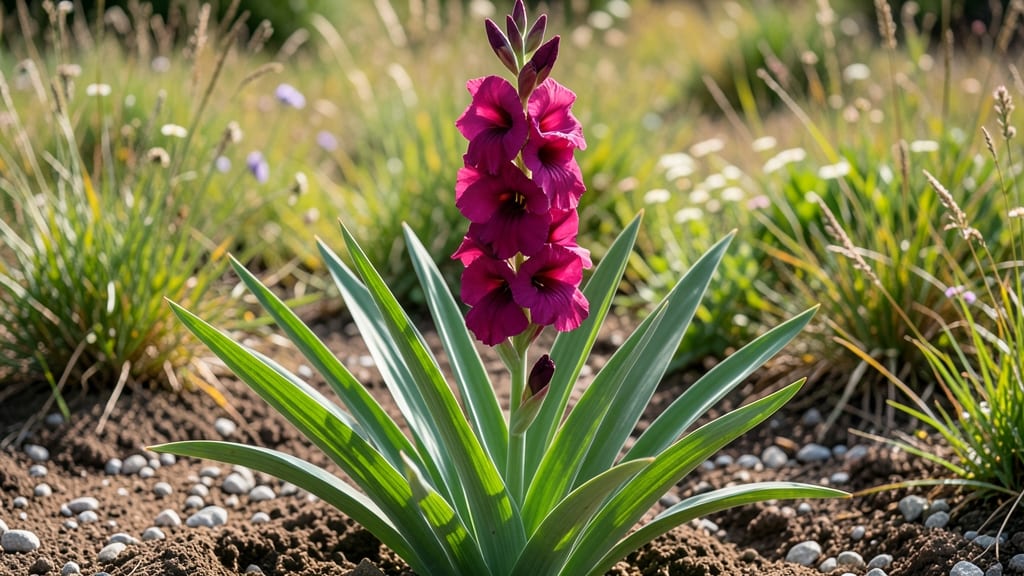
Gladiolus bloom time isn't just about summer—it's about heat chasing frost like a race with the seasons. ✨ I've learned that these dramatic sword-leafed beauties time their explosions of color to the hottest months, but with the right varieties, you can stretch their show from early July through October's last hurrah.
The secret lies in their heat sensitivity: early bloomers like 'Green Star' wake up in late June when soil hits 70°F, while late varieties like 'White Friendship' hold off until mid-August, riding the warmth well into fall.
Planting depth and soil temperature are the real game-changers—too shallow and they flop; too cool and they sulk. What you'll get is 8-10 days of nonstop blooms per stalk, with each flower lasting 5-7 days at peak freshness. The scent? Subtle, but the visual impact?
Unmatched—tall spikes of velvety petals that make every cutting garden worth the effort. For northern gardeners, treat glads like annuals and dig them up before frost. Southerners can push it further by choosing heat-tolerant varieties like 'Black Star' and providing afternoon shade during brutal heatwaves.
📚 In This Guide
- What you need
- Instructions
- Tips and common mistakes
- Wrapping up and next steps
What you need
- ● Heat-tolerant gladiolus corms: Choose varieties like ‘Red Shine,’ ‘Green Star,’ or ‘White Prosperity’ (all labeled as heat-resistant).
- ● Quantity: 10–20 corms (adjust based on garden space).
- ● Well-draining soil mix: 50% garden soil
- ● 30% compost or aged manure
- ● 20% perlite or coarse sand (for aeration)
- ● Fertilizer: Balanced 10-10-10 NPK or 5-10-10 (low nitrogen to prevent leafy growth over blooms).
- ○ Optional: Phosphorus-rich fertilizer (e.g., bone meal) at planting for root boost.
- ● Tools: Hand trowel or garden fork
- ● Measuring tape or ruler (for spacing)
- ● Watering can with a rose attachment (gentle watering avoids corm rot)
- ● Mulch (straw or pine needles, 2–3 inches thick)
- ● Sunlight: Full sun (6+ hours daily)—no compromises!
- ● Temperature: Plant when soil temps reach 60°F (15°C) (spring or late summer).
- ● Avoid frost-prone areas; use row covers if night temps dip below 50°F (10°C).
- ● Watering schedule: 1–1.5 inches per week (drought-tolerant but needs moisture during bloom).
- ● Spacing: Corms: 4–6 inches apart
- ● Rows: 12–18 inches apart
- ● Stakes or plant supports (for tall varieties like ‘Black Star’)
- ● Slow-release fertilizer tablets (for low-maintenance nutrition)
- ● Soil thermometer (to monitor planting temps)
- ● Organic pest control (neem oil or insecticidal soap for thrips)
How to time gladiolus blooms for peak summer displays
Here's the method I've used for years to get vibrant gladiolus blooms right when you need them—no more waiting for chance.
☀️ Step 1: Choose Heat-Responsive Varieties for Your Climate
Gladiolus bloom time hinges on variety selection. For hot summer climates, opt for late-season varieties like 'Green Star' or 'Black Star' that thrive in 80-90°F heat. In cooler regions, early bloomers like 'Picasso' or 'White Prosperity' perform best when planted 4-6 weeks before last frost.
I always check the USDA hardiness zone recommendations on seed packets—some varieties bloom 70-80 days after planting, while others take 90-100 days. The key is matching bloom time to your local heat patterns. For example, in Zone 5, I plant heat-tolerant varieties in late May to ensure blooms appear in late July-August.
🌱 Step 2: Plant Corms at the Right Depth and Timing
Plant gladiolus corms 4-6 inches deep in well-draining soil, with the pointed end facing up. In warm climates, plant in early spring (March-April) for summer blooms. In cooler zones, wait until 2-3 weeks after last frost when soil reaches 60°F.
I space corms 6 inches apart in rows 18 inches apart to allow airflow and prevent disease. The deeper you plant, the later they bloom—shallow planting (3 inches deep) speeds up bloom time by 10-14 days. Just don't plant too shallowly, or the corms may dry out.
💧 Step 3: Manage Water and Fertilizer for Consistent Blooming
Gladiolus need 1-1.5 inches of water weekly, but avoid overhead watering once sprouts appear to prevent fungal diseases. I use a soaker hose to deliver moisture directly to the roots. During bud formation (about 6-8 weeks after planting), increase water slightly to encourage strong stems.
Fertilize lightly at planting with a balanced 10-10-10 mix, then switch to a low-nitrogen, high-phosphorus (5-10-10) fertilizer when flower spikes emerge. Too much nitrogen delays blooming—you'll see lush foliage but no flowers. I side-dress with compost tea mid-season for extra nutrients without overfeeding.
⏰ Step 4: Extend Bloom Time with Strategic Deadheading
To prolong blooming, deadhead spent flowers immediately by snipping the stem just above the next lower bud. This redirects energy to developing side buds, often extending the display by 2-3 weeks. I always wear gloves—gladiolus sap can irritate skin.
For a continuous bloom cycle, stagger planting by 2-3 weeks. Plant the first batch in early spring, then follow with 2-3 more batches every 3 weeks. This ensures fresh blooms from mid-summer to early fall. In frost-prone areas, dig up corms before the first freeze and store them in a cool, dry place for next year.
🌿 Step 5: Protect Blooms from Heat Stress
Gladiolus can handle heat, but prolonged temperatures above 95°F cause buds to drop. I provide afternoon shade with a lightweight shade cloth (30-50%) during extreme heat waves. Mulch with 2-3 inches of straw to keep roots cool and retain moisture.
Watch for wilted but still firm buds—this is a sign of heat stress. Move plants to a shadier spot immediately. In humid climates, apply a fungicide spray every 2 weeks to prevent rust and botrytis, which thrive in warm, moist conditions. With proper care, your gladiolus will reward you with bold, long-lasting blooms right when you need them most.
Tips & tricks for perfect gladiolus bloom timing
These are the secrets I've learned after years of growing gladiolus—small details that make all the difference between a beautiful summer display and a disappointing wait.
Variety Selection Matters: When choosing your heat-responsive varieties, pay close attention to the USDA hardiness zone on seed packets. For example, in Zone 6, I plant 'Black Star' in early May to ensure blooms appear in mid-July, while Zone 8 gardeners can push planting to late April for the same timing. The 70-100 day bloom range accounts for both early and late varieties—match your planting date to your local last frost date rather than calendar months. I always calculate backward from my target bloom date to determine planting time.
Planting Depth Determines Timing: The 3-inch shallow planting mentioned in Step 2 speeds up bloom time by 10-14 days compared to the standard 4-6 inches. This is particularly useful if you need to adjust bloom timing due to unexpected weather. However, never plant deeper than 6 inches—this delays blooming too much and risks rot. I test soil moisture at planting depth to ensure proper drainage, especially in clay-heavy soils where water pools around corms.
Heat Stress Prevention: The 95°F threshold mentioned for heat stress is critical, but I've found that even brief periods above 85°F can cause bud drop if humidity is high. In my Zone 7 garden, I use a 30% shade cloth during afternoon heat waves, which reduces stress without stunting growth. The key is monitoring afternoon temperatures rather than daily highs—this is when buds are most vulnerable. I also water deeply in the morning to help roots withstand heat stress.
Fertilizer Timing is Everything: The switch from 10-10-10 to 5-10-10 fertilizer at bud formation is crucial for preventing nitrogen burn. I've noticed that gardeners often overlook this transition, resulting in lush foliage but no blooms. The 6-8 week window for increased watering during bud formation aligns perfectly with this fertilizer change—both help direct energy toward flower production rather than leaf growth. I always mark my calendar when I see the first flower spikes emerge to trigger this switch.
Pro Tips for Gladiolus Bloom Time
- These are the secrets I've learned after years of growing gladiolus—small details that make all the difference between a beautiful summer display and a disappointing wait.
- Variety Selection Matters: When choosing your heat-responsive varieties, pay close attention to the USDA hardiness zone on seed packets.
- Planting Depth Determines Timing: The 3-inch shallow planting mentioned in Step 2 speeds up bloom time by 10-14 days compared to the standard 4-6 inches.
Frequently asked questions
Got questions about gladiolus bloom time? You’re not alone! Here are answers to the most common queries—from timing tricks to troubleshooting—so you can enjoy those striking blooms all season long.
When do gladiolus flowers typically bloom?
Most gladiolus varieties bloom 60–90 days after planting, depending on the cultivar and climate. Heat-loving types (like 'Picturedrome' or 'Green Star') often peak in late summer to early fall, while cooler-season varieties may bloom earlier. For a longer display, stagger plantings every 2–3 weeks!
Can gladiolus bloom in cold weather?
Gladiolus hate frost—they’re tropical escapees! While some heat-resistant varieties tolerate light frosts (down to 28°F/-2°C), blooms may suffer or fail entirely in freezing temps. Plant after your last frost date, or opt for container-growing to move pots indoors if chilly nights threaten.
Why aren’t my gladiolus blooming?
Common culprits include:
- Insufficient sunlight: Gladiolus need full sun (6+ hours/day)—move them to a sunnier spot.
- Overcrowding: Thin corms to 4–6 inches apart for better airflow and blooms.
- Poor soil: Amend with compost and low-nitrogen fertilizer (high nitrogen = leafy growth, no flowers!).
- Stress: Sudden temp drops or drought can delay blooms—keep soil consistently moist.
What’s the best way to extend gladiolus bloom time?
For a prolonged show, try these tricks:
- Stagger plantings: Space out corms by 2–3 weeks for sequential blooms.
- Choose heat-tolerant varieties: Look for labels like "late-season" or "tropical" (e.g., 'Black Star' or 'Apricot').
- Deadhead spent blooms: Snip faded flowers to redirect energy to new buds.
- Fertilize mid-season: A balanced 10-10-10 fertilizer at 6 weeks after planting boosts blooms.
Are there gladiolus alternatives for earlier blooms?
If you’re eager for color but impatient for gladiolus, try these fast-blooming perennials:
- Dahlias: Plant tubers in spring for blooms in 8–12 weeks.
- Canna lilies: Thrives in heat, blooms 60–70 days after planting.
- Zinnias: Annuals that bloom in 6–8 weeks from seed—perfect for filling gaps!
- Crocosmia: A hardier, perennial cousin with bold spikes (blooms late summer).
Wrapping up and next steps
Understanding your gladiolus bloom time is key to cultivating vibrant, heat-resistant blooms that thrive even in warmer climates.
By selecting the right varieties—like the early-blooming Gladiolus gandavensis or late-season Gladiolus dalenii—and providing proper care, you can enjoy stunning flowers well into fall. Don’t let frost hold you back! Experiment with these tips, and soon, your garden will be a burst of color.
Ready to transform your garden? Start by choosing your heat-loving gladiolus varieties today! 🌸 With the right prep, you’ll be rewarded with breathtaking blooms that keep giving—season after season.