
Blooming
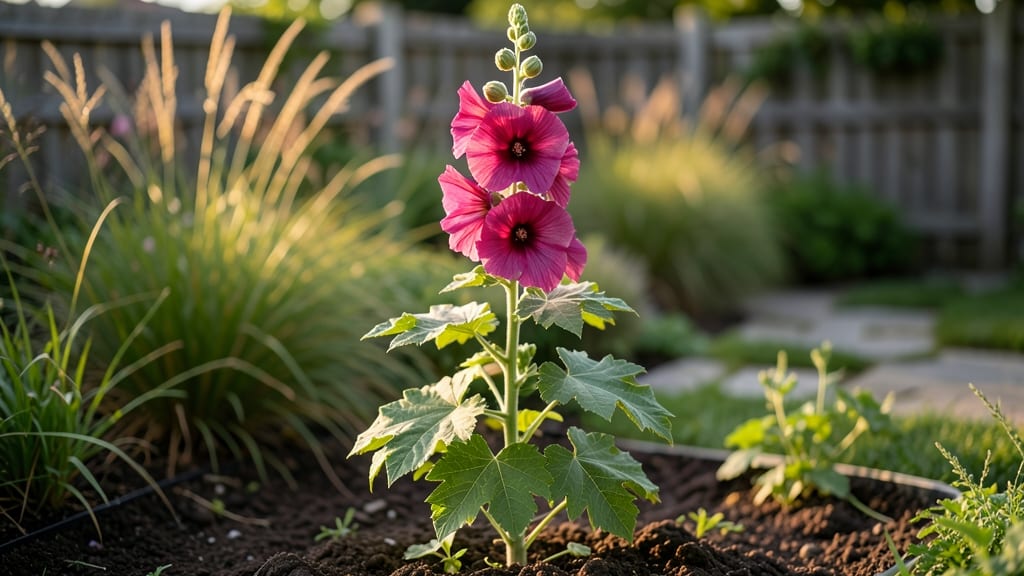
The hollyhock bloom time in mid-to-late summer 🌸 delivers a stunning burst of color that transforms any garden.
Wondering why your hollyhocks bloom once and then disappear—or how to coax them into a second glorious display? Understanding hollyhock bloom cycles is the key to maximizing their stunning floral impact in your garden.
Some varieties bloom just once, while others can rebloom with the right care, and climate plays a huge role in timing. Whether you're in USDA Zone 6a or a warmer region, knowing these factors helps you plan for the best display.
Below, I’ll break down how to identify single-bloom vs reblooming types, the best care tips to extend their season, and even which companion plants pair beautifully with them during their peak bloom.
Hollyhock bloom time: single-cycle vs reblooming varieties explained
Hollyhocks are iconic cottage garden plants known for their towering spikes of ruffled blooms, but their bloom cycles vary dramatically between varieties. Some hollyhocks produce a single spectacular display, while others reward gardeners with multiple bloom cycles throughout the season.
Understanding these differences helps you choose the perfect variety for your garden's aesthetic and maintenance preferences.
The primary distinction lies in their genetic bloom programming. Single-cycle hollyhocks follow a strict one-season bloom pattern, typically flowering from mid-summer to early fall before going dormant. In contrast, reblooming varieties produce flowers in waves, often with a primary bloom followed by secondary flushes if properly cared for.
This difference stems from their natural growth habits and energy allocation.
Climate plays a crucial role in bloom timing. In cooler regions (USDA Zones 3-6), hollyhocks often bloom later in the season, sometimes extending into October. Meanwhile, warmer climates (Zones 7+) may see earlier blooming but sometimes struggle with heat stress that shortens the display.
The key is selecting varieties that align with your local growing conditions.
Here's how to visually identify single-cycle vs reblooming hollyhocks before planting:
| Characteristic | Single-Cycle Varieties | Reblooming Varieties |
|---|---|---|
| Bloom Cycle | One main bloom season | Multiple bloom cycles |
| Seasonal Timing | Mid-summer to early fall | Primary bloom + secondary flushes |
| Growth Habit | Tall, sturdy stems | More compact growth |
| Flower Color | Classic pink, white, or purple | Expanded color palette |
| Maintenance | Low (one bloom cycle) | Moderate (requires deadheading) |
| Popular Examples | 'Black Prince', 'Chater's Double' | 'Helen Campbell', 'Peach Blossom' |
| Climate Adaptability | Cold-hardy, drought-tolerant | Needs consistent moisture |
Single-cycle hollyhocks like 'Black Prince' (deep purple) or 'Chater's Double' (ruffled blooms) produce their dramatic display in one concentrated burst. These varieties are perfect for gardeners who want minimal maintenance and appreciate the classic hollyhock look.
Their bloom period typically spans 6-8 weeks, making them ideal for cut flower arrangements that last weeks in vases.
Reblooming varieties, however, offer extended seasonal interest. Cultivars like 'Helen Campbell' (pink) or 'Peach Blossom' may produce their first flush in early summer, followed by secondary blooms in late summer or early fall.
The trade-off is slightly more care—these varieties often require regular deadheading to encourage new flower production and may benefit from light fertilizing during the growing season.
Climate significantly impacts bloom timing. In cooler northern climates, hollyhocks often bloom later, sometimes extending into October when nights grow chilly. Meanwhile, in warmer southern regions, they may start blooming as early as June but sometimes struggle with heat stress that shortens their display.
The solution? Choose heat-tolerant varieties like 'Lady of the Lake' for southern gardens or cold-hardy types like 'Apple Blossom' for northern areas.
One common misconception is that all hollyhocks are biennial plants with a two-year bloom cycle. While many are biennial, some modern varieties are perennial, meaning they return year after year with proper care.
Perennial hollyhocks often have more reliable reblooming tendencies, making them excellent long-term garden investments. Always check the variety description when selecting seeds or plants.
To maximize bloom time regardless of variety, focus on three key growing conditions: full sun exposure, well-draining soil, and consistent moisture. Hollyhocks thrive in 6+ hours of direct sunlight daily and prefer soil with good drainage to prevent root rot.
Mulching around the base helps maintain even soil moisture while suppressing weeds that compete for nutrients.
For gardeners in USDA Zones 7-10, where winters are mild, hollyhocks may bloom nearly year-round with minimal care. In contrast, those in Zones 3-5 should expect a more concentrated bloom period but can extend it by protecting plants from late-season frosts and providing winter mulch.
Understanding your local climate zone helps you set realistic expectations for bloom timing.
Whether you prefer the dramatic single bloom of classic varieties or the extended display of rebloomers, hollyhocks offer unmatched vertical interest in cottage gardens. By selecting the right type for your climate and providing proper care, you can enjoy their stunning floral spikes for
How to extend hollyhock bloom time with proper care
Hollyhocks reward dedicated gardeners with stunning vertical displays, but their bloom time often feels disappointingly short. The good news? With the right care, you can extend that floral show by 30-50%.
The secret lies in understanding their natural cycles and implementing a few key techniques tailored to your specific hollyhock varieties.
First, recognize that single-bloom varieties typically produce one flush of flowers in mid-to-late summer, while reblooming cultivars can reward you with multiple cycles if given proper encouragement. Both types benefit from consistent care, but rebloomers need slightly more attention to trigger their second flowering phase.
Master Deadheading Techniques
Remove spent blooms immediately after wilting using clean pruners. For single-bloomers, cut back to the nearest leaf cluster. Rebloomers need a slightly different approach: trim stems just above the 5th leaf from the top to encourage lateral branching and new flower buds.
Optimize Soil Nutrition
Test your soil pH (6.0-7.0 is ideal) and amend with compost before planting. During the growing season, feed with balanced 5-10-10 fertilizer every 4-6 weeks. For rebloomers, switch to a higher phosphorus formula (10-20-10) when you notice the first flowers fading to stimulate new buds.
Implement Strategic Watering
Water deeply early in the morning to prevent fungal diseases. During bloom time, maintain consistently moist soil (1-2 inches deep). Reduce watering slightly after the first flush of blooms to signal the plant it's time to prepare for potential reblooming cycles.
Schedule Seasonal Pruning
In early spring, cut back dead or weak stems to 12 inches above ground. For rebloomers, perform a light pruning after the first bloom cycle to remove up to 1/3 of the plant's height. This stimulates bushier growth and more flower stems for subsequent blooms.
Protect Against Pests & Diseases
Monitor for rust fungus and hollyhock borers. Use neem oil preventatively and remove affected leaves immediately. Healthy plants with strong stems produce more robust blooms and are better able to support extended flowering periods.
Remember that light affects bloom duration too. While hollyhocks thrive in full sun, they'll produce slightly shorter blooms in partial shade conditions. If you're in a hot climate, provide afternoon shade to prevent premature wilting and extend each bloom's lifespan by several days.
For reblooming varieties, the key to success is creating the right conditions after their first flush. Once you see the initial blooms begin to fade, reduce water slightly, switch to your high-phosphorus fertilizer, and watch closely for new bud formation.
With these techniques, you can transform your hollyhocks from a single-summer spectacle into a multi-season floral display.
🌸