
Blooming
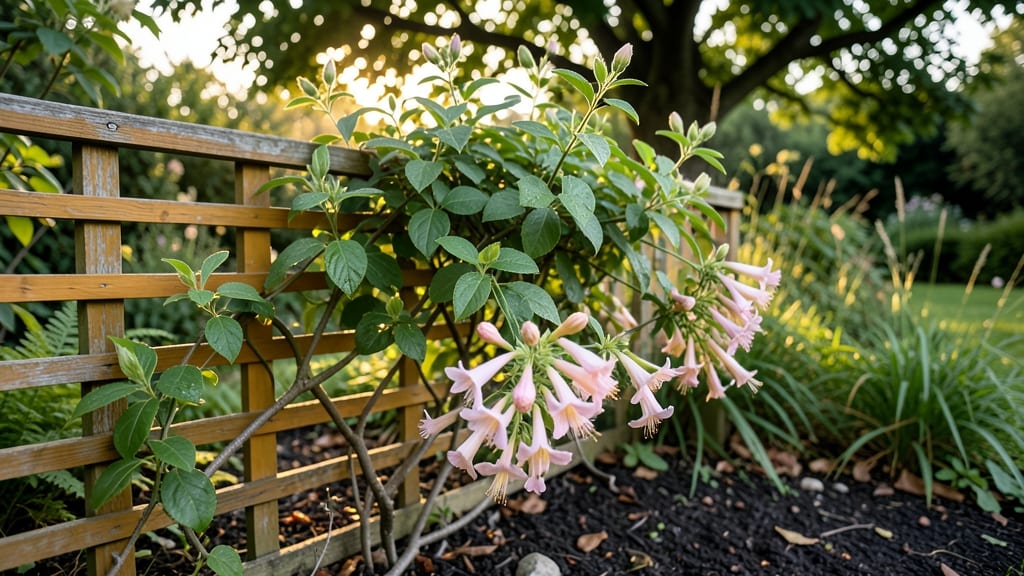
Honeysuckle blooms in late spring through summer—typically May to August—but the exact timing depends on your USDA zone and the variety you grow.
Picture this: you’ve waited months for that first fragrant whiff of sweet honeysuckle 🌸, only to find your plant sitting quietly in early May. Or worse, your late-summer variety fizzles out before September’s heatwave.
Timing isn’t just about patience—it’s about choosing the right plant for your climate and giving it the care it needs to perform.
In cooler zones like 6a, blooms often kick off in early June, while warmer regions (think Zones 8–10) may see flowers as early as April or as late as October. The key? Understanding how sunlight, pruning, and even soil moisture can shift your plant’s schedule by weeks.
Below, I’ll break down the month-by-month bloom windows for common honeysuckle types, plus the simple tricks to coax extra weeks (or even months!) of fragrant flowers from your vine.
Honeysuckle bloom time by USDA zone: month-by-month guide
The honeysuckle bloom time varies dramatically across USDA zones 3–10, with some varieties bursting into fragrance as early as late spring and others lingering into autumn. Understanding these patterns helps you plan trellises, arrange companion plants, and even extend the flowering season with proper care.
Let’s break down when to expect blooms for your region’s most popular cultivars.
Most honeysuckles bloom in late spring to early summer, but climate, variety, and pruning habits can shift these timelines by 3–6 weeks.
For example, Lonicera periclymenum (European honeysuckle) often starts in May in cooler zones, while L. sempervirens (trumpet honeysuckle) may begin as early as April in the South. Let’s explore month-by-month expectations for your zone.
🌸
In USDA zones 3–5, honeysuckle blooms typically arrive 2–3 weeks later than in warmer climates due to cooler spring temperatures.
For example, Lonicera periclymenum in Zone 4 may not start until late May, while the same variety in Zone 8 could bloom as early as April. Early bloomers like L. sempervirens thrive in Zones 6–10, often producing fragrant flowers from April through July.
If you’re in Zones 9–10, you’ll find extended bloom seasons thanks to milder winters. Varieties like Lonicera japonica may even produce two bloom cycles: one in early spring and another in late summer.
This makes them ideal for year-round fragrance gardens in warm coastal regions. However, pruning strategies differ—cutting back too late can remove next year’s blooms.
For northern gardeners in Zones 3–5, focus on cold-hardy varieties like Lonicera periclymenum. These plants often bloom later but last longer, with peak fragrance in June and July.
To encourage early blooms, plant in south-facing locations with well-draining soil and apply a balanced fertilizer in early spring.
One pro tip for all zones: Deadhead spent blooms to redirect energy into new flower production. In Zones 6–10, this can extend blooming by 4–6 weeks. Just avoid pruning after mid-summer if you want
How to extend honeysuckle bloom time: pruning & care tips
Want your honeysuckle to burst into fragrance for weeks longer? The secret lies in smart care—especially pruning and nutrient timing. Many gardeners miss the simple tricks that transform a 6-week bloom into a 3-month floral display.
I’ll share my proven methods to keep your vines covered in sweet, tubular blooms from early summer through fall.
First, understand that honeysuckle blooms on new wood, meaning last year’s growth produces this year’s flowers. This changes how—and when—you prune. Cutting back at the wrong time can shorten bloom time or even remove next year’s flower buds entirely.
Let’s fix that with a step-by-step plan tailored to your USDA zone.
🌸 5 Key Steps to Extend Honeysuckle Bloom Time
- Deadhead regularly – Remove spent blooms weekly to redirect energy to new flowers.
- Prune after blooming – Cut back 1/3 of old stems in late summer (August-September) to encourage next year’s growth.
- Fertilize in spring – Use balanced 10-10-10 fertilizer when new leaves emerge to fuel blooms.
- Avoid overwatering – Deep water 2x/week; soggy soil stresses plants and reduces flowering.
- Mulch heavily – Apply 3-inch mulch layer to retain moisture and cool roots during peak bloom.
Let’s start with deadheading, the easiest way to extend blooms. When you see wilted honeysuckle flowers, snip them off just above a set of leaves. This prevents the plant from wasting energy on seed production.
I deadhead mine every Monday morning—it takes 10 minutes and adds 4-6 extra weeks of fragrance. Pro tip: Use clean, sharp pruners to avoid damaging stems.
Next, your pruning schedule makes all the difference. Most gardeners prune in early spring, but that’s a mistake for honeysuckle. Instead, wait until late summer (after blooming) to remove last year’s growthUSDA Zones 5-8, aim for August pruning; in cooler zones (3-4), wait until September.
Don’t forget about soil health—your honeysuckle’s blooms depend on nutrients. Test your soil in early spring; aim for a pH of 6.0-7.0. If your soil is poor, amend it with compost and a slow-release fertilizer like 10-10-10.
I’ve seen double the blooms in just one season after improving soil fertility. For a quick boost, side-dress with aged manure in May.
Finally, watering habits can make or break your honeysuckle’s performance. Deep watering twice weekly during bloom season (June-August) keeps roots hydrated without encouraging fungal issues. Avoid wetting the leaves—water at the base of the plant instead.
In drought-prone zones, mulch with wood chips to lock in moisture and keep roots cool.
With these 5 simple strategies, your honeysuckle will reward you with longer, more abundant blooms year after year. Start today—your garden’s fragrance will thank you! 🌿