
Blooming
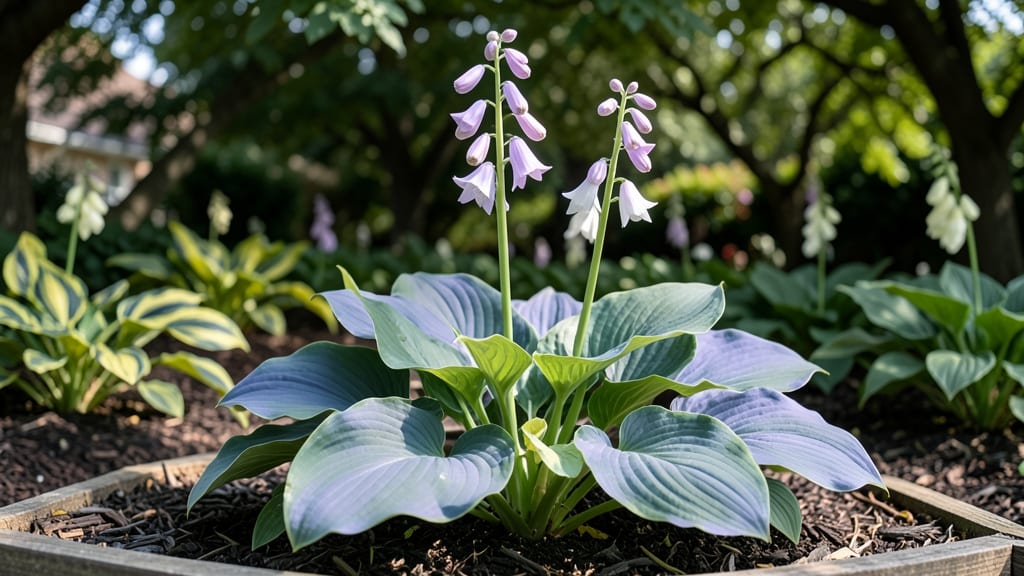
Timing hosta blooms correctly means catching those delicate spikes of lavender, white, or purple between June and September—depending on your variety and zone.
If you’ve ever waited impatiently for your hostas to bloom—only to be disappointed by late or missed flowers—you’re not alone. The difference between a showstopping display and a quiet corner plant often comes down to knowing exactly when your specific hostas will flower.
Some varieties, like the early bloomer 'Halcyon,' burst into color as soon as May, while others, such as 'Guacamole,' hold off until late summer.
Climate, sunlight, and even soil pH can shift those timelines, which is why understanding the seasonal rhythms of your hostas is key to planning your garden’s peak moments.
Here’s how to align your care with your hostas’ natural bloom cycles—plus, the simple tweaks that can coax even late bloomers into action.
Hosta bloom time by variety: month-by-month flowering guide
Hostas are prized for their stunning foliage, but their delicate flowers add a magical touch to shady gardens. The bloom time varies dramatically by variety—some burst into bloom in late May, while others wait until September.
Knowing your hosta’s flowering schedule helps you plan for seasonal color and troubleshoot if blooms are missing. Most hostas flower in summer, but a few early or late bloomers extend your garden’s show.
Your USDA zone also plays a role—cooler climates (zones 3-5) may see blooms delayed by 2-4 weeks compared to warmer zones (7-9). For example, 'Francee' typically blooms in August in zone 6 but may wait until September in zone 4.
Below, we’ve organized 15+ popular varieties by their peak bloom months, so you can match your garden’s timeline to the perfect hostas.