
How To
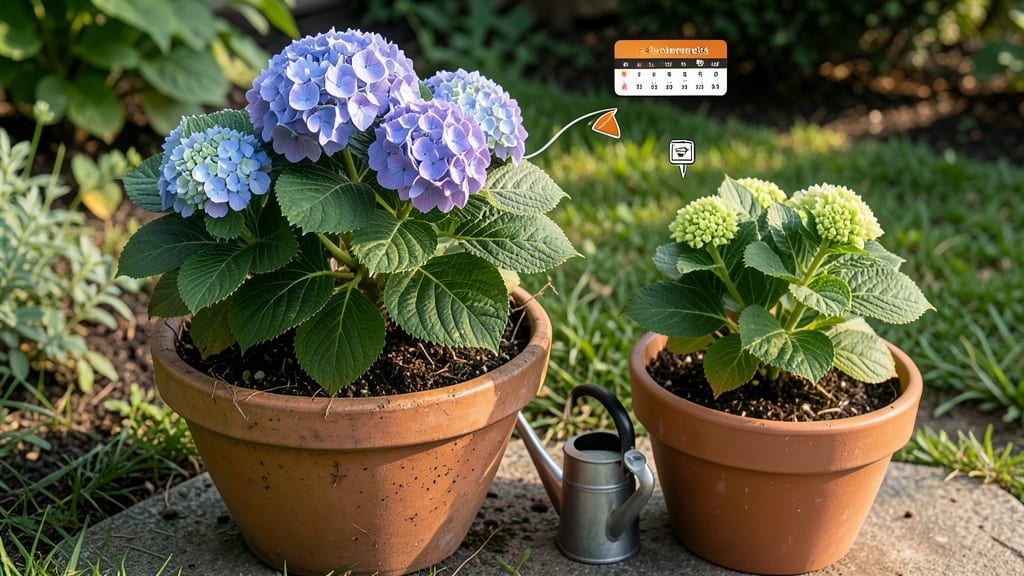
Hydrangeas in pots bloom for 4 to 8 weeks depending on variety, care, and sunlight — a shorter window than their in-ground cousins, but one you can stretch with the right tricks.
If you’ve ever wondered why your potted hydrangeas seem to bloom for just a few weeks instead of months, the answer lies in pruning, variety selection, and container care — all of which can extend their showtime dramatically.
For example, lacecap hydrangeas (💮) often bloom longer than mopheads, while panicle types can keep their flowers into early fall with proper pruning. But even the best varieties need consistent moisture and balanced fertilizer to keep blooms vibrant.
Below, I’ll break down how to double your hydrangea’s bloom time, from pruning hacks to soil secrets that keep those flowers lasting well past the typical 6-week mark.
Natural blooming duration of hydrangeas in pots by variety
If you love the lush blooms of hydrangeas but struggle with their short-lived show in containers, you're not alone. The natural blooming duration of potted hydrangeas varies wildly by variety—some burst with color for just 4-6 weeks, while others can shine for 3-4 months with the right care.
Understanding these differences helps you choose the perfect variety for your patio or balcony and set realistic expectations for their floral display.
Container-grown hydrangeas face unique challenges compared to their in-ground counterparts. Pots dry out faster, limiting nutrient uptake, and restricted root space can shorten bloom cycles. However, with the right variety selection and light exposure, you can maximize their flowering potential.
Let’s explore how different types perform and what you can do to extend their showtime dramatically.
Sunlight exposure plays a critical role in blooming duration. Too much direct sun can scorch leaves and shorten bloom cycles, while too little light results in sparse, weak flowers. Aim for 4-6 hours of morning sun and dappled shade in the afternoon for optimal results. This balance helps hydrangeas conserve energy for longer, more abundant blooms.
Here’s a quick comparison of the three most popular hydrangea types grown in containers and their typical blooming durations:
| Variety | Bloom Duration (Months) | Seasonal Bloom Time | Sunlight Needs | Bloom Color Range |
|---|---|---|---|---|
| Mophead (e.g., 'Endless Summer', 'Nikko Blue') | 3-4 months | Late spring to early fall | Partial shade (4-6 hrs sun) | Pink, blue, purple, white |
| Lacecap (e.g., 'Limelight', 'Vanille Fraise') | 2-3 months | Mid to late summer | Partial shade (3-4 hrs sun) | Green, pink, white, lavender |
| Panicle (e.g., 'Limelight', 'Little Lime') | 4-6 weeks | Late summer to early fall | Full sun (6+ hrs sun) | White, green, pink |
| Oakleaf (e.g., 'Snow Queen', 'Purple Smoke') | 2-3 months | Late spring to early summer | Partial shade (3-5 hrs sun) | White, pink, purple |
The 'Endless Summer' mophead hydrangea is a standout for container growers because it reblooms prolifically, often producing two flushes of flowers in a single season. This variety thrives in partial shade and can maintain vibrant blooms for up to 4 months if deadheaded regularly.
Its large, rounded blooms make it a showstopper on patios and decks.
Lacecap hydrangeas, like 'Limelight', offer a more delicate, airy appearance with smaller flowers on the outer edges. These varieties typically bloom for 2-3 months in mid to late summer, but their unique structure adds visual interest.
They prefer slightly less sun than mopheads, making them ideal for shadier balconies or north-facing containers.
Panicle hydrangeas, such as 'Little Lime', are the shortest-lived bloomers on this list, often lasting just 4-6 weeks. However, they’re incredibly hardy and can handle full sun, making them perfect for sunny spots where other varieties might struggle. Their conical flower shapes add a modern touch to container gardens.
Seasonal variations also impact blooming duration. In cooler climates, hydrangeas often bloom longer because the slower growth rate allows flowers to mature gradually. Conversely, in hotter regions, blooms may appear and fade more quickly due to increased stress.
Adjust your watering schedule and fertilizer use to compensate for temperature fluctuations.
To extend blooming duration, focus on consistent moisture—potted hydrangeas dry out faster than in-ground plants. Water deeply every 5-7 days, and always check the top inch of soil before watering. Mulch the surface of the pot to retain moisture and regulate soil temperature, which helps flowers last longer.
Finally, avoid over-fertilizing with high-nitrogen feeds, as this encourages leafy growth at the expense of flowers. Instead, use a balanced fertilizer (like 10-10-10) or one with slightly higher phosphorus to promote blooming.
Apply it in early spring and again after the first flush of flowers fades to encourage a second bloom cycle.
5 Pruning hacks to double your potted hydrangeas’ bloom time
Pruning your potted hydrangeas isn’t just about keeping them tidy—it’s the secret to doubling their bloom time from a few weeks to months. The key lies in understanding when and how to prune based on your hydrangea’s variety and growth habits.
Unlike their in-ground counterparts, container-grown hydrangeas need gentler pruning to avoid stress, but the right cuts can encourage reblooming and healthier stems. Let’s dive into the 5 pruning hacks that’ll transform your potted hydrangeas into long-lasting bloomers.
First, recognize that not all hydrangeas bloom the same. Mophead and lacecap varieties typically produce one flush of blooms per year, while panicle hydrangeas (like ‘Limelight’) can rebloom if pruned correctly. This difference means your pruning strategy should match your variety.
For example, cutting back mopheads too late can remove next year’s flower buds, while panicle types thrive with harder pruning in early spring. Understanding this upfront saves you from accidental pruning mistakes that shorten bloom time.
- Prune mopheads in late winter (before buds swell) to avoid cutting next year’s blooms.
- Use clean, sharp shears to make 45-degree cuts just above a bud or leaf node for faster healing.
- For reblooming varieties, prune after first bloom to encourage a second flush of flowers.
- Remove dead or weak stems first—this improves airflow and reduces disease risk in pots.
- Avoid over-pruning—never cut more than 1/3 of the plant in one session to prevent shock.
Timing is everything when it comes to pruning potted hydrangeas. For mophead and lacecap varieties, the best time to prune is late winter or early spring, before new growth begins. This ensures you’re not removing the old wood buds that will produce next year’s flowers.
If you prune too late, you risk shortening the bloom season or even eliminating blooms entirely. Pro tip: Mark your calendar for February or March—this gives your hydrangea enough time to recover before the growing season kicks in.
If you’re growing panicle hydrangeas (like ‘Little Lime’ or ‘Limelight’), you’ve got more flexibility. These varieties can handle harder pruning in early spring because they bloom on new wood. Cut back stems by 1/3 to 1/2 to encourage bushier growth and more blooms.
For reblooming, you can even give them a light trim after the first flush to trigger a second round of flowers later in the season. This hack alone can extend your bloom time from 6 weeks to 3 months!
Don’t overlook the importance of your pruning tools. Dull or dirty shears can crush stems and introduce disease into your potted hydrangea. Invest in a pair of bypass pruners and keep them sharp and clean. Before you start pruning, wipe the blades with rubbing alcohol to disinfect them.
When making cuts, aim for a 45-degree angle just above a bud or leaf node. This technique promotes faster healing and encourages new growth in the right direction. Avoid leaving stubs, as they can rot and attract pests.
One of the biggest mistakes I see in container gardening is pruning at the wrong time. For example, pruning mopheads in late spring or summer can remove the current year’s flower buds, leaving you with bare stems for the rest of the season.
Always prune dormant hydrangeas—when they’re not actively growing—to give them the best chance to recover. If you’re unsure whether your hydrangea is dormant, check for new leaf buds or softening wood. Once you see these signs, it’s time to hold off on pruning until next year.
Finally, remember that container-grown hydrangeas have different needs than their in-ground counterparts. Pots can dry out faster and overheat, so after pruning, give your hydrangea some extra care. Water deeply to help it recover, and consider adding mulch around the base of the pot to retain moisture.
With the right pruning techniques, your potted hydrangeas can bloom for months instead of weeks—turning your patio or balcony into a year-round floral display. 🌿