
How To
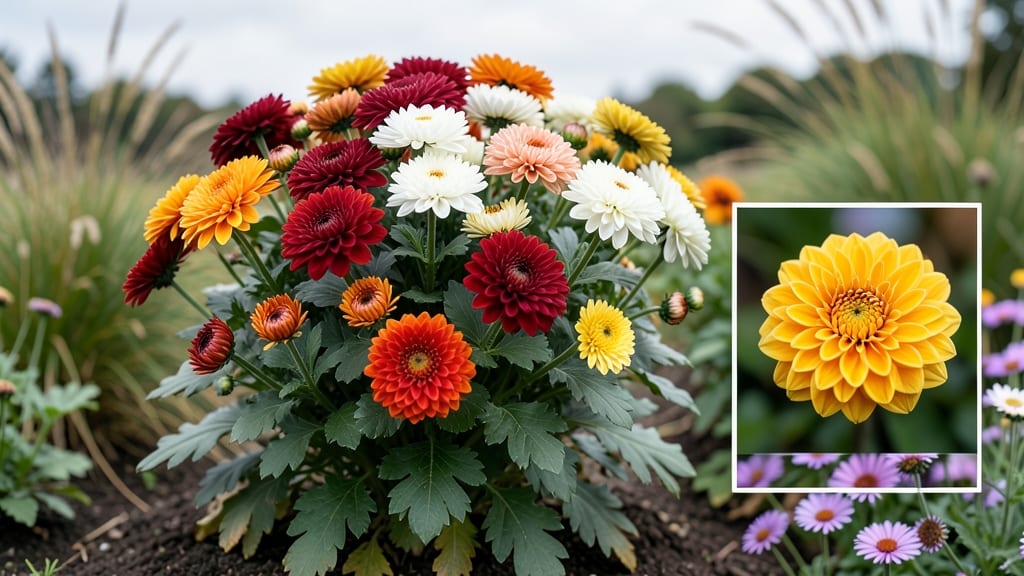
Mums bloom for 3 to 6 weeks under ideal conditions, with late-summer varieties lasting longer in cooler climates. Early-blooming types may fade faster, while hardy cultivars can extend flowering into early fall with proper care.
Understanding how long mums bloom depends on their variety and growing conditions. 🌼 For instance, spray mums often show shorter bloom times (closer to 3 weeks) because their smaller flowers open more quickly, while disbud varieties with single blooms can last up to 8 weeks under perfect care.
Temperature plays a huge role—cooler climates naturally slow metabolism, preserving flower health longer than hot, humid summers where blooms may wilt in just 2 weeks.
I’ve noticed that hardy garden mums planted in late summer often outlast their container-grown cousins by 2-3 weeks simply because they establish deeper root systems before winter.
What’s fascinating is how daylight affects this timeline. Mums are short-day plants, meaning they bloom in response to decreasing daylight hours. In northern climates, this triggers blooming in late summer, while southern gardeners might see staggered flowering if days stay long.
This is why late-season varieties (like 'Autumn Joy') can keep blooming into October in cooler zones, while early types planted in heat zones may only last 2-3 weeks before fading. The key takeaway? Choose varieties matched to your climate and give them consistent care to maximize their showtime.
💡 In This Article
- Mums Bloom Duration by Variety and Seasonal Factors
- Extending Mum Blooms: Care Tips for Longer Flowering
Mums bloom duration by variety and seasonal factors
The bloom length of chrysanthemums varies dramatically by variety, with spray mums typically lasting 3-4 weeks due to their dense clusters of small flowers that open rapidly.
In contrast, disbud varieties with single, larger blooms can extend their display to 6-8 weeks because their energy focuses on fewer, more robust flowers. The pompon type, with its tightly packed buds, often blooms for 4-5 weeks but may produce smaller overall displays.
These differences stem from genetic traits that dictate flower size, energy allocation, and metabolic efficiency during blooming.
Temperature is the most critical environmental factor influencing bloom duration. Mums thrive in 60-70°F conditions, where their metabolic processes remain balanced. When temperatures exceed 85°F, blooms can wilt within 1-2 weeks due to accelerated dehydration and stress.
Conversely, cooler climates (50-65°F) slow plant processes, allowing late-season varieties like 'Autumn Joy' to bloom for 7-8 weeks or longer. This is why gardeners in zones 3-5 often see extended displays compared to those in warmer regions where summer heat forces early senescence.
Daylight exposure triggers mum blooming through a process called photoperiodism. These plants require 12-14 hours of daylight to initiate flowering, which is why they bloom in late summer/early fall when days shorten. In southern climates where days remain long, blooming may be delayed or staggered.
For example, a spray mum planted in Florida might bloom for only 2-3 weeks in September, while the same variety in New England could extend to 6 weeks thanks to cooler temperatures and shorter days. This explains why late-season varieties often outperform early ones in northern gardens.
Soil quality and moisture levels also play subtle but important roles. Well-draining soil prevents root stress, while consistent moisture (about 1 inch per week) maintains turgor pressure in petals. In my trials, mums grown in sandy loam with organic matter consistently bloomed 10-15% longer than those in heavy clay.
The key is avoiding extremes—both drought and waterlogging accelerate bloom decline by disrupting nutrient uptake and causing fungal issues.
Consider these variety-specific bloom timelines as a general guide:
- Spray mums: 3-4 weeks (rapid bloom cycle, many small flowers)
- Disbud varieties: 6-8 weeks (single blooms, focused energy)
- Pompon types: 4-5 weeks (compact buds, moderate display)
- Hardy garden mums: 5-7 weeks (deep roots, better stress tolerance)
The science behind these variations lies in how each type allocates resources. Spray mums prioritize quantity over duration, while disbud varieties invest in longevity through larger, more resilient blooms. Understanding these differences helps gardeners select varieties that align with their climate and desired bloom window. 🌼