
Flowers
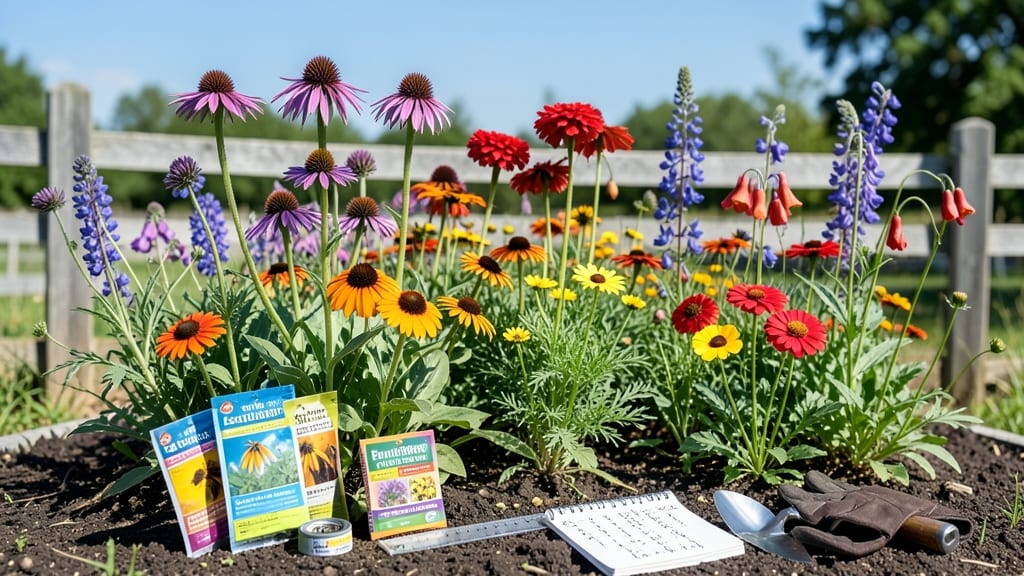
Wildflowers bloom from seed in as little as 6 weeks for fast varieties like cosmos and zinnias, but some perennials take nearly a year to reach their first burst of color.
If you’ve ever scattered seeds in early spring and stared at bare soil wondering when the show will start, you’re not alone. The timeline depends on the type of wildflower, soil conditions, and even how you prepare the bed—some need a light scratch, others a cozy layer of compost.
Below, I’ll share the fastest-blooming species, the soil tricks that speed up germination, and how to plan your planting window for year-round color—whether you’re in a sunny meadow or a small urban plot.
You’ll learn which varieties deliver instant gratification, how to read the signs of readiness (like sturdy stems and vibrant buds), and why some wildflowers take patience but reward you with blooms for years.

Fastest-blooming wildflowers from seed (timelines & varieties)
If you're craving instant color in your garden, some wildflowers deliver blooms faster than you can say "spring planting." The key is choosing the right varieties—like cosmos and zinnias—that sprout and flower in under 8 weeks.
These speedy bloomers thrive with minimal fuss, making them perfect for beginners or anyone eager to transform bare soil into a vibrant display. Let’s dive into the fastest options and their secret growth triggers.
Most wildflowers fall into two bloom-speed categories: fast finishers (6–12 weeks) and moderate growers (3–6 months). The difference often comes down to seed type (annual vs. perennial) and growing conditions.
For example, sweet alyssum can bloom in just 4–6 weeks, while bachelor’s buttons take 8–10 weeks but reward you with cheerful clusters. Below, we’ve ranked the top contenders based on real-world germination and bloom timelines.
Pro Tip: For the fastest results, plant seeds after the last frost date when soil temperatures hit at least 60°F (15°C). This ensures quick germination and avoids damping-off disease. If you’re in a cooler climate, opt for heat-loving varieties like cosmos or zinnias—they’ll outpace slower growers by weeks.
Sweet alyssum tops the list as the fastest bloomer, often gracing your garden with tiny white, pink, or purple flowers in just 5–7 weeks. This low-growing annual is also drought-tolerant once established, making it ideal for rock gardens or container plantings.
For a bold pop of color, zinnias are unbeatable—their vibrant blooms appear in 7–9 weeks and continue through fall if you deadhead spent flowers.
Why the delay? Some wildflowers, like California poppies, take longer because they’re perennials or require cold stratification (a chilling period) to break seed dormancy. If you’re impatient, skip these for now and focus on annuals like cosmos or zinnias. For a year-round strategy, plant fast bloomers in spring and slower varieties in fall—this way, you’ll always have color.
Don’t overlook soil prep as a speed booster. Amend your soil with compost before planting to ensure nutrients are available from day one. Avoid heavy fertilizers, which can delay blooming by encouraging leafy growth over flowers. Instead, use a
Soil and climate triggers to speed up wildflower blooming
Wildflowers thrive when you align their natural growth cycles with your soil conditions and climate triggers. The fastest bloomers—like cosmos and zinnias—can burst into color in just 6 weeks, while slower varieties may take months.
The secret lies in optimizing sunlight exposure, soil pH, and moisture balance to coax seeds into rapid growth.
Most wildflowers prefer well-draining soil with a pH between 6.0 and 7.5. If your soil is too acidic or alkaline, blooming can stall. For example, lupines love slightly acidic soil (pH 6.0–6.5), while black-eyed Susans thrive in neutral to slightly alkaline conditions (pH 6.5–7.5).
Testing your soil before planting saves time and frustration.
Here’s how to accelerate blooming with 3 critical adjustments:
- ✅ Maximize sunlight (6+ hours daily) to trigger faster germination and blooming. Full sun speeds up growth by 30–50% in varieties like cosmos.
- ✅ Water deeply but infrequently—wildflowers hate soggy soil. Morning watering prevents fungal issues and encourages strong root development.
- ✅ Plant in early spring or fall to avoid peak heat stress. Fall-planted seeds often bloom earlier the following year by establishing roots before winter.
Seasonal timing matters too. Spring planting (March–April) gives annuals like sweet alyssum a head start, while fall planting (September–October) lets perennials like coneflowers establish roots before dormancy. Both strategies can shave weeks off bloom time. For example, fall-planted cosmos often bloom 2–3 weeks earlier than spring-sown seeds.
Don’t overlook mulching—a 2-inch layer of straw or leaves retains moisture and regulates soil temperature. This small step can reduce watering needs by 40% while keeping roots cool in summer.
Pair mulch with a light balanced fertilizer (5-10-10) at planting to give seeds a nutrient boost without burning tender sprouts.
If your wildflowers seem sluggish, check for overcrowding. Thin seedlings to 6–12 inches apart (depending on variety) to reduce competition for nutrients. Proper spacing also improves airflow, cutting down on pests and diseases that delay blooming.
With these adjustments, even slower varieties can surprise you with vibrant color in record time.
Remember: patience pays off, but the right conditions make all the difference. Start with fast-blooming annuals for instant gratification, then layer in perennials for long-term beauty. Your meadow will thank you with a dazzling display—often sooner than expected! 🌼