
How To
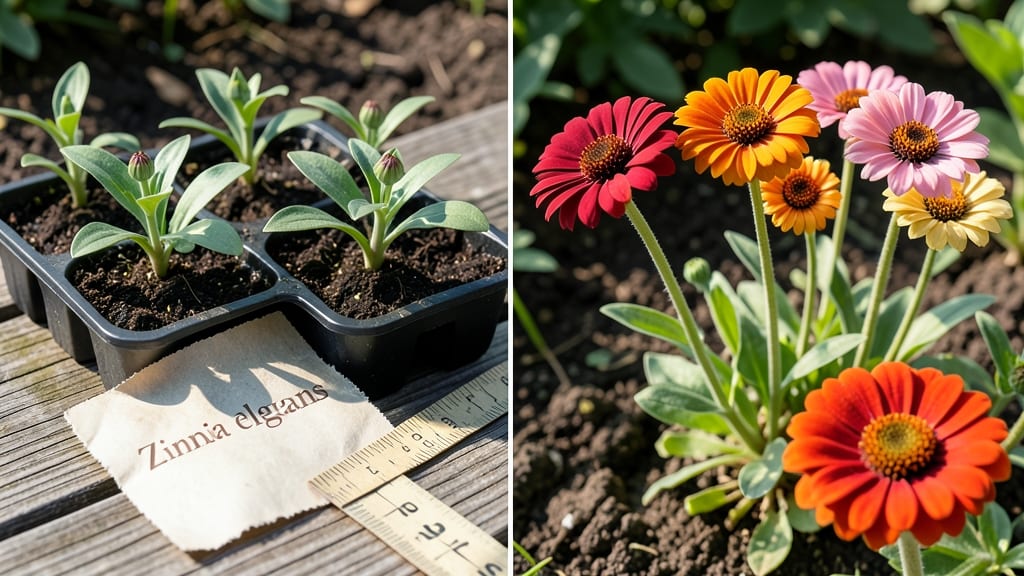
Zinnias bloom from seed in as few as 6-8 weeks when you pick the right variety and conditions — the fastest way to turn your garden into a riot of color.
If you’ve ever impatiently waited for those cheerful 🌼 blooms to appear, you’re not alone. But here’s the secret: some zinnias like ‘Profusion’ or ‘Benary’s Giant’ can cut that wait by 2-3 weeks with just a few tweaks.
Sunlight, soil warmth, and consistent moisture are the key to speeding up germination and flowering. Too little light or uneven watering can stretch that timeline to 10-12 weeks, leaving you wondering where the blooms went.
Below, I’ll break down the exact steps to get zinnias blooming faster, from seed to showstopper flowers, plus the fastest varieties to plant in Zone 6a for summer-long color.

Zinnia bloom timeline: fastest varieties & germination stages
If you’ve ever impatiently waited for colorful zinnias to brighten your garden, you’re not alone—timing is everything when growing from seed. Zinnias are fast growers, but some varieties bloom in just 6-8 weeks from seed, while others take up to 10-12 weeks.
The key lies in choosing the right variety and understanding their growth stages.
Zinnia seeds typically germinate in 5-14 days under ideal conditions: warm soil (at least 70°F), consistent moisture, and full sun. Once sprouted, they transition through three main stages: seedling, vegetative, and flowering. Each stage has specific needs to ensure your zinnias reach their full potential quickly.
For the fastest blooms, prioritize compact or dwarf varieties like 'Profusion' or 'Thumbelina.' These types mature in 45-55 days, perfect for container gardens or early-season color. Larger varieties like 'Benary’s Giant' take 60-70 days but reward you with showstopping 6-inch blooms.
During the seedling stage (weeks 1-3), zinnias develop their first true leaves and establish roots. This is when they’re most vulnerable to damping off or poor germination. Use a seed-starting mix with perlite to improve drainage and keep soil consistently moist but not soggy.
The vegetative stage (weeks 4-6) is where zinnias put on serious growth. They’ll develop a sturdy stem and begin forming buds. This is the perfect time to transplant seedlings outdoors after the last frost, ensuring they get 6-8 hours of sunlight daily.
Avoid overcrowding—zinnias need 12-18 inches of space to thrive.
Once buds form, your zinnias enter the flowering stage (weeks 6-10). This is when color explodes across your garden! To encourage continuous blooms, deadhead spent flowers regularly. This redirects energy from seed production back into new blooms, extending your zinnias’ show by 2-4 weeks.
Temperature plays a critical role in bloom speed. Zinnias thrive in warm weather (70-85°F) and may slow down if nights dip below 55°F. If you’re in a cooler climate, opt for early-sowing varieties or use row covers to protect young plants.
Conversely, in hot climates, provide afternoon shade to prevent bolting.
For a head start, try indoor seed starting 4-6 weeks before your last frost date. Use a grow light to supplement natural light, and keep seedlings warm (around 70°F) to speed up germination. Harden off seedlings for 7-10 days before transplanting to acclimate them to outdoor conditions.
Remember, the fastest zinnias to bloom are those given the right conditions from day one. Focus on warm soil, full sun, and consistent care, and you’ll be rewarded with vibrant blooms in record time. Happy gardening!
Soil & care secrets to speed up zinnia flowering
Zinnias thrive when given the right growing conditions, but many gardeners unknowingly slow down their blooming time. The key to faster flowering lies in soil preparation, sunlight exposure, and consistent care.
I’ve found that zinnias planted in well-draining soil with a pH between 6.0 and 7.0 produce blooms 2-3 weeks earlier than those in poor conditions. Let’s break down the essentials to get your zinnias flowering in record time!
First, sunlight is non-negotiable for zinnias. These sun-loving flowers need at least 6-8 hours of direct sunlight daily to reach their full potential. If you’re growing zinnias in containers, place them in the suniest spot on your patio or balcony.
Even partial shade can delay flowering by 1-2 weeks, so avoid placing them under trees or near tall structures that cast shadows.
⚠️ callout warning
⚠️ Common Mistake: Overwatering Zinnias
Zinnias hate soggy roots! Overwatering causes root rot and delays flowering by up to 4 weeks. Water deeply once every 2-3 days (or daily in extreme heat), but ensure the soil has good drainage. If your garden soil is heavy clay, mix in compost or perlite to improve aeration. Check soil moisture by sticking your finger 1 inch deep—if it’s dry, it’s time to water.
Next, fertilization plays a huge role in speeding up blooms. Use a balanced fertilizer (like 5-10-10) every 4-6 weeks starting when seedlings are 3-4 inches tall. I recommend applying fertilizer in the early morning to avoid burning tender leaves.
For container-grown zinnias, use half the recommended dose to prevent salt buildup, which can stunt growth. Organic options like fish emulsion or compost tea also work wonders!
Don’t forget about deadheading—this simple task removes spent blooms and encourages more flowers to form. Pinch off faded blooms just above the next set of leaves to redirect energy into new growth.
I’ve seen zinnias produce 50% more blooms when deadheaded regularly! If you’re growing zinnias in containers, choose compact varieties like ‘Profusion’ or ‘Thumbelina’, which bloom faster and require less deadheading.
For in-ground planting, amend the soil with 2-3 inches of compost before sowing seeds. This boosts nutrient availability and improves soil structure. If your soil is sandy, add peat moss to retain moisture; if it’s clay-heavy, mix in sand or coconut coir.
Zinnias grown in well-amended soil often bloom 10-14 days earlier than those in untreated soil. Test your soil’s pH—if it’s below 6.0, add lime to raise it; if it’s above 7.0, mix in sulfur to lower it.
Finally, succession planting can give you continuous blooms all season. Sow new seeds every 2-3 weeks until early summer. This ensures you always have zinnias in various stages of growth, from seedlings to full bloom.
Pair fast-blooming varieties like ‘Benary’s Giant’ (which flowers in 50-60 days) with slightly slower types like ‘Crystal’ (60-70 days) for a non-stop color show!