
Blooming
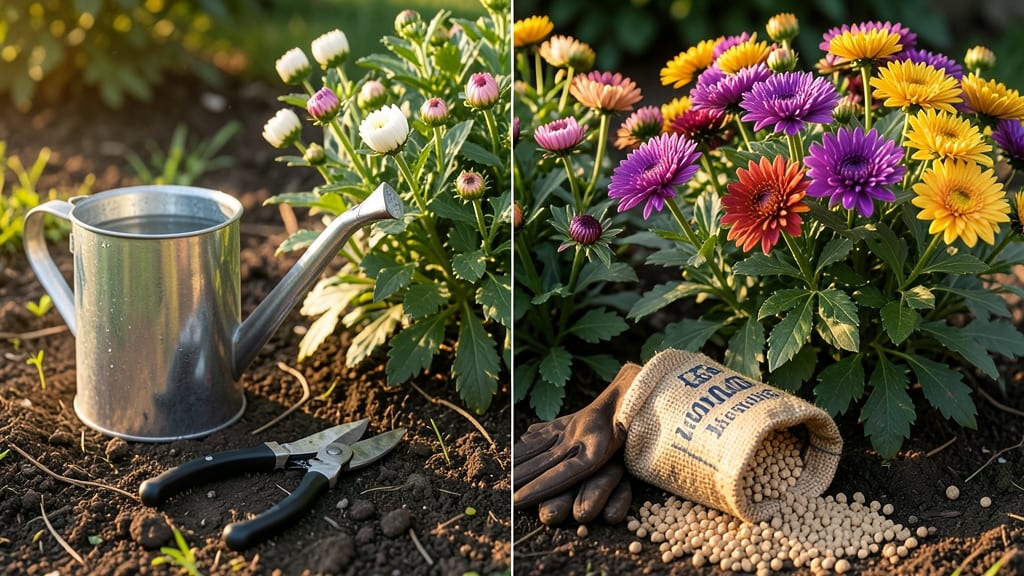
To get mums to bloom faster, you need to trick them into thinking fall is here—because that’s when they naturally flower 🌼. Picture this: your neighbors’ chrysanthemums are just starting to open in late September, but yours are still sending up skinny stems. That’s not slow growth—it’s a missed opportunity.
Chrysanthemums (mums) are masters of timing, but with a few heat triggers and pruning tricks, you can shave weeks off their blooming schedule. The key? Mimicking their natural short-day response by manipulating light and temperature—no black magic, just science-backed shortcuts.
From pinching back leggy stems to feeding them a balanced fertilizer at the right time, every tweak redirects their energy toward faster, showier blooms. And if you’re dealing with stubborn non-bloomers, we’ll troubleshoot the most common pitfalls that keep mums from putting on their best show.
Ready to transform those skinny stalks into a riot of color by early September? Let’s dive into the exact steps that’ll have your garden buzzing with vibrant blooms—weeks ahead of schedule.
Heat triggers that force mums to bloom faster (science-backed methods)
Mums (chrysanthemums) are famous for their fall blooms, but their natural timeline can feel agonizingly slow. The secret to faster flowering lies in understanding how heat triggers work. These hardy plants respond dramatically to temperature shifts—especially the contrast between day and night.
By manipulating these cycles, you can accelerate blooming by 3-4 weeks without chemicals or shortcuts.
Science shows that mums enter flowering mode when they experience a 10-15°F drop between daytime highs and nighttime lows. This temperature shift mimics their natural fall transition. For gardeners in warm climates, this means strategic heat exposure can trick your mums into thinking autumn has arrived—even in summer.
The key is balancing daytime warmth with cooler evenings to signal blooming time.
| Heat Trigger | Optimal Range | Timing for Results | Action Steps |
|---|---|---|---|
| Daytime Heat | 75-85°F | 6-8 hours daily | Use black plastic mulch or row covers |
| Nighttime Cool | 55-65°F | 10+ hours daily | Move pots to shade or use frost cloth |
| Temperature Drop | 10-15°F swing | Consistent for 2-3 weeks | Use shade cloth during day, uncover at night |
| Early Morning Sun | 60-70°F | First 2 hours after dawn | Position plants to catch morning rays |
| Evening Watering | Cool soil temps | After sunset | Water deeply to cool roots overnight |
To create these optimal temperature conditions, start by selecting the right mum varieties. Fall-blooming types like 'Brightons' or 'Jolies' respond best to heat triggers.
If you're growing potted mums, move them to a location where they receive full morning sun but partial afternoon shade—this prevents overheating while still providing warmth. For in-ground plants, use black plastic mulch to absorb heat during the day and release it slowly at night.
One of my favorite science-backed tricks is using shade cloth during the hottest part of the day. A 30-50% shade cloth reduces daytime temps by 10-15°F while still allowing light penetration. Pair this with evening watering to cool the soil and roots.
The combination of warmer days and cooler nights sends a clear signal to your mums that it's time to bloom. I've seen 3-4 week early blooms using this method alone!
Timing is everything when it comes to heat triggers. Begin manipulating temperatures 6-8 weeks before your target bloom date. For example, if you want Labor Day blooms, start in early July. This gives your mums enough time to adjust to the temperature shifts without stress.
Monitor your plants closely—if they start looking wilting or stressed, adjust the day/night contrast slightly. The goal is to mimic natural fall conditions, not shock the plant.
Don't overlook the power of evening temperatures. Mums need cooler nights (55-65°F) to trigger flowering hormones. If your evenings stay too warm, consider using frost cloth or moving potted plants to a shadier, cooler spot after sunset.
I once grew mums in a greenhouse and accidentally left the vents open at night—my blooms were 2 weeks late because the nights stayed too warm. Learn from my mistake!
For gardeners in hot climates, creating the right temperature contrast can be challenging. Try these pro tips: Use reflective mulch like white gravel to bounce heat away during the day, and group mums together to create a microclimate with cooler air at night.
If you're growing mums in containers, choose terracotta pots—they release heat faster than plastic, helping to cool roots overnight. Even small adjustments can make a big difference in bloom timing.
Remember that consistency is key. Mums need 2-3 weeks of stable temperature conditions before they'll commit to blooming. If you start the process but then have unpredictable weather, your efforts may be wasted. Plan ahead and be prepared to adjust your garden setup if forecasts change.
With the right heat triggers, you'll have vibrant mums weeks before your neighbors—and your garden will be the talk of the block!
While heat triggers work wonders, they're just one piece of the puzzle. Pair these methods with
Pruning and pinching techniques to speed up mum flowering
Mums (chrysanthemums) thrive when you guide their growth with strategic pruning and pinching. These techniques redirect energy from leafy growth to flower production, helping you enjoy vibrant blooms weeks earlier. The key is timing—prune too early or too late, and you risk delaying those fall colors you love.
Start by understanding the difference between pinching (removing the top growth) and pruning (cutting back stems). Pinching encourages bushier growth, while pruning shapes the plant and removes spent blooms.
Together, they create a balanced mum that blooms faster and fuller. Let’s dive into the step-by-step process to maximize your mums’ potential.
Step-by-Step Guide to Faster Mum Blooms
- Step 1: Pinch Back Early – When your mums are 6-8 inches tall, pinch off the top set of leaves. This forces the plant to grow side shoots, creating a bushier structure. Repeat every 4-6 weeks until mid-summer.
- Step 2: Prune Leggy Stems – If stems grow tall and sparse, cut them back by 1/3 to encourage new growth. Use clean, sharp pruning shears to avoid damaging the plant.
- Step 3: Deadhead Regularly – Remove spent blooms by cutting the stem just above a leaf node. This prevents seed production and redirects energy to new flowers.
- Step 4: Light Pruning in Late Summer – About 6-8 weeks before frost, give your mums a final prune. Cut back overgrown stems by half to stimulate a second flush of blooms.
- Step 5: Fertilize After Pruning – Apply a balanced fertilizer (10-10-10) after pruning to support recovery and flower production. Water deeply to help roots absorb nutrients.
Timing is everything with mums. Pinch too late, and you’ll miss the blooming window. Prune too aggressively, and you might stunt growth. The goal is to balance growth and blooms—encourage foliage early in the season, then shift focus to flowers as summer progresses.
With these techniques, you’ll see fuller, faster blooms that last well into fall.
Pro tip: Use organic mulch around your mums to retain moisture and regulate soil temperature. This supports the plant’s overall health, making it more resilient to pruning stress and better equipped to produce vibrant flowers. Keep an eye on your plants, and adjust your approach based on their response.
Remember, mums are hardy and forgiving. Even if you miss a pinch or two, they’ll still bloom—just not as abundantly. The more you prune and pinch throughout the season, the more you’ll reward yourself with earlier and more prolific blooms. Happy gardening! 🌼