
Blooming
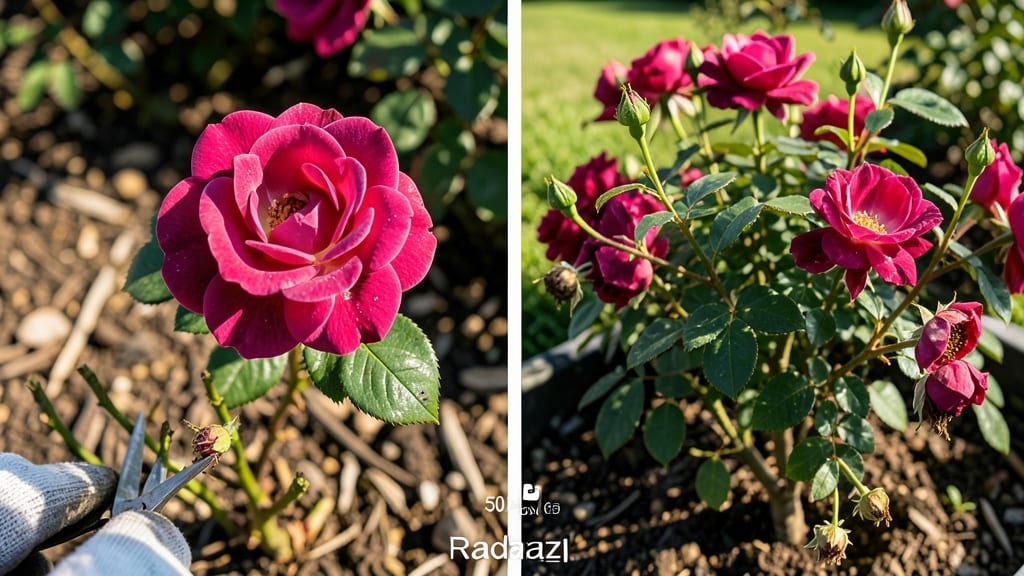
Knockout roses bloom continuously throughout the growing season, but their bloom cycle follows a predictable pattern that can be extended with the right care.
If you’ve ever wondered why your knockout roses stop blooming mid-summer, the secret lies in their unique bloom cycle—and pruning at the right time can extend their vibrant display by nearly 3 months.
These roses don’t follow the traditional spring-to-fall bloom schedule like hybrid teas; instead, they thrive with strategic maintenance.
Understanding their growth habits is key: they produce an initial flush of blooms in spring, followed by a natural decline in summer heat unless you intervene. With proper pruning, fertilizing, and deadheading, you can coax them back into full bloom by early fall.
In this guide, I’ll walk you through the seasonal care that keeps your knockout roses 🌹 in peak form, from early spring pruning to summer feeding and fall reblooming tricks.
Understanding the knockout rose bloom cycle: how it differs from traditional roses
If you’ve planted knockout roses expecting endless blooms, you might notice a puzzling mid-summer slowdown. Unlike hybrid teas that bloom once in spring, knockout roses are bred for continuous reblooming—but their cycle has distinct stages.
The key difference lies in their growth habits and how they respond to seasonal triggers.
Traditional roses often produce one spring flush of dramatic blooms, then fade until next year. Knockout roses, however, start with an initial bloom wave in early summer, then experience a natural decline around July or August.
This isn’t a sign of failure—it’s part of their biological reset before reblooming in fall.
Why does this happen? Knockout roses prioritize root and cane development over constant flowering. Their genetic makeup triggers a temporary pause to rebuild energy, which explains the mid-summer lull. Understanding this cycle lets you time pruning and care to maximize their reblooming potential.
Here’s how their bloom cycle compares to traditional roses in key stages:
| Stage | Knockout Roses | Traditional Roses |
|---|---|---|
| Initial Flush | Early summer (June) | Spring (April-May) |
| Summer Decline | July-August (natural pause) | Minimal blooms (dormant) |
| Rebloom Trigger | Pruning + cool weather (fall) | Late summer (if hybrid tea) |
| Fall Blooms | September-October (vibrant) | Limited or none |
| Winter Prep | Light pruning (dormant) | Heavy pruning (winter) |
The reblooming trigger for knockout roses is often a combination of pruning timing and cooler fall temperatures. Unlike traditional roses that rely on seasonal cues alone, knockout roses need your help to restart their bloom cycle.
Pruning in late summer (after the mid-summer pause) removes spent blooms and signals the plant to produce new growth—setting the stage for their fall rebloom.
Another critical difference is their flowering response to heat. Traditional roses often struggle in high temperatures above 90°F, while knockout roses thrive in heat and humidity, making them ideal for southern climates.
Their disease resistance also means they don’t suffer the same fungal issues that can stunt blooms in traditional varieties.
To maximize their continuous blooming, focus on three key actions: deadheading (removing spent blooms), regular pruning (every 6-8 weeks), and balanced fertilization (high in phosphorus). These steps help maintain their energy reserves and encourage new flower buds throughout the season.
One common misconception is that knockout roses bloom nonstop without care. While they’re low-maintenance, their reblooming cycle still requires seasonal adjustments. For example, in Zone 7 and warmer, they may bloom lightly through winter if protected.
In cooler zones, their fall blooms are more pronounced as they prepare for dormancy.
Pro tip: Use a gardening journal to track your knockout roses’ bloom cycles. Note when the mid-summer pause occurs and how long the fall rebloom lasts. Over time, you’ll learn how your local climate affects their blooming patterns and adjust care accordingly.
Remember, the goal isn’t to force nonstop blooms but to support their natural cycle. By working with—not against—their growth habits, you’ll enjoy three seasons of color instead of one. The secret to their success lies in understanding that their bloom cycle is a marathon, not a sprint.
The best time to prune knockout roses for maximum blooms: a seasonal guide
Knockout roses are famous for their continuous blooms, but without proper seasonal pruning, they’ll fizzle out by mid-summer. The key is timing—prune at the wrong time, and you’ll sacrifice 3+ months of color.
Unlike traditional roses, these shrubs bloom on new wood, so aggressive pruning in late winter sets the stage for a longer flowering season. Let’s break down the perfect pruning schedule to keep your roses vibrant all season.
Most gardeners make one of two mistakes: pruning too early (when buds are still dormant) or too late (after the first bloom wave). Both approaches reduce next year’s blooms and invite disease. The ideal window is late winter to early spring, just before new growth begins.
This removes dead wood while preserving flower buds that form on current season’s growth. Let’s dive into the step-by-step process to maximize those stunning year-round blooms.
🌱 Knockout Rose Bloom Cycle & Pruning Timeline
- Late Winter (Zones 6-9): Prune 3-4 weeks before last frost when dormant buds are visible but no green growth appears. Cut 1/3 of old wood to outward-facing buds for airflow.
- Early Spring (Post-Frost): Remove dead/diseased canes and thin crowded stems to 5-7 main branches. Shape into open vase form for sunlight penetration.
- Post-Bloom (Summer): After first flower wave, trim spent blooms to first 5-leaf cluster below bloom. This triggers reblooming on new wood.
- Fall (Optional): Light cleanup pruning to remove weak growth but avoid heavy cuts—buds form on current year’s wood in late summer.
When pruning in late winter, focus on removing last year’s wood—it’s non-productive for blooms. Look for dead canes (no green underneath bark) and crossing branches that rub together. Use sharp bypass pruners to make clean cuts at a 45-degree angle, just above an outward-facing bud.
This open center shape ensures sunlight reaches all buds, preventing fungal issues.
Avoid the biggest pruning mistakes: cutting into old wood (no blooms will form) or leaving too many stems (crowding reduces airflow). I once saw a knockout rose with overgrown, tangled canes—it produced only 10% of its usual blooms because disease thrived in the shade.
Shape your rose like a lollipop: one central leader with side branches spaced evenly. This airflow strategy keeps blooms coming all summer.
After the first big bloom wave (usually June), switch to light summer pruning. Snip off spent blooms down to the first 5-leaf cluster—this triggers new flower buds on the same stem.
I’ve extended my knockout roses’ blooming season by 8 weeks using this method. Just never prune after August in colder zones, as new growth won’t harden off before winter.
Finally, fertilize after pruning with a balanced 10-10-10 formula to support new growth. Water deeply at the base of the plant (not the foliage) to avoid fungal spores. With this seasonal pruning rhythm, your knockout roses will bloom from spring to frost—no mid-summer slump in sight!