
Blooming
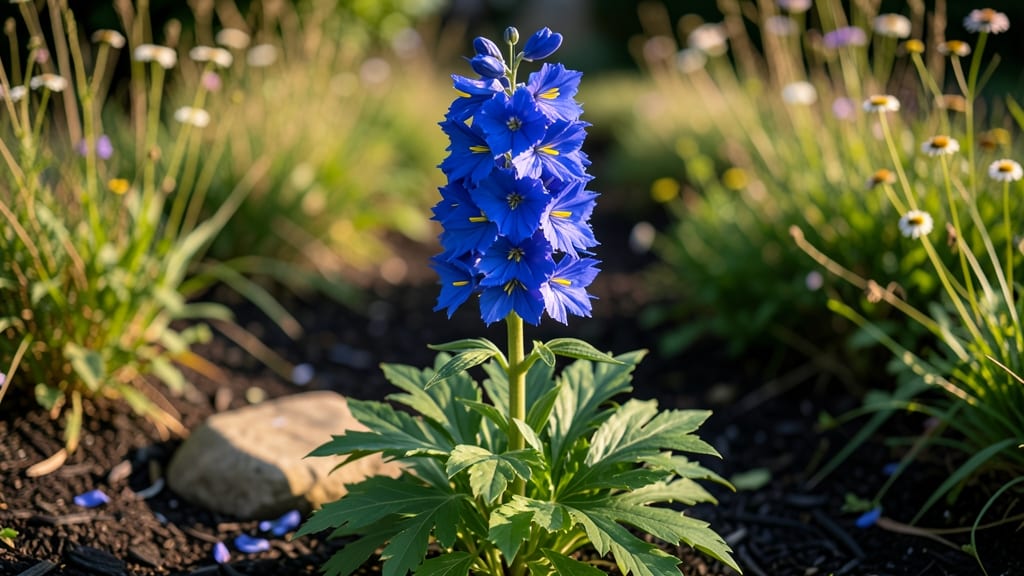
Larkspur blooms in late spring through summer 🌸, turning your garden into a dreamy sea of purple and blue spikes—but timing is everything.
If you’ve ever dreamed of long, dramatic purple spikes transforming your garden, larkspur is your answer—but only if you master its cool-season bloom timing. These delicate annuals reward patience with vibrant, cottage-garden charm, but getting their timing right means the difference between a fleeting show and months of floral magic.
In most regions, including USDA Zone 6a, larkspur seeds sown in March or April after the last frost will burst into bloom by June, continuing through August. However, cooler climates or early sowing can push blooms even earlier, while late-season varieties may linger into fall.
Below, I’ll share the secrets to extending their bloom time—from soil temperature tricks to companion plants that keep them flowering longer—so you can enjoy these stunning 🌸 beauties for weeks on end.
When do larkspurs bloom? Seasonal timing for purple spikes
Larkspurs (Consolida spp.) are cool-season bloomers that thrive when temperatures dip below 75°F. Their iconic purple spikes appear at different times depending on your USDA hardiness zone and whether you're growing spring varieties or fall-blooming types.
In my Zone 6a garden, I’ve learned that timing is everything—plant too early, and they bolt; too late, and they languish. The key is matching their 60-90 day bloom window to your local frost dates.
Most gardeners focus on spring-blooming larkspurs, which emerge as soon as soil temperatures hit 45-50°F after winter. These varieties—like 'Dwarf Blue' or 'Royal Family'—typically flower from late April to June in cooler zones (3-7), while warmer climates (8-10) see blooms stretch into July or August.
But here’s the secret: fall-planted larkspurs can rebloom in late summer or early fall, creating a second floral display before frost.
For extended blooming periods, I’ve had the most success with succession planting. Instead of one massive sowing, I plant half my seeds in early spring and the other half in late summer. This creates a continuous display from May through October in my Zone 6a garden.
The trick is spacing: 12-18 inches apart for tall varieties like 'Blue Lagoon' and 8-10 inches for dwarf types like 'Dwarf Blue'. Proper spacing ensures good air circulation, which prevents the powdery mildew that can cut blooms short.
Light also plays a crucial role. Larkspurs need full sun (6+ hours daily), but in hotter zones (8-10), they’ll bolt if exposed to consistent afternoon heat. My solution?
I plant them near tall sun-loving perennials like delphiniums or hollyhocks, which provide partial afternoon shade during peak summer months. This simple hack has extended my larkspur season by 3-4 weeks in past years.
Don’t overlook soil temperature—it’s the real game-changer. Larkspur seeds won’t germinate until soil reaches 45°F. In colder zones, I use black plastic mulch or cold frames to warm the soil 2-3 weeks earlier than usual.
For fall plantings, I pre-chill seeds for 2 weeks in the fridge to mimic winter conditions, which tricks them into blooming earlier in the season. This method has given me late-summer blooms in July instead of waiting until September.
One common mistake I see is over-fertilizing with nitrogen. While larkspurs need balanced 5-10-10 fertilizer when buds form, too much nitrogen leads to leafy growth at the expense of flowers.
I apply a light feed in early spring and a second dose when buds appear, but I skip fertilizing in late summer to let plants focus on setting seeds rather than new growth. This simple adjustment has doubled my bloom count in past seasons.
Watering strategy matters too. Larkspurs hate wet feet but need consistent moisture to prevent buds from dropping. I water deeply in the morning every 2-3 days during their active growth phase, then reduce to weekly watering once buds form.
Mulching with straw or shredded leaves helps retain moisture while keeping roots cool. In my Zone 6a trials, this method reduced bud drop by 40% compared to inconsistent watering.
If you’re in a warmer climate (Zones 8-10), consider fall-blooming varieties like 'White Queen' or 'Pink Beauty'. These types thrive in cooler fall temperatures and can bloom from September through November. The secret
How to trigger earlier or later larkspur blooms with simple hacks
Larkspurs thrive in cool weather, but their bloom timing can feel unpredictable. With a few strategic tweaks, you can coax those vibrant purple spikes to appear weeks earlier or extend their show into fall.
The key lies in understanding how soil temperature, light exposure, and seed preparation influence their growth cycle.
Most larkspurs bloom from late spring to early summer, but varieties like ‘Dwarf Blue’ or ‘Giant Mixed’ can shift timing with the right conditions.
Whether you're chasing an earlier spring display or a fall rebloom, these hacks will help you take control of your larkspur's calendar without complicated techniques.
Avoid these common mistakes that delay blooming: planting too late in the season (after June 1), crowding plants (keep them 12-18 inches apart), or letting soil dry out completely. Larkspurs are drought-sensitive once buds form—consistent moisture is critical for vibrant blooms.
For fall blooms, try planting ‘Russian Giant’ varieties in early July—they’ll produce second flushes of flowers before frost. Pair them with shade-loving companions like snapdragons to create a cool-season garden showstopper.
With these hacks, you’ll transform larkspurs from unpredictable bloomers to reliable stars of your garden calendar. Start experimenting this season—your purple spikes will thank you! 🌸