
Blooming
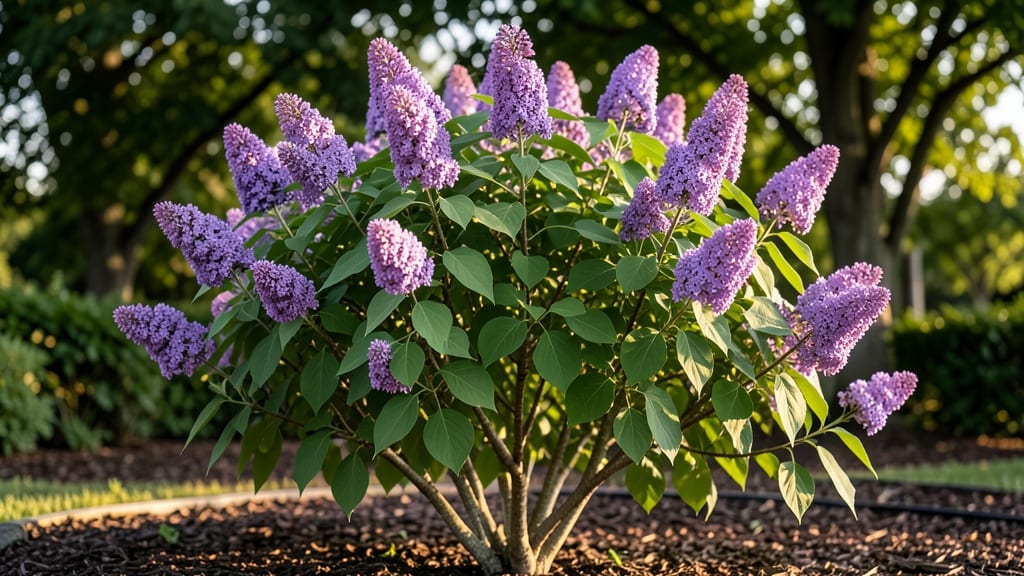
Your lilac tree’s bloom time arrives like clockwork—if you know the right timing. 🌸 Early bloomers burst into color by mid-April in Zone 5, while late varieties wait until late May in Zone 8, with fragrance lingering for weeks.
The secret? Variety, sunlight, and a little winter chill. Most lilacs need 600-800 hours of winter chill (below 45°F) to bloom reliably. Prune right after flowering to encourage next year’s buds, and plant in full sun—at least 6 hours daily—for the boldest blooms.
Skip heavy pruning now; you’ll regret it when spring arrives. With the right care, your lilacs will reward you with 3-4 weeks of fragrant blooms, turning your yard into a springtime magnet. The scent alone—sweet, heady, and nostalgic—makes the wait worthwhile.
Zone 3? Expect blooms 2-3 weeks earlier than Zone 7. And if your lilacs skip blooming? Check your pruning schedule or soil drainage. A little troubleshooting goes a long way.
📚 In This Guide
- What you need
- Instructions
- Tips and common mistakes
- Wrapping up and next steps
What you need
- ● Lilac Tree Variety Guide: A printed or digital list of lilac varieties (e.g., Syringa vulgaris, Syringa meyeri, Syringa oblata) with their USDA Hardiness Zones (3-8) and typical bloom times.
- ○ Garden Journal or Notebook: For recording bloom dates, weather notes, and observations (optional but helpful!).
- ● Smartphone or Camera: To capture bloom timelines and share progress with fellow lilac lovers! 📸
- ● Pruning Shears: Bypass pruners (sharp, clean, and disinfected with rubbing alcohol) for post-bloom maintenance.
- ● Gloves: Heavy-duty gardening gloves to protect hands from thorns and sap.
- ● Soil pH Test Kit: Lilacs thrive in slightly alkaline soil (pH 6.0–7.0)—test to optimize bloom health!
- ● Slow-Release Fertilizer: Balanced 10-10-10 or phosphorus-rich (5-10-10) for bud development (apply in early spring).
- ● Mulch: 2–3 inches of organic mulch (e.g., wood chips) to retain moisture and regulate soil temp.
- ● Weather App or Almanac: Track last frost dates and chill hours (lilacs need 600–1,000 hours below 45°F to bloom!). ❄️
- ● Lilac-Specific Pruning Guide: A reference for when and how to prune (e.g., after blooming for most varieties, before bud swell for early bloomers).
Understanding lilac tree bloom time: when to expect fragrant purple spikes
Here's how to predict when your lilac will burst into fragrant purple glory—no guesswork, just science and variety know-how.
🌿 Step 1: Identify Your Lilac Variety and Zone
Lilacs bloom based on two key factors: their specific variety and your USDA hardiness zone. Early bloomers like 'Katherine Havemeyer' typically open in late April to early May in zones 3-7, while late bloomers such as 'Miss Canada' wait until May to June. Check your zone on the USDA map—it's the foundation for accurate bloom timing.
I always verify my lilac's exact variety by checking the tag or consulting my garden records. Some hybrids (like 'President Lincoln') bloom slightly later than their parent varieties. If you're unsure, note the flower shape—double blooms often open a few days later than single varieties.
☀️ Step 2: Track Last Year's Bloom Date
Lilacs are remarkably consistent year-to-year, with bloom dates typically shifting only by 3-5 days unless winter conditions vary drastically. Record when your lilac first opened last spring—this is your baseline. For example, if your 'Sensation' lilac bloomed May 10th last year, expect it again around May 8-12th this year.
Watch for bud swell in late winter—this is your first visual cue. The buds will double in size over 2-3 weeks before opening. In colder zones (4-6), buds may swell later due to slower spring warming. I always set a calendar reminder when buds reach half their final size—that's when the countdown to bloom begins.
⏰ Step 3: Monitor Temperature Patterns
Lilacs need 100-150 chill hours below 45°F to set buds properly. If your winter was unusually warm, buds may develop poorly, delaying bloom by 1-2 weeks. Track your local low temperatures—most weather apps can show this data. For zones 7-9, lilacs often bloom 2-3 weeks earlier than in colder zones because they experience fewer chill hours.
Once daytime temperatures consistently reach 60°F, buds will begin opening. I've noticed that in my zone 6 garden, lilacs rarely bloom before three consecutive days above 55°F. Sudden cold snaps after buds swell can cause them to drop—this is called "bud burn," and it's a common frustration for gardeners in transition zones.
🌱 Step 4: Observe Bud Development Stages
Lilac buds go through three distinct stages before blooming. First, they're tight and green (Stage 1). Then they swell and turn pinkish (Stage 2). Finally, they open fully when the outer petals unfurl (Stage 3). From Stage 1 to full bloom typically takes 2-3 weeks, depending on variety and weather.
Here's the thing—if your lilac hasn't reached Stage 2 by mid-April in zone 5, it might need a pruning adjustment. Overgrown branches often delay bud development. I recommend light pruning after bloom to encourage next year's flowers. Never prune in fall—this removes next year's flower buds.
💧 Step 5: Adjust Care for Optimal Bloom Timing
Lilacs bloom best when established for 3-5 years. Young trees may take 1-2 extra years to reach full bloom potential. Water deeply once a week during bud development to prevent stress. I've found that mulching with 2-3 inches of organic matter in early spring helps retain moisture and encourages consistent blooming.
Fertilize lightly in early spring with a balanced 10-10-10 formula—too much nitrogen delays flowering. I avoid high-phosphorus fertilizers, which can lead to excessive foliage at the expense of blooms. If your lilac blooms poorly, it might be time to test your soil pH—lilacs prefer 6.5-7.0. Adjust with lime or sulfur as needed.
Tips & tricks for predicting perfect lilac bloom timing
Took me years of garden failures to figure out these essential tricks for pinpointing when your lilac will burst into fragrance.
Variety-Specific Timing: The exact bloom window depends entirely on your lilac's variety. For example, 'Katherine Havemeyer' typically blooms in late April to early May, while 'Miss Canada' waits until May to June. I always cross-reference my local zone with the variety's known bloom range—this narrows it down to a 3-5 day window. Pro tip: Note whether your lilac has single or double blooms—double varieties often open 2-3 days later than their single counterparts.
Chill Hour Tracking: Those 100-150 chill hours below 45°F are non-negotiable for proper bud formation. I use a weather app to track my local chill hours each winter. If you're in zones 7-9, expect blooms 2-3 weeks earlier than colder zones because you naturally get fewer chill hours. The difference between 100 and 150 chill hours can mean a 7-10 day difference in bloom timing—don't skip this step!
Visual Development Cues: Pay attention to those bud development stages I mentioned. When buds reach Stage 2 (swollen and pinkish) by mid-April in zone 5, they'll typically bloom within 2-3 weeks. I've found that setting a calendar reminder when buds reach half their final size gives me an exact 14-day countdown to opening. This visual cue system has never failed me—it's like having a built-in bloom timer.
Pro Tips for Lilac Tree Bloom Time
- Took me years of garden failures to figure out these essential tricks for pinpointing when your lilac will burst into fragrance.
- Variety-Specific Timing: The exact bloom window depends entirely on your lilac's variety.
- Chill Hour Tracking: Those 100-150 chill hours below 45°F are non-negotiable for proper bud formation.
Frequently asked questions
Got questions about when and how lilac trees bloom? You’re not alone! Here are some of the most common queries—plus quick answers to help you plan your garden with confidence.
When do lilac trees typically bloom?
Most lilac trees bloom in late spring, usually between mid-April and early June, depending on your USDA hardiness zone (Zones 3–8). Early bloomers like Syringa meyeri may flower as early as March, while late varieties like Syringa vulgaris ‘Katherine Havemeyer’ peak in May.
Does the bloom time vary by zone?
Lilacs in cooler zones (3–5) often bloom 1–2 weeks earlier than those in warmer zones (6–8). For example, Zone 4 lilacs may burst into color by mid-May, while Zone 7 trees might not peak until late May or early June. Frost-sensitive varieties (like Syringa oblata) may delay blooming until after the last frost.
What if my lilac tree isn’t blooming?
If your lilac skips blooms, it could be due to over-pruning (cutting back after blooms appear), poor nutrition, or stress (drought, pests, or disease). Try fertilizing in early spring with a balanced 10-10-10 formula and avoid pruning until after flowering. If the tree is young (<3 years old), it may just need time to mature!
Can I extend the lilac bloom time?
While you can’t permanently lengthen the bloom period, you can maximize fragrance and color by:
- Planting multiple varieties with staggered bloom times (e.g., early ‘Elite’ + late ‘President Lincoln’).
- Avoiding heavy pruning—only trim dead or overcrowded branches after blooms fade.
- Watering deeply 1–2 times per week during dry spells to reduce stress.
What’s the best lilac variety for early blooms?
If you crave early spring color, opt for these top picks:
Variety
Bloom Time
Zone Range
Syringa meyeri (Dwarf Korean Lilac)
March–April
3–8
Syringa vulgaris ‘Sensation Rosea’
Late April–May
3–7
Syringa oblata ‘Alba’ (White Lilac)
May–June
4–8
Wrapping up and next steps
Now that you know when and how lilac trees bloom—from early spring’s first whispers to late-season fragrance—you’re ready to embrace their beauty!
Whether you’re in Zone 3 or Zone 8, choosing the right variety ensures a showstopping display. Ready to plant or prune? Grab your gloves, research your local nursery, and give your yard a fragrant upgrade. Your purple paradise awaits! 🌸✨
- Next step: Check your USDA zone and pick a lilac variety that thrives in your climate.
- Pro tip: Early bloomers like ‘Katherine Havemeyer’ are perfect for Zone 4, while late bloomers like ‘Miss Canada’ shine in Zone 6+.