
Blooming
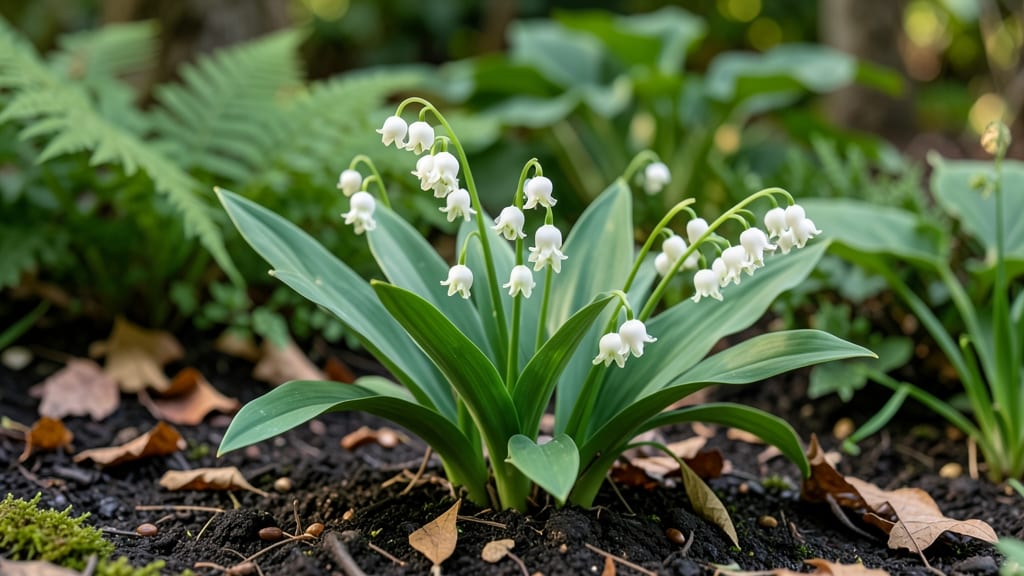
The lily of the valley bloom time is a late-spring spectacle that transforms shady garden corners into fragrant havens—but only if you understand its delicate timing.
Picture this: the first 🌸 clusters of white bells appear in May, their sweet scent lingering for weeks, only to vanish by early summer. But what if you could stretch that magic? The secret lies in knowing when they bloom naturally—and how to nudge them just right.
In USDA Zone 6a, where many gardeners live, blooms typically arrive in late May, but cooler springs or partial shade can delay them. Meanwhile, warmer regions might see flowers as early as April. The key? Light, soil, and a little patience.
Here’s how to predict bloom windows, troubleshoot delays, and—most importantly—extend that intoxicating fragrance by weeks. Let’s dive into the science (and simple tricks) behind it.
Lily of the valley bloom time: natural seasonal patterns & climate variations
The lily of the valley (Convallaria majalis) typically blooms in late spring, usually between mid-April and early June, depending on your region. These fragrant white bell-shaped flowers mark the arrival of spring ephemerals—plants that bloom early before summer heat sets in.
Understanding their natural bloom window helps you plan your garden for maximum fragrance and visual impact.
In USDA Zones 4-7, where lily of the valley thrives, blooms often appear 2-4 weeks after the last frost date. For example, in Zone 5, expect flowers around late April to early May, while Zone 7 gardens may see them 2-3 weeks later.
These seasonal patterns are influenced by temperature shifts, daylight hours, and soil conditions—all critical factors for timing.
🌱 Key Takeaway: Lily of the valley blooms when daytime temperatures consistently reach 50-60°F (10-15°C) and nights stay above 40°F (4°C). Cooler climates may see earlier blooms, while warmer zones might delay flowering until late May or June.
| USDA Zone | Typical Bloom Window | Key Climate Factors | Regional Notes |
|---|---|---|---|
| Zone 4 | Late April - Early May | Short growing season; needs early warmth | Plant in south-facing beds for faster thawing |
| Zone 5 | Mid-April - Late May | Moderate frost risk; blooms after last frost | Mulch heavily in fall to protect rhizomes |
| Zone 6 | Late April - Early June | Stable spring temperatures; longer bloom season | Ideal for woodland gardens with dappled shade |
| Zone 7 | May - Early June | Warmer springs delay blooms until soil warms | Pair with hostas for layered shade garden |
| Zone 8+ | June - July | Hot summers may cause midday wilting; needs afternoon shade | Plant in north-facing borders or under trees |
Sunlight exposure dramatically affects bloom timing. Lily of the valley prefers partial shade—3-6 hours of morning sun and afternoon shade—to prevent heat stress that can shorten flowering. In full sun, blooms may appear 2 weeks earlier but last shorter, while deep shade can delay flowering until late May or June.
Soil temperature is another critical factor. Lily of the valley rhizomes need consistently warm soil (55°F/13°C) to trigger blooming. In cooler climates, mulching with leaf litter or straw in early spring can accelerate soil warming by 1-2 weeks, advancing bloom time. Conversely, wet or cold soils can delay flowering until late May or June.
Daylength also plays a role. These plants are short-day plants, meaning they bloom when daylight hours decrease after the summer solstice. In northern latitudes, this means earlier blooms in April-May, while southern gardens may see June-July flowering due to longer daylight in spring. Adjusting planting depth—2-3 inches deep—can also fine-tune timing by 1-2 weeks.
Climate variations like El Niño years can shift bloom windows by 3-4 weeks. For example, warmer-than-average springs (like in 2023) may push blooms to late March, while cool, wet springs (like in 2020) delayed them until mid-May. Tracking your local last frost date and soil temperature helps predict annual shifts.
To maximize bloom time, ensure your lily of the valley has well-draining, humus-rich soil with a pH of 6.0-7.0. Avoid heavy clay or sandy soils, which can cause stress-related delays.
A light application of compost in early spring provides the nutrients needed for robust flowering without overstimulating growth.
If you’re in a warmer climate (Zone 8+), consider planting in containers to move them to shadier spots during peak summer heat. This prolongs blooming by 2-3 weeks compared to in-ground plantings. Even in cooler zones, container gardening lets you extend the season by 10-14 days with proper care.
🌿 Pro Tip: Mark your calendar for late April to early June—this is when lily of the valley’s fragrance peaks. For longer-lasting blooms, deadhead spent flowers gently (they’re toxic—wear gloves!) and water deeply in morning hours to reduce evaporation stress.
How to extend lily of the valley bloom time: 5 proven techniques
Lily of the valley thrives as a spring ephemeral, blooming briefly but intensely—but with the right care, you can stretch that fragrant display by 2-3 weeks. The key lies in mimicking its natural woodland habitat while avoiding common gardening pitfalls.
Unlike many perennials, lily of the valley responds best to gentle encouragement, not heavy-handed interventions. Let's explore five organic, low-maintenance techniques that preserve both bloom duration and fragrance intensity without stressing your plants.
First, understand that these plants store energy in their underground rhizomes during dormancy. When you disrupt this cycle—through improper pruning or over-fertilization—you shorten bloom time. The goal is to support rhizome health while creating ideal growing conditions.
Start with soil preparation, as lily of the valley demands well-draining, humus-rich soil with a pH between 6.0 and 7.0. Amending your soil with composted leaf mold or well-rotted manure mimics its native forest floor environment and provides the organic matter needed for sustained flowering.
- 🌱 Prune after flowering: Cut back foliage by 1/3 in early summer to redirect energy to rhizomes for next year's blooms.
- 💧 Water deeply but infrequently: Aim for 1 inch weekly—never soggy soil—to prevent root rot while maintaining moisture.
- 🌿 Mulch with leaf litter: Apply 2-3 inches of shredded leaves to retain moisture and cool roots during hot spells.
- ☀️ Provide dappled shade: Use 30-50% shade cloth in intense afternoon sun to prevent leaf scorch.
- 🌸 Plant with hostas and ferns: Companion plants like hostas and Japanese painted ferns create microclimates that extend bloom season.
One of the most effective (yet overlooked) techniques is strategic pruning. Many gardeners make the mistake of cutting back lily of the valley immediately after flowering, but this removes the photosynthesis engines your plants need to recharge their rhizomes.
Instead, wait until early summer—after the foliage yellows—and trim it back by one-third. This practice forces the plant to redirect stored energy into stronger rhizomes, which translates to more robust blooms next spring.
For established clumps, you can even divide rhizomes every 3-4 years in early fall to rejuvenate growth.
Watering plays a surprisingly critical role in prolonging bloom time. Lily of the valley dislikes both drought and waterlogged conditions, so consistency is key. Aim for deep watering once weekly during active growth (spring to early summer), delivering 1 inch of water directly to the soil.
Use a soaker hose or drip irrigation to avoid wetting the foliage, which can promote fungal diseases like powdery mildew. In containers, check soil moisture daily—these plants dry out faster in pots.
A thick layer of mulch (2-3 inches of shredded leaves or bark) helps maintain even moisture levels while suppressing weeds that compete for nutrients.
Don't underestimate the power of companion planting to extend your lily of the valley's bloom window. Pair it with hostas, ferns, or astilbes to create a shade-friendly understory that mimics its native woodland habitat. These companions also moderate temperature fluctuations, protecting delicate blooms from late-season heat spikes.
Another clever trick is to interplant with low-growing bulbs like snowdrops or crocuses, which bloom earlier and later in the season. This layered approach ensures your garden stays fragrant from early spring through late May, with some varieties even reblooming in fall under ideal conditions.
Finally, avoid the temptation to over-fertilize—this is the fastest way to shorten bloom time. Lily of the valley thrives in low-nutrient conditions and responds poorly to high-phosphorus or nitrogen-heavy fertilizers. Instead, apply a light dose of balanced organic fertilizer (5-5-5) in early spring just as new growth emerges.
For even better results, mix bone meal into the soil at planting time to provide slow-release phosphorus, which supports root and flower development. Remember: the goal is to feed the rhizomes, not the foliage.
By following these five techniques, you'll transform your lily of the valley from a fleeting spring spectacle into a fragrant centerpiece that lingers for weeks—without the fuss of high-maintenance care.