
Blooming
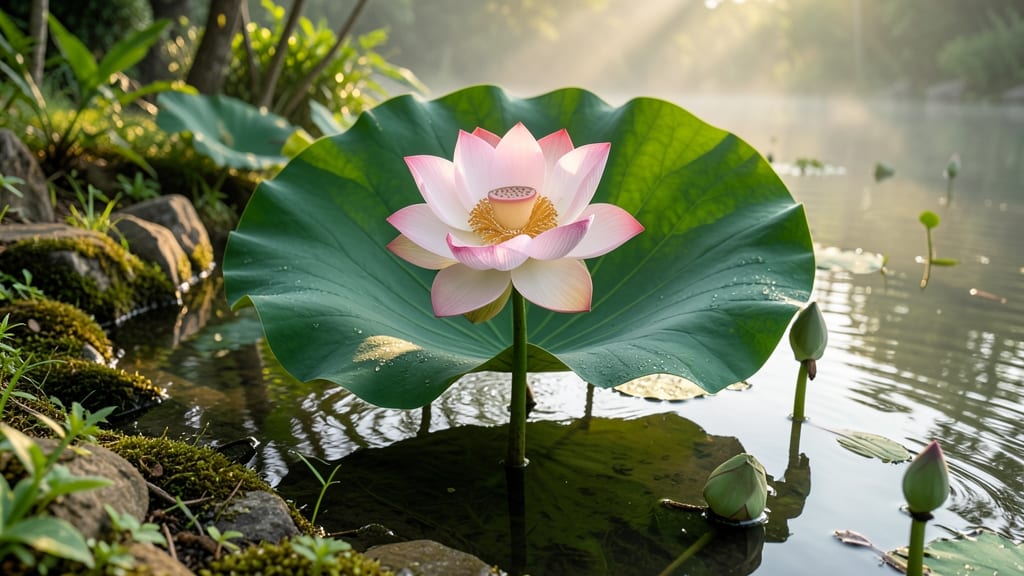
A blooming lotus embodies profound healing through its regenerative petals and spiritual symbolism, serving as a cornerstone in meditation practices, herbal treatments, and sacred rituals that foster emotional equilibrium and physical renewal. Its dual nature—rooted in grounding energy while blooming toward enlightenment—makes it a powerful tool for modern wellness.
The lotus's journey from closed bud to full bloom mirrors personal transformation, making it a potent symbol in ancient healing traditions. 🌸 In Ayurveda, its roots were used to cleanse the body, while Buddhist practices incorporated it to cultivate mindfulness.
Today, lotus-infused teas and essential oils tap into these same properties, offering science-backed benefits like reduced inflammation and stress relief. What makes this plant unique is how its physical attributes—from its waxy petals to its deep roots—directly translate into holistic wellness practices.
For those new to lotus-based remedies, start with simple applications like lotus leaf tea (steep dried petals in hot water) or adding a few drops of lotus essential oil to your bath.
The key is consistency—just as the lotus renews daily, integrating its energy into your routine can create lasting balance. Many modern wellness brands now harness these ancient properties, proving that timeless symbols still hold powerful relevance today.
💡 In This Article
- Lotus Flower Symbolism in Ancient Healing Traditions
- Modern Wellness Uses of Lotus Petals and Roots
Lotus flower symbolism in ancient healing traditions
The lotus's journey from muddy roots to pristine bloom embodies a profound metaphor for healing—its petals emerge spotless each morning, symbolizing rebirth and purity in cultures across Asia, Egypt, and beyond.
In Ayurveda, the sacred lotus (Nelumbo nucifera) was used for its anti-inflammatory properties, with its roots (padma mool) brewed into teas to cleanse vata dosha imbalances, while its flowers were crushed into poultices for skin renewal. 🌿 The Egyptians revered it as the "flower of the sun," linking its golden hue to Ra's healing rays and using lotus-infused oils in mummification rituals to preserve the body's vitality.
Buddhist traditions took this symbolism further, associating the lotus with enlightenment—its closed bud representing the unopened mind, while the bloom signifies awakening. Monks meditated on lotus imagery to cultivate metta (loving-kindness), and lotus seeds were carried as amulets for protection.
The 8-petaled lotus (common in Thai temples) mirrors the Eightfold Path, while the 1,000-petaled lotus (symbolizing perfection) appears in advanced meditation practices. These connections weren't just spiritual; lotus fibers were woven into healing bandages for their antimicrobial properties.
Rituals often incorporated the lotus's dual nature: roots grounding the physical body (used in grounding meditations), while petals uplifted the spirit (burned as incense or placed on altars).
In Tibetan Buddhism, lotus mandalas were drawn with saffron and turmeric—both derived from plants with anti-inflammatory compounds—to create sacred healing spaces. The lotus's ability to thrive in murky waters while remaining untouched mirrors the human capacity for resilience, a core principle in mind-body healing traditions. 💫
Scientifically, the lotus's regenerative properties align with its symbolic power. Its waxy petals repel water and dust, while its roots filter toxins—a natural parallel to the body's detoxification systems.
Modern studies confirm lotus extracts contain flavonoids (like quercetin) that reduce oxidative stress, echoing ancient claims of its "life-force" (prana) balancing effects. The lotus's 24-hour bloom cycle also mirrors circadian rhythms, reinforcing its role in rituals timed to natural cycles.
Consider these key symbolic applications in ancient healing:
- Ayurvedic Cleansing: Lotus root tea (simmered for 15-20 minutes) was used to flush ama (toxins) from the digestive system
- Egyptian Solar Healing: Lotus oil was applied to wounds to accelerate tissue regeneration, leveraging its high linoleic acid content
- Buddhist Mindfulness: Lotus petals were placed on meditation cushions to "open" the practitioner's energy channels
The lotus's versatility in healing stems from its holistic symbolism: roots for stability, petals for purity, and seeds for potential. This trifecta made it the ultimate plant ally in traditions where body, mind, and spirit were inseparable. 🌺