
Blooming
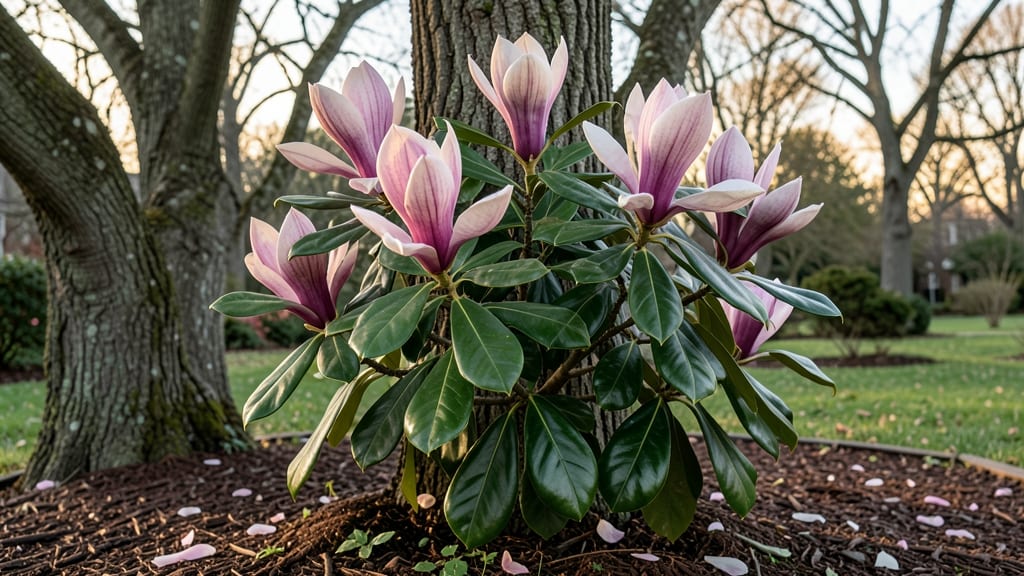
Magnolias bloom at different times depending on their variety and sunlight exposure—some burst into flower as early as late winter, while others wait until summer 🌸.
If you’ve ever wondered why your neighbor’s magnolia is covered in blossoms while yours is still bare, the answer lies in how light triggers their flowering cycles. Understanding these patterns isn’t just fascinating—it’s the key to choosing the perfect magnolia for your garden’s climate and maximizing its bloom potential.
Early bloomers like Magnolia stellata often open their buds in late winter or early spring, while late varieties such as Magnolia grandiflora may not show their flowers until late spring or early summer.
The difference comes down to how each variety responds to daylight hours, temperature shifts, and even soil conditions.
In this guide, I’ll break down how to predict bloom times for your region, share five pro tips to encourage earlier or longer blooms, and debunk common myths about magnolia flowering cycles—so you can enjoy those stunning blossoms for as long as possible.
How light exposure determines early, mid, and late Magnolia bloom times
Magnolias are nature’s living clocks, and their bloom times are directly controlled by day length—a phenomenon called photoperiodism. This scientific process explains why some varieties burst into pink and white blossoms in late winter, while others wait until summer.
Understanding how sunlight exposure triggers flowering can help you predict—and even influence—when your magnolia will bloom.
The key lies in critical day length, the specific number of daylight hours that signal a magnolia to transition from dormancy to flowering. Early-blooming varieties like Magnolia stellata need shorter daylight periods, while late bloomers like Magnolia grandiflora require longer exposure.
Your USDA hardiness zone and local sunlight patterns further refine these timelines.
| Bloom Time | Day Length Trigger | Ideal USDA Zones | Light Needs |
|---|---|---|---|
| Early Spring | 10-12 hours | 4-7 | Partial shade (morning sun) |
| Mid-Spring | 12-14 hours | 5-8 | Full sun to partial shade |
| Late Summer | 14+ hours | 6-9 | Full sun (afternoon shade) |
For example, Magnolia stellata (star magnolia) blooms in late winter or early spring because it responds to shorter daylight periods, often triggered by 10-12 hours of light. In contrast, Magnolia grandiflora (southern magnolia) typically blooms in late spring to summer after experiencing longer daylight hours, often 14+ hours.
Your local latitude plays a huge role. Magnolias in northern climates (like USDA Zone 4) may bloom earlier due to shorter winter days, while those in southern zones (like Zone 9) often wait until summer. Even a 1-degree latitude change can shift bloom times by 1-2 weeks.
Light quality matters too. Magnolias need bright, indirect sunlight to set flower buds the previous summer. If your tree gets filtered light through leaves or reflected sunlight from buildings, it may delay blooming. For optimal results, plant in a spot with morning sun and afternoon shade.
Watch for bud formation in late summer—this is when magnolias prepare for next year’s blooms. If your tree isn’t forming buds, it might need more sunlight exposure or balanced fertilization in early spring. A 10-10-10 NPK fertilizer applied after last frost can encourage bud development.
Late-blooming magnolias often require warmer soil temperatures to trigger flowering. If your area has cool springs, consider planting heat-loving varieties like Magnolia virginiana (sweetbay magnolia) in USDA Zone 5+. These varieties bloom later but thrive in warmer microclimates.
Pro tip: Use a garden journal to track your magnolia’s bloom times over 3-5 years. Note the first frost date, day length changes, and any pruning or fertilizing you’ve done. This data will help you predict—and even adjust—future bloom windows.
Remember, magnolias are perennial plants, meaning their flowering cycles adapt to your local climate over time. With the right light exposure and care, your magnolia can become a reliable seasonal centerpiece for decades to come. 🌸
Best early, mid, and late-blooming Magnolia varieties for your climate Zone
Choosing the right magnolia variety for your garden means aligning bloom time with your local climate. Early bloomers like Magnolia stellata greet spring with delicate flowers, while late bloomers like Magnolia grandiflora bring summer drama. Let’s explore top varieties that thrive in different USDA hardiness zones and sunlight conditions.
Your garden’s microclimate plays a huge role—coastal areas may support late bloomers, while inland zones favor earlier varieties. For example, Magnolia × soulangeana thrives in zones 4-9 and blooms mid-season, while Magnolia virginiana (sweetbay) prefers zones 6-10 for late-summer flowers. Let’s break down the best options for each bloom window.
| Bloom Time | Variety | USDA Zone | Sunlight Needs | Height (Mature) |
|---|---|---|---|---|
| Early Spring | Magnolia stellata (Star Magnolia) | 4-9 | Full sun to partial shade | 15-25 ft |
| Mid-Spring | Magnolia × soulangeana (Saucer Magnolia) | 4-9 | Full sun to partial shade | 20-30 ft |
| Late Spring | Magnolia liliiflora (Lily Magnolia) | 5-9 | Partial shade | 12-20 ft |
| Summer | Magnolia grandiflora (Southern Magnolia) | 6-10 | Full sun to partial shade | 60-80 ft |
| Late Summer | Magnolia virginiana (Sweetbay Magnolia) | 5-10 | Partial shade | 15-25 ft |
For early bloomers, Magnolia stellata is a standout with its pink or white star-shaped flowers appearing in late winter or early spring. This variety thrives in zones 4-9 and handles full sun to partial shade, making it versatile for northern gardens.
Plant it where it gets morning sun and afternoon shade for best results.
Mid-season varieties like Magnolia × soulangeana offer bold saucer-shaped blooms in pink, purple, or white. These magnolias bloom in April or May and are perfect for zones 4-9.
Their fragrant flowers attract pollinators and add early color to gardens. Pair them with spring bulbs like daffodils for a layered look.
If you love summer drama, Magnolia grandiflora delivers with its large, glossy leaves and creamy-white flowers that bloom from June to September. This variety is ideal for zones 6-10 and tolerates humidity and heat, making it a coastal favorite.
Prune lightly in late winter to encourage new growth.
For late-season interest, consider Magnolia virginiana, which blooms in July or August with fragrant white flowers. This wetland-adapted variety thrives in zones 5-10 and prefers partial shade, perfect for rain gardens or near ponds. Its evergreen foliage adds year-round structure.
Pro tip: Adjust planting locations to extend your magnolia’s bloom season. For example, plant Magnolia stellata near a south-facing wall to capture extra warmth for earlier blooms. Mulch around the base with organic matter to protect roots and retain moisture during dry spells.