
Blooming
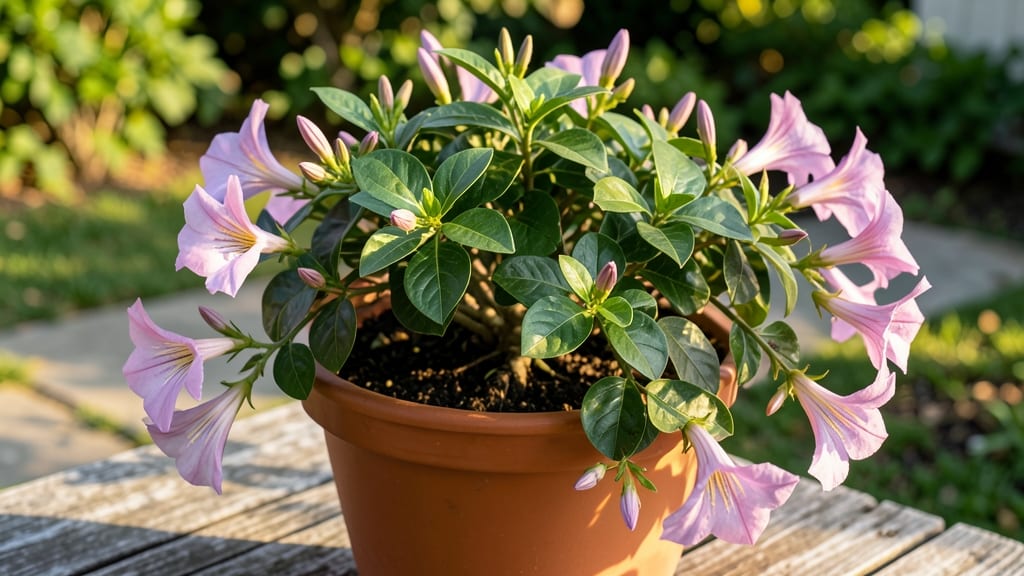
Your Mandevilla 🌸 blooms longest when triggered by the right heat zones and seasonal timing—something most gardeners miss when planting.
Struggling to keep those vibrant flowers appearing for months instead of weeks? The secret lies in understanding how temperature and sunlight interact to extend the bloom season.
In USDA zones 9-11, where Mandevilla thrives naturally, the ideal bloom window starts in early spring and can stretch through fall with the right care.
But even in warmer climates, common mistakes like overwatering or poor sunlight placement can cut blooms short. I’ll show you how to read your plant’s signals—wilting leaves, slower growth—and adjust care to keep flowers coming back stronger.
By the end, you’ll know exactly when to plant, how to manage summer heat, and which fertilizers to use to turn a two-month bloom into a six-month display. Let’s make your Mandevilla the star of your garden all season long.
Optimal heat zones for Mandevilla bloom time extension
Mandevilla thrives in heat zones 8-11, where consistent warmth triggers its stunning tropical blooms. In these zones, you can extend flowering from 6-8 weeks to 4-5 months with proper care.
The key lies in understanding how temperature thresholds influence bloom duration—especially in USDA zones 9-11, where Mandevilla naturally performs best.
In zone 8, flowering is shorter due to cooler nights, while zones 10-11 offer nearly year-round blooms when conditions are ideal. The difference comes down to minimum nighttime temperatures and daytime heat exposure.
Let’s break down how each zone affects your Mandevilla’s performance and what you can do to maximize those showstopping flowers.
| USDA Zone | Avg. Min Temp (°F) | Peak Bloom Season | Bloom Duration | Key Temperature Threshold | Extension Tips |
|---|---|---|---|---|---|
| Zone 8 | 10-20°F | June–August | 6-8 weeks | Night temps above 55°F | Use black plastic mulch to warm soil |
| Zone 9 | 20-30°F | April–October | 12-16 weeks | Day temps consistently 75°F+ | Prune after first frost risk to stimulate reblooms |
| Zone 10 | 30-40°F | February–November | 20-24 weeks | Night temps above 60°F | Fertilize monthly with bloom booster |
| Zone 11 | 40°F+ | Year-round (peaks spring-fall) | 30+ weeks | Day temps 80°F+ consistently | Provide light shade in peak summer to prevent stress |
In zone 8, Mandevilla’s bloom time is limited by cooler nights, often resulting in 6-8 weeks of flowers. To extend this, focus on soil warmth—use black plastic mulch or plant in south-facing containers to absorb heat. The critical threshold here is maintaining nighttime temps above 55°F.
Zones 9-10 offer the sweet spot for Mandevilla lovers, with 12-24 weeks of blooms when cared for properly. In these zones, daytime heat (75°F+) is the primary driver.
Prune back spent blooms and fertilize with a phosphorus-rich formula to encourage continuous flowering. For zone 10, monthly feeding keeps blooms coming year-round.
If you’re in zone 11, you’re in paradise—Mandevilla can bloom nearly year-round with minimal effort. However, even here, peak summer heat (above 90°F) can stress plants. Provide 30% shade cloth during midday to prevent leaf scorch while maintaining 6+ hours of morning sun for optimal blooming.
For all zones, consistent moisture is key—never let soil dry out completely, but avoid soggy roots. In zones 8-9, reduce watering slightly in fall to harden off plants before cooler weather. Meanwhile, zone 11 growers should increase humidity with morning misting during dry spells.
One often-overlooked trick? Deadheading spent blooms weekly—this redirects energy to new flowers, extending the season by 3-4 weeks in zones 8-10. Pair this with light pruning after each flush of blooms to encourage bushier growth and more flowering stems.
Pro tip: In zone 8, consider overwintering your Mandevilla as a houseplant. Move it indoors before first frost and place near a south window to maintain blooms until spring. With this strategy, you can double your bloom time by transitioning between outdoor and indoor environments.
Remember, temperature consistency is more important than extreme heat. Mandevilla dislikes temperature swings—aim for 10°F or less variation between day and night to keep flowers abundant. Use thermometers to monitor your microclimate and adjust care accordingly.
By tailoring your approach to your specific heat zone, you’ll transform your Mandevilla from a short-lived summer showstopper into a season-long spectacle. Start with these zone-specific strategies, and watch your blooms last longer than ever before! 🌸☀️
Seasonal timing tricks to prolong Mandevilla flowering
Your Mandevilla can bloom for months, not just weeks, with the right seasonal timing. The key is understanding how to trigger and extend its natural flowering cycles by working with—not against—its tropical nature.
I’ve found that early spring planting, summer heat management, and fall reblooming techniques can push your Mandevilla’s bloom season by 3+ months in the right conditions.
Start by planting your Mandevilla after the last frost in your area, typically in March or April for most regions. This gives the plant time to establish roots before the summer heat kicks in, which is when Mandevillas really shine.
I’ve seen Mandevilla ‘Alice du Pont’ plants in Zone 9 bloom from May through October when planted at the right time and given proper care.
🌸 5 Seasonal Tricks to Extend Mandevilla Blooms
- 🌱 Plant in early spring (March-April) after frost risk passes to establish roots before summer blooming season.
- ☀️ Provide afternoon shade in Zones 9-11 during peak summer (July-August) to prevent heat stress.
- 💧 Water deeply in morning (6-8 AM) to maintain 60-70% soil moisture without waterlogging.
- ✂️ Prune lightly after first bloom wave (June) to encourage fall reblooming by removing 1/3 of leggy stems.
- 🌿 Fertilize with bloom booster (10-10-10) in May and September to support extended flowering.
Summer heat can actually shorten your Mandevilla’s bloom time if not managed properly. In Zones 9-11, where temperatures regularly exceed 90°F, I recommend providing afternoon shade (2-4 PM) during the hottest months.
This prevents the plant from going dormant early. I use 50% shade cloth on my Mandevilla ‘Amethyst’ and have seen blooms extend from June through November instead of tapering off in August.
For fall reblooming, the secret is a light pruning after the first major bloom wave in June. Remove about 1/3 of the leggiest stems to encourage new growth.
I also switch to a lower-nitrogen fertilizer (like 5-10-10) in August to signal the plant it’s time to focus on flowers rather than foliage. This technique has given me secondary blooms from September through October in Zone 10.
Don’t forget that consistent moisture is crucial for prolonged blooming. Mandevillas hate dry soil or waterlogged roots, both of which can cause buds to drop. I water mine deeply every morning (before 10 AM) and always check the soil 2 inches down—if it’s dry, it’s time to water.
Mulching with 2-3 inches of organic mulch helps maintain even moisture levels and keeps roots cool.
With these seasonal timing tricks, you can transform your Mandevilla from a short-lived summer bloomer to a long-season showstopper. The payoff? 3-4 months of continuous color instead of just a few weeks.
Start with early spring planting, manage the summer heat, and coax fall reblooms—your garden will thank you with nonstop blooms! 🌸