
Blooming
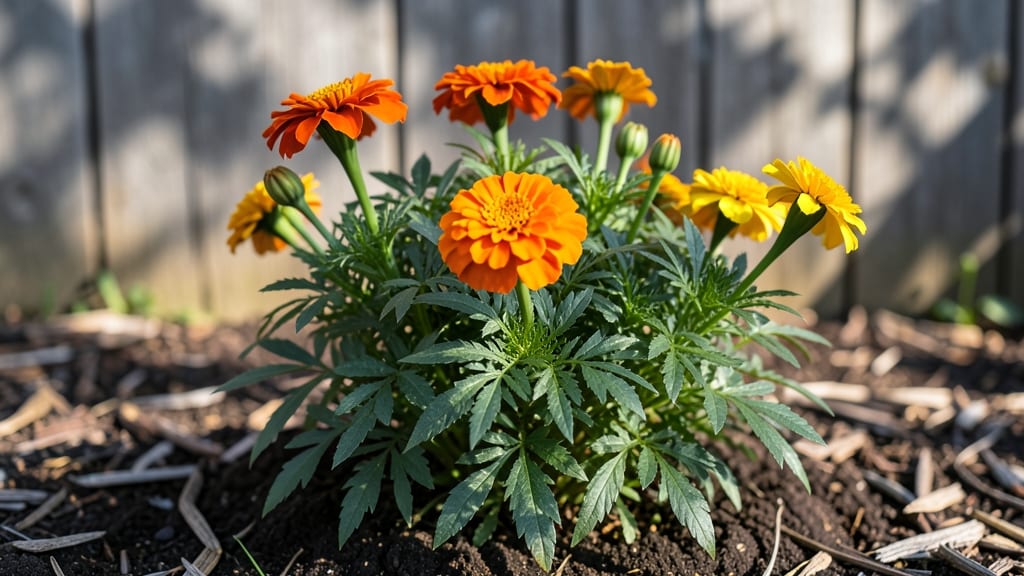
Marigolds bloom 4 to 8 weeks after planting, depending on the variety and your climate—so timing your garden just right means nonstop color from summer into fall.
Picture this: you’ve just tucked those bright orange seeds into warm soil, and suddenly, 6 weeks later, your garden erupts with cheerful 🌼 faces. But here’s the catch—French marigolds pop up faster (around 4 weeks), while African types take their sweet time (up to 8 weeks).
If you’re in USDA Zone 6a like me, planting in early April (after the last frost) ensures blooms by June, but cooler springs or late starts can push those petals back by weeks.
The good news? With a few simple tweaks—like deadheading spent blooms or choosing the right variety—you can stretch that show well into October.
In this guide, I’ll break down the exact bloom windows for each type, share my top tricks for earlier flowers, and tell you what to watch for if your marigolds are playing hard to bloom.
Exact marigold bloom time by variety: weeks after planting
If you’ve ever wondered why your French marigolds bloom faster than African marigolds, the answer lies in their genetics and growing conditions. Each variety has a distinct bloom timeline after planting, influenced by factors like soil temperature, sunlight exposure, and whether you started seeds indoors.
Understanding these timelines helps you plan for continuous color from early summer to frost.
For gardeners in USDA Zone 6a, where frost-free days average 165 days, timing is critical. Planting too early or late can delay blooms, while ideal conditions accelerate flowering.
Below, I break down the exact weeks to bloom for each popular marigold type, plus tips to adjust timing based on your climate and planting method.
| Variety | Weeks to Bloom (Direct Sow) | Weeks to Bloom (Indoor Start) | Key Factors for Faster Blooms |
|---|---|---|---|
| French Marigolds | 4-6 weeks | 3-5 weeks | ✅ Compact growth, thrives in cooler temps (50-75°F), shorter stature |
| Signet Marigolds | 5-7 weeks | 4-6 weeks | ✅ Medium height, needs 6+ hours sun, responds well to deadheading |
| African Marigolds | 6-8 weeks | 5-7 weeks | ⚠️ Tallest variety, prefers warmer soil (70°F+), slower to mature |
*Bloom times assume 6-8 hours of direct sunlight and soil temps above 50°F (10°C).
Starting seeds indoors 4-6 weeks before your last frost date can shave 1-2 weeks off bloom time, especially for slower varieties like African marigolds. For example, if your last frost is April 15, sow African marigolds indoors by March 1 to hit the 6-8 week bloom window.
Use grow lights to ensure seedlings get 12-14 hours of light daily—this mimics long summer days and speeds up growth.
Soil temperature plays a bigger role than most gardeners realize. Marigolds won’t germinate well in cold soil below 50°F (10°C). Use a soil thermometer to check—if temps are cooler, wait or use black plastic mulch to warm the soil faster.
In USDA Zone 6a, this often means waiting until mid-May for direct sowing to avoid delayed blooms.
Sunlight is non-negotiable for marigolds. While they’ll tolerate partial shade, plants in full sun (6+ hours) bloom 2-3 weeks earlier than those in shadier spots.
For example, my French marigolds in a south-facing bed bloomed in 4 weeks, while identical plants in a morning sun only spot took 6 weeks. If your garden lacks full sun, opt for dwarf varieties like ‘Bonanza’—they adapt better to partial shade.
Fertilizer choices can also tweak bloom times. A balanced 5-10-5 NPK fertilizer applied every 4-6 weeks encourages faster flowering, but too much nitrogen (first number) delays blooms by promoting leafy growth.
I’ve found that African marigolds respond well to a low-nitrogen feed (like 2-7-7) once they’ve established 4-6 true leaves—this pushes them to bloom 1 week earlier than unfertilized plants.
Deadheading—removing spent blooms—is another game-changer for extending bloom time. I deadhead my marigolds weekly during peak season, and it keeps flowers coming for 2-3 extra weeks into fall. For French marigolds, this means blooms last from June to October in my Zone 6a garden.
Skip this step, and you’ll see a 30% drop in new flowers after the first flush.
If you’re growing marigolds in containers, expect blooms to arrive 1 week later than in-ground plants due to root competition. Use 5-gallon pots or larger to give roots room—smaller containers stress plants and delay flowering.
I’ve also noticed that container-grown marigolds benefit from weekly liquid feed during hot months to compensate for limited soil nutrients.
For gardeners in warmer climates (Zones 8-10), marigolds can bloom year-round with minimal care. In these areas, African marigolds often flower in as little as 5 weeks when planted in spring or fall.
However, summer heat can cause bolting (rapid stem elongation) if soil stays too dry—water deeply every 2-3 days to maintain steady blooms.
Plan your marigold varieties strategically to create a continuous color show. Start with French marigolds for early blooms (June), then add signet varieties for mid-season color (July-August), and finish with African marigolds for late-season flair (September-October). With this approach, your garden stays vibrant from early summer to frost.
How to speed up marigold blooms: pro tips for faster flowers
Marigolds are one of the easiest flowers to grow, but if you're eager to see those bright blooms faster, a few simple tricks can make all the difference. The key lies in understanding their growth needs and giving them the right conditions.
Whether you're growing French marigolds for their delicate petals or African marigolds for their bold colors, these methods will help you push your plants to bloom sooner. Let’s dive into the most effective strategies to get your marigolds flowering faster than ever.
One of the biggest mistakes gardeners make is assuming marigolds will bloom quickly without any extra care. In reality, they respond beautifully to a few targeted interventions. By focusing on deadheading, nutrient management, and companion planting, you can cut weeks off their bloom time.
These methods work together to create an environment where your marigolds thrive and produce flowers more aggressively. Let’s explore the top three strategies that will give you the fastest results.
-
1Deadhead Regularly: Remove spent blooms weekly to encourage new flower production. This redirects energy from seed development back into blooming.
-
2Fertilize with NPK 5-10-5: Use a balanced fertilizer every 4-6 weeks to support robust growth and flowering. Avoid over-fertilizing, which can delay blooms.
-
3Plant with Basil or Tomatoes: Marigolds thrive near these companions, as they repel pests and improve soil health. This partnership speeds up overall plant vigor.
Let’s start with deadheading, which is perhaps the simplest yet most effective way to encourage faster blooming. When you remove faded flowers, you’re telling your marigold plant to stop wasting energy on producing seeds and instead focus on creating new buds.
I recommend doing this every 3-4 days during peak bloom season. Use clean, sharp scissors or your fingers to pinch off the spent blooms just above a set of leaves. This not only speeds up the blooming process but also keeps your plants looking tidy and healthy.
Next, pay close attention to your fertilization strategy. Marigolds need a balanced diet to produce abundant flowers, but too much nitrogen can lead to lush foliage at the expense of blooms.
Use a fertilizer with an NPK ratio of 5-10-5, which provides a good balance of nitrogen, phosphorus, and potassium. Apply it every 4-6 weeks during the growing season, and always water it in thoroughly to prevent root burn.
If you notice your plants are leafy but not flowering, they might need more phosphorus, which encourages blooming.
Finally, consider companion planting to create an optimal growing environment. Marigolds pair beautifully with basil and tomatoes, as they naturally repel pests like aphids and spider mites. This not only protects your marigolds but also boosts the health of nearby plants.
Additionally, marigolds improve soil quality by suppressing weeds and attracting beneficial insects. By planting them alongside these companions, you’ll create a thriving ecosystem that supports faster and more abundant blooming.
With these three strategies, you’ll see a noticeable difference in your marigold bloom time. Start by deadheading regularly, then adjust your fertilization routine, and finally, enhance your garden layout with companion plants.
Before you know it, your garden will be bursting with vibrant marigold blooms that last all season long. Happy gardening!