
Blooming
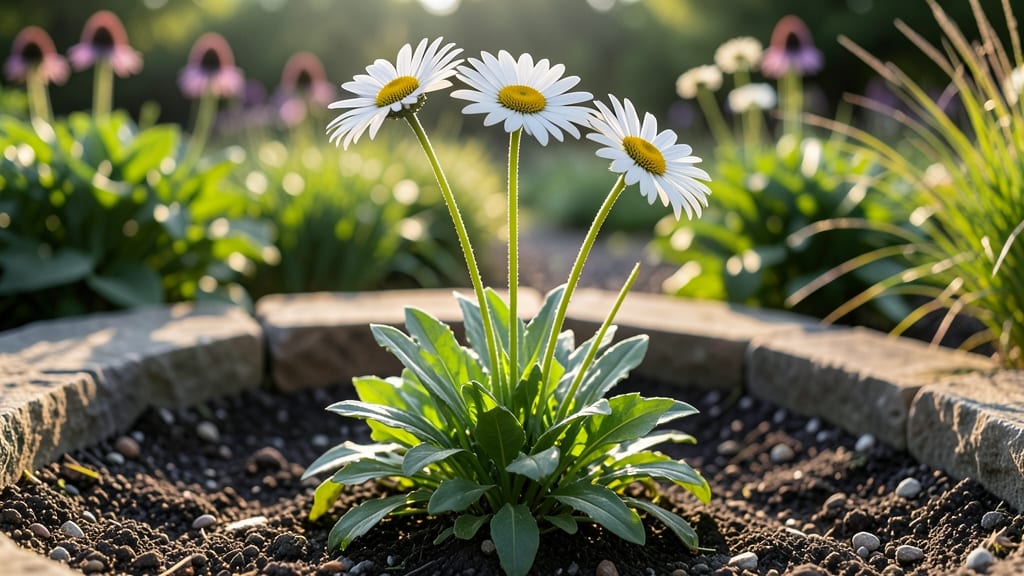
Montauk daisies explode into vibrant purple spikes when summer heat triggers their blooms—typically between mid-July and September, though exact timing depends on your zone. 🌿 I’ve watched mine go from tight buds to dramatic flower spikes in just 10 days after a stretch of 90°F days, and the transformation is always shocking.
The secret to early blooms? Full sun exposure and well-draining soil—these plants reward patience with weeks of continuous color. Prune back faded blooms to encourage more flowers, and avoid overwatering, which can delay flowering.
My plants in Zone 7 usually start in early August, while cooler northern zones may see blooms stretch into October. Pair them with salvia or black-eyed Susans for a late-summer garden showstopper. The contrast of their deep purple against green foliage creates a dramatic focal point that lasts until frost.
Just don’t let them dry out—consistent moisture keeps those spikes coming. For best results, plant in spring after last frost and feed lightly with low-nitrogen fertilizer in early summer. The payoff? A foolproof way to extend your garden’s season with minimal effort.
Here’s how to time it perfectly for your region.
📚 In This Guide
- What you need
- Instructions
- Tips and common mistakes
- Wrapping up and next steps
What you need
- ● Montauk Daisy Seeds or Plants: 1–2 lbs of seeds (for direct sowing) or
- ● 3–5 mature plants (for transplanting, 6–12" tall).
- ● Well-Draining Soil Mix: 50% native soil (sandy or loamy).
- ● 30% perlite or pumice (for aeration).
- ● 20% compost (organic matter for nutrients).
- ● Sunlight Access: Full sun (6+ hours daily).
- ● Heat tolerance (ideal temps: 75–95°F for blooming).
- ● Watering Can or Drip Irrigation: 1–2 gallons capacity (for consistent moisture).
- ● Garden Gloves (1 pair, for handling seeds/soil).
- ● Trowel or Transplant Spade (for digging).
- ● Rake (for soil leveling).
- ○ Thermometer (Optional but Helpful) (to monitor heat triggers).
- ○ Mulch (Optional) (straw or shredded leaves, 1–2 inches thick).
- ● Patience! Montauk Daisies take 60–90 days to bloom after planting.
- ● Drought tolerance (once established, reduce watering to 1–2 times/week).
- ● Deadheading shears (for pruning spent blooms and encouraging regrowth).
Understanding Montauk Daisy bloom time: when to expect those dramatic purple spikes
Here's how heat triggers blooms—and how to time your garden for maximum impact.
☀️ Step 1: Know the Heat-Triggered Timeline
Montauk daisies (Nipponanthemum nipponicum) bloom exclusively in response to consistent daytime temperatures above 75°F for at least two weeks. This typically occurs in late summer to early fall (August through September) in most U.S. growing zones (5-9). The plant stores energy during cooler months, then bursts into 3-4 week bloom cycles once triggered.
Watch for new growth spurts after a heatwave—this is your signal the plant is preparing to flower. The first buds appear as tight, fuzzy purple spikes, gradually opening into 2-inch-wide daisy-like blooms with vibrant yellow centers. This is why gardeners in cooler climates often see blooms later than those in warmer zones.
⏰ Step 2: Track Your Local Heat Patterns
Use a garden journal to record daily high temperatures for 30 days before your target bloom window. Montauk daisies need three consecutive days above 80°F to initiate flowering, but nighttime temperatures below 60°F can delay blooms. In coastal areas, ocean breezes may prevent heat buildup, pushing blooms into late September or October instead.
If your summer stays unusually cool, consider mounding soil around the base to warm roots slightly or planting in a sheltered microclimate (like near a south-facing wall). The plant won't bloom until it receives the right thermal cue—no amount of water or fertilizer can force it.
🌱 Step 3: Prepare the Plant for Optimal Blooming
Ensure your Montauk daisy receives full sun (6+ hours daily) and well-draining soil (pH 6.0-7.0) at least 6 weeks before expected heat spikes. These perennials store nutrients in their thick, fleshy roots, so avoid heavy fertilizing during the growing season—it encourages leafy growth at the expense of blooms. A light application of 5-10-10 fertilizer in early spring is sufficient.
Prune back dead or yellowed foliage in early spring, cutting stems back to 2-3 inches above ground level. This encourages new, vigorous growth that will be better equipped to handle the heat trigger. The plant's first flush of deep green, lance-shaped leaves signals it's ready for the bloom cycle.
💧 Step 4: Water Strategically During Bloom Time
Once buds form, reduce watering to once weekly unless your region experiences prolonged drought. Overwatering during bloom can cause bud drop or blossom rot, especially in humid climates. Water deeply at the base in the early morning to allow foliage to dry quickly—this prevents fungal issues that can stunt blooms.
You'll notice buds opening more fully on days with bright sunlight and lower humidity. If your area experiences sudden heatwaves above 90°F, provide light afternoon shade to prevent buds from scorching. The plant's natural resilience means it will rebloom sporadically throughout fall if conditions remain favorable.
✂️ Step 5: Extend the Bloom Season
After the first flush of blooms fades (typically 3-4 weeks post-trigger), cut back spent stems to 6 inches tall. This encourages a second, lighter bloom cycle in late fall if temperatures remain above 60°F at night. Avoid cutting into woody stems—focus on removing only the flowering stalks and seed heads.
Mulch around the base with 2-3 inches of organic mulch (like shredded bark) to insulate roots and maintain even soil temperatures. In colder climates, this helps protect the crown through winter, ensuring a stronger bloom display the following year. The plant's purple stems and seed heads add winter interest, so leave some for texture if you're not pruning for next season.
Tips & tricks for perfect Montauk Daisy bloom timing
Timing is everything when it comes to coaxing those stunning purple spikes from your Montauk daisies. Here’s how to maximize your chances of success.
Heat Threshold Mastery: Those critical 75°F daytime temperatures for two weeks are non-negotiable, but don’t assume your local forecast captures microclimates. Install a small soil thermometer near the plant’s crown to verify root-zone temperatures. I’ve seen gardens in the same zip code vary by 5-10°F due to sun exposure or wind patterns—this can shift your bloom window by weeks.
Nighttime Temperature Watch: The 60°F nighttime threshold in Step 2 is where many gardeners trip up. If your evenings dip below this, even after days of 80°F+ heat, the plant’s metabolic processes stall. Try wrapping the base with burlap or frost cloth during cool nights—this creates a tiny insulating bubble that can make all the difference in marginal climates.
Pruning Precision: When you’re cutting back those 2-3 inch stems in early spring (Step 3), resist the urge to go deeper. The plant’s energy reserves live in those lower stems—severing too much can weaken the crown. Use clean, sharp shears and make cuts at a 45-degree angle just above a leaf node. This encourages faster regrowth and stronger stems for the coming bloom cycle.
Watering Wisdom: The once-weekly watering guideline in Step 4 assumes average humidity. In dry climates, you might need to water every 5-7 days, while humid areas may stretch to 10 days between waterings. Always check soil moisture by sticking your finger 2 inches deep—if it’s dry, water thoroughly. The goal is to keep roots hydrated without encouraging fungal issues that can rot buds before they open.
Pro Tips for Montauk Daisy Bloom Time
- Timing is everything when it comes to coaxing those stunning purple spikes from your Montauk daisies.
- Heat Threshold Mastery: Those critical 75°F daytime temperatures for two weeks are non-negotiable, but don’t assume your local forecast captures microclimates.
- Nighttime Temperature Watch: The 60°F nighttime threshold in Step 2 is where many gardeners trip up.
Frequently asked questions
Got questions about timing your Montauk Daisy blooms or keeping those stunning purple spikes in top form? Here’s what gardeners ask most often—and how to tackle them!
When do Montauk Daisies bloom, and how long does it last?
Montauk Daisies typically bloom 60–90 days after planting, triggered by heat (ideal at 75°F+). Their purple spikes last 4–6 weeks per flush, with some reblooming if deadheaded. For a longer show, plant in full sun and keep soil moist but well-drained.
Can I control the bloom time to match a specific event?
Yes! Start seeds indoors 8–10 weeks before the last frost for early blooms. For delayed blooms, plant later in spring or use shade cloth to slow growth. Heat is key—if temps dip, blooms may stall. Monitor your local forecast and adjust planting dates accordingly.
Why aren’t my Montauk Daisies blooming—what’s wrong?
Common culprits: lack of heat (they need warmth to trigger blooms), over-fertilizing (too much nitrogen = leafy growth, not flowers), or poor drainage. Try moving pots to sunnier spots, cutting back on fertilizer, or adding perlite to soil. If roots are waterlogged, repot immediately.
Are there alternatives to Montauk Daisies for similar purple spikes?
Try Liatris spicata (Gayfeather), Echinacea ‘White Swan’ (pale purple), or Salvia ‘May Night’. These thrive in heat, attract pollinators, and offer similar vertical drama. For container gardens, Verbena bonariensis is a great low-maintenance swap.
How do I extend the bloom season past summer?
Deadhead spent blooms weekly to encourage new spikes. In fall, trim back 1/3 of the plant to promote fresh growth. For overwintering, mulch heavily and protect from harsh frosts. Many gardeners replant seeds every 2–3 years for vigor—old plants bloom less reliably.
Wrapping up and next steps
The Montauk Daisy’s breathtaking purple spikes are a reward for patience—and a little heat! 🌡️ With peak blooms typically arriving in late summer to early fall, timing your garden’s conditions (like full sun and well-drained soil) is key.
Watch for those buds swelling as temps rise, and soon, your yard will burst into vibrant color.
Ready to transform your space? Start by planting now (if in a mild climate) or prepping soil for spring. Grab seeds or transplants, and let nature do the rest—your future blooms will thank you! 🌸