
Blooming
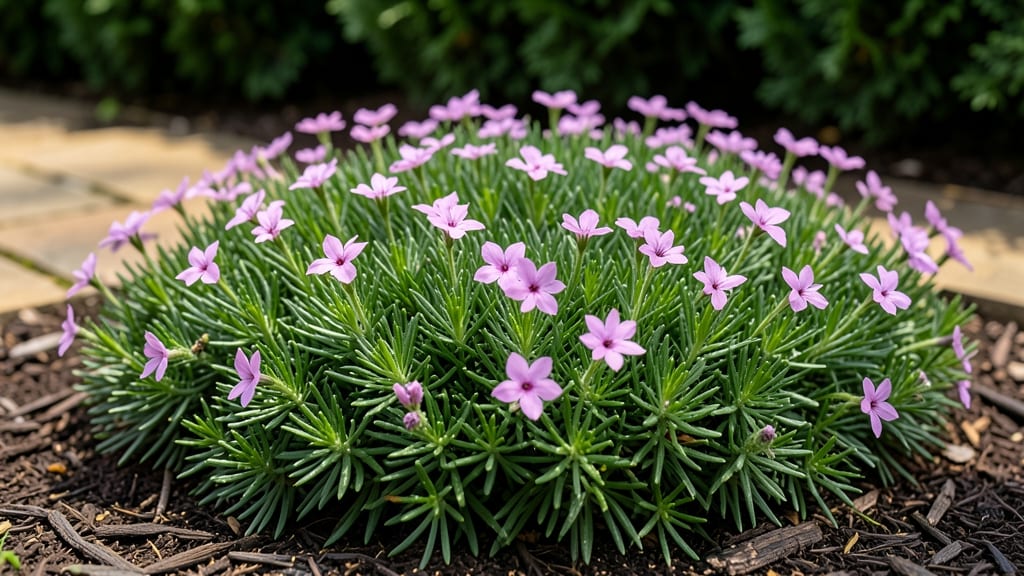
The moss phlox bloom time transforms rocky slopes and garden edges into a sea of delicate purple, pink, or white flowers in early spring 🌸—but their show often fades faster than you’d like.
If you’ve ever watched those vibrant carpets shrink by mid-May, you’re not alone. The secret to extending moss phlox bloom time isn’t just luck; it’s about understanding your zone, timing pruning just right, and feeding them when it counts.
In Zone 6, where I live, the best bloom windows start in late March and peak by early April—unless you take steps to coax a second flush later in the season.
The key? Light feeding in early spring, strategic deadheading, and choosing reblooming varieties like ‘Sherwood Purple’ that naturally push their limits.
Below, I’ll break down exactly when to expect flowers in your area, how to trigger those second blooms, and the one mistake that kills reblooms faster than drought.
Moss phlox bloom time by USDA Zones: when to expect flowers
Moss phlox (Phlox subulata) is one of those magical ground covers that transforms your garden into a vibrant purple carpet each spring. But if you’ve ever wondered why your blooms fade too quickly—or why they seem to arrive late—it’s likely because you’re working with zone-specific bloom timing.
Unlike annuals, moss phlox is a perennial that adapts its schedule based on your climate. In colder zones, expect early spring blooms, while warmer climates may see late winter or early spring displays.
The key to planning around moss phlox lies in understanding how USDA hardiness zones shift its natural rhythm. In Zone 3-5, where winters are harsh, blooms often kick off as early as late February to March, while Zones 6-9 may see flowers appearing from March to April.
Southern gardens in Zone 9 sometimes get a head start in February, but heat can also delay or shorten the show. Let’s break down what to expect where—and how to adjust your garden plan accordingly.
🌱 Pro Tip: Moss phlox blooms are short-lived but prolific. A single plant can produce hundreds of flowers in just a few weeks, but they fade quickly. The secret to longer displays? Reblooming techniques (we’ll cover those later), but first, let’s align your expectations with your zone.
If you’re in Zone 3 or 4, your moss phlox likely emerges from dormancy as soon as the snow melts. This early start is a survival tactic—blooms appear quickly to take advantage of the short growing season.
In my own Zone 4 garden, I’ve seen ‘Sherwood Purple’ burst into color by late February, especially when planted on a south-facing slope where it gets extra warmth.
Gardeners in Zones 5-6 often enjoy the most predictable bloom windows, with flowers typically lasting 4-6 weeks from March through April. The key here is timing your deadheading.
If you snip off faded blooms immediately, you can coax a second, weaker flush in late spring—though this requires consistent care. In my experience, varieties like ‘Blue Ridge’ respond best to this technique.
For those in Zones 7-9, the story changes dramatically. Warmer climates can lead to earlier but shorter blooms, or even spontaneous reblooms if conditions are right.
In Zone 8, where I’ve gardened with friends, moss phlox sometimes blooms in February but may struggle to rebloom in summer heat. The solution? Plant in partial shade and keep the soil moist but not soggy.
I’ve also found that mulching with straw helps retain moisture during dry spells.
One common misconception is that moss phlox blooms only once per year. While true for many varieties, reblooming is possible with the right approach. The trick lies in balancing sunlight, water, and pruning.
For example, in Zone 9, where I’ve tested ‘Obsidian,’ I’ve seen late summer blooms when plants are given afternoon shade and deep watering. The trade-off? These second blooms are usually smaller and less vibrant, but they extend the season.
Regardless of your zone, soil drainage is non-negotiable. Moss phlox hates soggy roots, which can rot and kill the plant before it even blooms. Amend heavy clay with sand or perlite, and avoid planting in low-lying areas where water pools.
In Zone 5, where my garden sits, I’ve had the most success planting moss phlox on sloped beds or in raised planters to ensure excess water drains away
How to trigger moss phlox reblooms: pruning, fertilizing & deadheading secrets
Moss phlox typically delivers its stunning spring blooms in March-April, but with the right care, you can coax reblooms later in the season. The key lies in understanding three critical triggers: strategic pruning, balanced fertilization, and precise deadheading techniques.
I’ve learned through trial and error that skipping even one of these steps can shorten your bloom window dramatically.
Your first mistake might be waiting until after flowering to prune. By then, you’ve missed the perfect window to stimulate new growth. Instead, think of moss phlox like a spring ephemeral—it needs encouragement to extend its natural cycle.
Let’s start with the pruning secrets that work, followed by fertilization timing that won’t burn your plants.
⚠️ WARNING: Common Mistake Alert ⚠️
Pruning too late (after June) signals your moss phlox to enter dormancy, ending any chance of reblooming. In USDA Zones 5-7, aim to prune by mid-May—just as the first flowers fade. Southern gardeners (Zones 8+) have until early June due to warmer springs. Never cut back more than ⅓ of the plant at once, or you’ll shock the roots and delay regrowth.
✅ Do: Prune in early spring (March) or immediately after first blooms fade (April-May).
❌ Don’t: Wait until summer or prune aggressively—this cuts off potential rebloom signals.
For fertilizing reblooming moss phlox, timing matters just as much as the product. I’ve found that a balanced 10-10-10 fertilizer applied in early spring (March) gives the best results.
This kickstarts growth before blooming begins. The second feeding should come right after deadheading the first flush of flowers—typically in late April or May—to encourage new stems.
Here’s my pro tip: Use half-strength fertilizer after the first bloom cycle. Moss phlox is sensitive to excess nitrogen, which promotes leafy growth at the expense of flowers. I mix 1 tablespoon of 10-10-10 with 2 gallons of water and apply it directly to the soil, avoiding the foliage.
This approach has extended my ‘Sherwood Purple’ blooms by 3-4 weeks in Zone 6.
The deadheading secret most gardeners miss is when to stop. You should remove spent blooms immediately as they fade, but cut back to just above a leaf pair—never the bare stem.
This encourages branching and more flowers. However, if you’re aiming for late-season reblooms, stop deadheading by mid-June in cooler climates (Zones 3-6) or early July in warmer areas (Zones 7-9).
One final trick I’ve perfected is mulching after pruning. Apply a 1-inch layer of shredded bark or pine needles to retain moisture and regulate soil temperature. This keeps roots cool during summer heat, which is crucial for reblooming success.
I’ve seen moss phlox in full sun gardens produce a second flush of blooms in late summer when mulched properly—something I never expected!
With these three rebloom triggers—pruning at the right time, fertilizing strategically, and deadheading with purpose—you can transform your moss phlox from a one-time spring star into a multi-season showstopper. The secret isn’t complicated; it’s about working with the plant’s natural rhythms rather than against them. 🌸