
Blooming
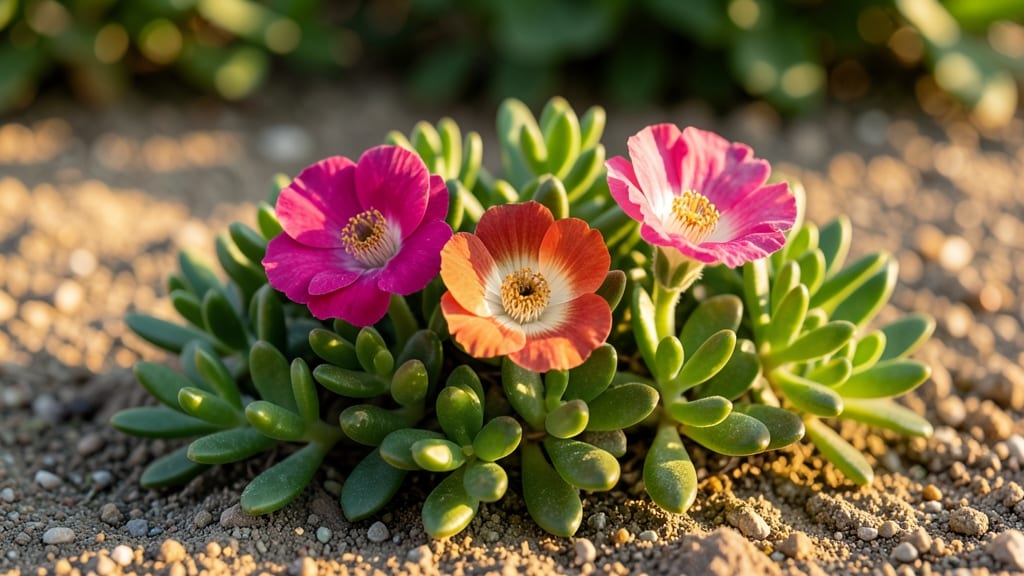
Moss rose bloom time spans late spring through summer, peaking in May and July, though heat-loving varieties like 'Iceberg' can extend blooms into early fall when daytime temperatures stay above 70°F. Consistent warmth acts as the primary trigger for prolonged, vibrant displays.
Understanding moss rose bloom time reveals why these plants thrive in warm climates. 🌸 The 70°F threshold isn't just a number—it represents the temperature where photosynthesis and flower production accelerate.
Varieties like 'Pink Drift' often bloom earlier in spring, while 'Iceberg' holds onto its flowers later because its genetic makeup responds more aggressively to extended warmth. What's fascinating is how consistent temperatures matter more than occasional heat spikes—think of it like training for a marathon rather than sprinting.
This bloom window also explains why gardeners in cooler climates often struggle. The plants aren't just sensitive to temperature—they need 6-8 hours of sunlight daily combined with warm nights to set flower buds. Without this combination, you'll see fewer blooms and more foliage growth.
I've noticed that even in ideal conditions, some moss roses take 2-3 weeks to transition from buds to full bloom, which is why patience pays off when planning your garden's color timeline.
💡 In This Article
- How Temperature and Variety Affect Moss Rose Flowering
- Extending Moss Rose Blooms: Pruning and Care Tips
How temperature and variety affect moss rose flowering
The science behind moss rose flowering starts with their native habitat—coastal regions with mild winters and warm summers. These plants evolved to respond to specific thermal cues, particularly daytime temperatures consistently above 65°F.
When temperatures rise to 70°F or higher, a biochemical process called florigen production kicks in, signaling the plant to form flower buds.
This is why you'll see early bloomers like 'Pink Drift' appearing in late April or early May, while varieties like 'Iceberg' wait until June to really take off.
Nighttime temperatures also play a crucial role. Moss roses need nights that stay above 55°F to prevent flower buds from dropping off. The difference between 50°F and 60°F nighttime temps can mean the difference between a sparse bloom and a lush display.
For example, in Zone 8 climates where nights rarely drop below 60°F, moss roses often continue blooming well into September, while in Zone 5, they may finish by early August. The plant's internal clock also responds to photoperiod—longer daylight hours in summer trigger more aggressive flowering.
Variety-specific responses make all the difference in bloom timing. 'Snowdrift' typically blooms 2-3 weeks earlier than 'Iceberg' because its genetic makeup prioritizes early spring flowering. This early bloomer strategy helps it capitalize on the first warm spells.
Meanwhile, 'Iceberg' stores energy through its roots during cooler months, then bursts into color when daytime temps consistently hit 75°F+. The key difference? Early bloomers like 'Snowdrift' focus on quick reproduction, while late-season varieties like 'Iceberg' prioritize prolonged display.
Sunlight exposure acts as the final piece of the puzzle. Moss roses need full sun (6-8 hours daily) to produce the energy required for flowering. Without adequate light, plants will focus on leaf growth instead of blooms.
I've observed that even with perfect temperatures, moss roses in partial shade produce 30-40% fewer flowers than those in full sun. The intensity of sunlight also affects flower color vibrancy—plants in full sun develop more saturated hues, while those in filtered light often produce paler blooms.
What most gardeners don't realize is how soil temperature affects root activity. When soil stays above 60°F, roots absorb nutrients more efficiently, supporting flower production. In cooler climates, gardeners can extend blooms by using black plastic mulch or heat-absorbing landscape fabric to raise soil temperatures by 5-10°F.
This simple trick can push bloom times by 2-3 weeks in marginal climates.
Finally, the relationship between temperature and humidity creates another layer of complexity. Moss roses thrive in 40-60% humidity—too much moisture can lead to fungal issues that stunt blooms, while dry air can cause buds to drop.
In humid climates like the Southeast, I've found that spacing plants 18-24 inches apart improves air circulation, reducing the risk of bud blight while maintaining ideal bloom conditions.