
Blooming
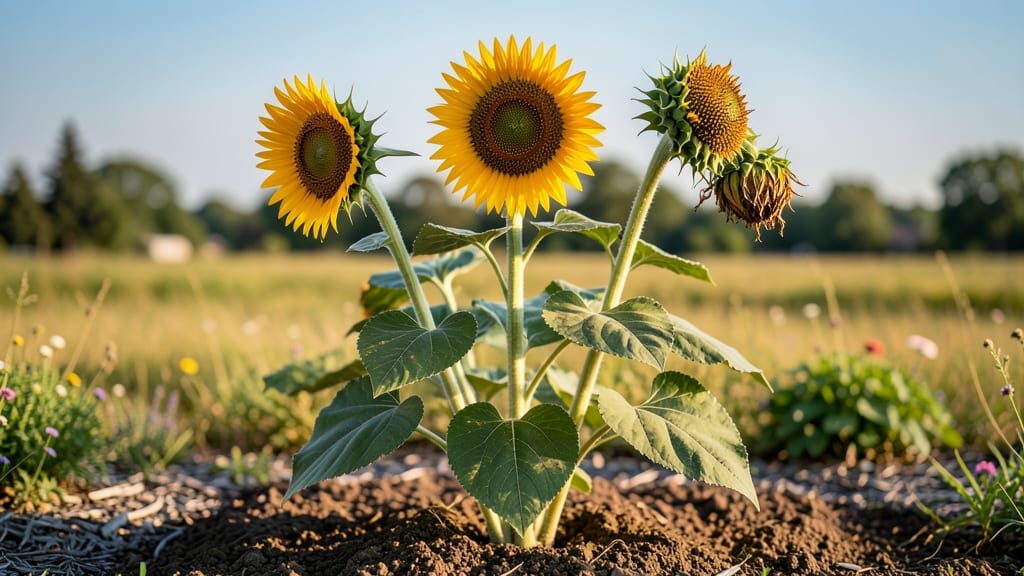
Sunflowers that keep blooming all summer long—no, it’s not magic, but it’s close. 🌻 I’ve grown multiple-bloom sunflowers for years, and the secret lies in heat-triggered reblooming, not just one glorious showstopper.
These varieties produce 3-5 blooms per stem instead of the usual single flower, turning your garden into a golden cascade. The trick starts with the right variety—look for ‘Autumn Beauty’, ‘Moulin Rouge’, or ‘Russian Giant’—all bred to rebloom when temperatures dip after a heatwave.
Plant them in full sun with well-draining soil, and water deeply once a week (more in extreme heat). Fertilize lightly with a balanced 10-10-10 mix when stems reach 3 feet tall, and watch as side buds open one after another.
By mid-summer, you’ll have stems heavy with blooms, each lasting 2-3 weeks before giving way to the next. The key? Deadheading spent blooms and keeping the soil moist but not soggy. Even my black thumb can’t kill these—just follow the heat cues, and they’ll keep flowering until frost.
Works in containers or garden beds, and the seeds are edible too. Here’s how to keep them blooming all season long.
📚 In This Guide
- What you need
- Instructions
- Tips and common mistakes
- Wrapping up and next steps
What you need
- ● Sunflower Seeds: Choose heat-loving varieties like ‘Autumn Beauty,’ ‘Moulin Rouge,’ or ‘Russian Giant’ (known for reblooming).
- ● Quantity: 5–10 seeds per plant (or pre-sprouted seedlings from a nursery).
- ● Growing Containers or Garden Bed: Containers: 12–18" deep pots (1 per plant) with drainage holes. Terracotta or fabric grow bags work best.
- ● Garden Bed: Full sun (6+ hours/day) and well-draining soil (amend with compost if needed).
- ● Potting Mix: Lightweight, well-draining blend (e.g., 50% peat moss, 30% perlite, 20% compost).
- ● Fertilizer: Balanced liquid fertilizer (e.g., 10-10-10) or slow-release granules.
- ○ Optional: Epsom salt (1 tbsp per gallon of water) for magnesium boosts.
- ● Watering Can or Hose: With a gentle spray nozzle to avoid disturbing seedlings.
- ● Pruning Shears: Sharp, clean pair for deadheading and shaping.
- ● Heat Mat: For starting seeds indoors in cool climates.
- ● Shade Cloth: 30–50% coverage to protect seedlings from intense midday sun.
- ● Growth Regulator: Like daminozide (e.g., B-Nine) to encourage bushier growth (follow label instructions!).
- ● Mulch: Straw or shredded leaves to retain moisture and regulate soil temp.
- ● Sunflower Cages or Stakes: For tall varieties (e.g., ‘Russian Giant’).
Instructions: how to coax multiple blooms from sunflowers
Sunflowers can be tricked into reblooming with the right timing and care—here's how to unlock their hidden potential.
🌱 Step 1: Select the Right Varieties for Reblooming
Not all sunflowers rebloom naturally. Focus on multiple-bloom varieties like 'Autumn Beauty', 'Moulin Rouge', or 'Teddy Bear'—these are bred for heat-triggered regrowth. Avoid single-stem types like 'Russian Giant' unless you're prepared to sacrifice primary blooms for side shoots.
Start with 4-6 plants spaced 18-24 inches apart to maximize air circulation and sunlight exposure. Crowded plants compete for resources and produce fewer side blooms. I like to plant mine in full sun (6+ hours daily) from seed or transplants after your last frost date—reblooming depends on consistent warmth.
☀️ Step 2: Deadhead Primary Blooms at the Right Stage
The key to reblooming is removing the first flower head before it fully matures. When the central bloom reaches half its full size (about 3-4 inches wide), snip it off with clean bypass pruners. Leave 1-2 inches of stem attached—this prevents disease entry and encourages lateral buds.
Here's the thing—if you wait until the bloom opens fully, the plant will focus all energy on seed production instead of generating side shoots. Watch for new buds forming along the stem within 7-10 days of deadheading. These will develop into your second (or third!) blooms.
💧 Step 3: Manage Water and Fertilizer for Continuous Growth
Reblooming sunflowers need consistent moisture but hate soggy roots. Water deeply 2-3 times per week until the top 4 inches of soil feel dry. I use a soaker hose to deliver water at the base—this prevents fungal issues that weaken stems and reduce blooming.
Feed with a balanced 10-10-10 fertilizer every 2-3 weeks after deadheading. Too much nitrogen makes plants leafy but flowerless, while phosphorus and potassium promote blooming. Stop fertilizing 4-6 weeks before your first frost—you want mature stems for winter interest, not tender new growth.
✂️ Step 4: Prune Strategically to Encourage Side Shoots
After the first deadheading, watch for secondary stems emerging from the main stem's leaf axils. These are your rebloom candidates. Once they reach 6-8 inches tall, pinch off the top 2-3 inches to encourage bushier growth and more blooms.
Real talk: Don't over-prune. If you cut too aggressively, the plant may redirect energy to recovery instead of flowering. Aim to keep 3-4 strong side stems per plant—these will produce your next wave of blooms. Remove any weak or leggy growth immediately to prevent energy drain.
🌿 Step 5: Extend the Season with Heat and Light Triggers
Sunflowers rebloom in response to heat waves—temperatures above 85°F trigger lateral bud development. If your summer cools off, move potted sunflowers to a sheltered, sunny spot or use a cloche to trap warmth around the stems.
For late-season reblooms, add a grow light for 12-14 hours daily if natural light drops below 8 hours. The combination of warmth and extended light mimics summer conditions and can coax a third (or even fourth!) bloom cycle. Just don't push it—stop all light extensions 6 weeks before frost to harden off plants naturally.
Tips & tricks for perfect multiple bloom sunflowers
Here's what nobody tells you about pushing sunflowers to their blooming limits—these tricks make all the difference between one glorious bloom and a whole season of color.
Variety Matters: Not all sunflowers play by the same rules. The 'Autumn Beauty' and 'Moulin Rouge' varieties I mentioned are specifically bred for reblooming, but even within these types, plant spacing is everything. I've seen gardeners cram plants too close, thinking more sunflowers mean more blooms—until they realize crowded plants fight over sunlight and nutrients, leaving them weak and single-stemmed. Stick to the 18-24 inch spacing and give each plant room to breathe. This isn't just about aesthetics; proper spacing prevents fungal diseases that can creep in through crowded foliage.
Timing is Everything in Deadheading: The 7-10 day window after deadheading is when magic happens—but only if you time it right. I learned this the hard way after snipping too late and watching my plants focus all energy on seed production. Look for that 3-4 inch wide bloom stage, then act fast. Use clean bypass pruners and leave 1-2 inches of stem—this tiny detail prevents disease while signaling the plant to "go for it" with side shoots. Pro tip: Mark your calendar or set a reminder for the 7-10 day mark, because that's when you'll start seeing those precious new buds forming.
Heat Hack for Late Bloomers: Those 85°F heat waves aren't just a suggestion—they're the trigger for reblooming. If your summer cools off, don't give up! Move potted sunflowers to a sheltered sunny spot or use a cloche to create a mini heat dome. I've seen dramatic results by trapping warmth around the stems during cooler evenings. For container growers, consider a small portable greenhouse or even a clear plastic bottle cut in half (with the bottom removed) slipped over the plant stem. This simple trick can extend your blooming season by weeks.
Fertilizer Strategy: The 10-10-10 fertilizer recommendation isn't arbitrary—it's about balance. Too much nitrogen (the first number) makes plants grow lush leaves but forgets to bloom. I've seen gardeners dump handfuls of lawn fertilizer on their sunflowers, only to be left with towering stems and no flowers. Apply that fertilizer every 2-3 weeks after deadheading, and stop 4-6 weeks before frost to let plants mature properly. For an extra boost, mix in a handful of bone meal (high in phosphorus) when you replant—it's like giving your sunflowers a bloom-encouraging pep talk.
Pro Tips for Multiple Bloom Sunflowers
- Here's what nobody tells you about pushing sunflowers to their blooming limits—these tricks make all the difference between one glorious bloom and a whole season of color.
- Variety Matters: Not all sunflowers play by the same rules.
- Timing is Everything in Deadheading: The 7-10 day window after deadheading is when magic happens—but only if you time it right.
Frequently asked questions
about multiple bloom sunflowers—because every gardener deserves a little extra sunshine! Here’s what you’ve been wondering:How do I trigger a second bloom in sunflowers?
Prune back the flower head after the first bloom fades (but before seeds form). Apply a heat shock by moving potted plants to a warm, sunny spot (80°F+) for 2–3 weeks. For in-ground plants, mulch heavily and water deeply to stress roots—this often kickstarts reblooming! Pro tip: Stop fertilizing nitrogen-heavy feeds; phosphorus boosts blooms instead.
When is the best time to prune for reblooming?
Prune immediately after the first bloom wilts (deadhead) but before the stem turns woody or seeds swell. For annuals, aim for late summer (August–early September) in most climates. Perennial varieties (like ‘Moulin Rouge’) may rebloom with pruning in early fall. Warning: Prune too late, and the plant may redirect energy to seeds instead of new flowers.
Can I grow multiple bloom sunflowers from seed?
Yes! Start with reblooming varieties like ‘Autumn Beauty,’ ‘Moulin Rouge,’ or ‘Russian Giant.’ Avoid single-stem types (e.g., ‘Mammoth’). For extra blooms, thin seedlings to 12–18 inches apart and fertilize lightly with 5-10-10 (low nitrogen) once they’re 6 inches tall. Fun fact: Some heirloom varieties naturally produce side shoots—check seed packets for “branching” traits!
Why isn’t my sunflower reblooming after deadheading?
Common culprits: lack of heat (sunflowers need warmth to rebloom), over-fertilizing (too much nitrogen = leafy growth, not flowers), or disease (powdery mildew weakens plants). Check for yellowing leaves (nutrient deficiency) or sticky residue (aphids). Try moving pots to a sunnier spot or applying a compost tea for a gentle boost. Troubleshoot: If stems are woody, reblooming may not happen—start fresh next season!
Are there alternatives to sunflowers for continuous blooms?
Try these reblooming powerhouses:
- Zinnias: Heat-loving and self-seeding; deadhead for nonstop color.
- Cosmos: Drought-tolerant and prolific—cut back stems to encourage bushiness.
- Marigolds: Some varieties (like ‘French marigolds’) rebloom with minimal care.
- Dahlias: Prune back after first blooms for a second flush in late summer.
Wrapping up and next steps
Multiple bloom sunflowers are a gardener’s dream—endless color, minimal effort, and nature’s own magic! 🌻 By mastering heat-triggered rebloom techniques, you can turn one season’s blooms into a year-round spectacle.
Whether you’re a seasoned gardener or a curious beginner, these secrets unlock nonstop beauty with just a little patience and know-how.
Ready to transform your garden? Start small—plant a few sunflowers this season, experiment with deadheading or heat stress, and observe what works best in your climate. Before you know it, you’ll be the neighborhood’s go-to gardener for sunflower magic! 🌟