
Blooming
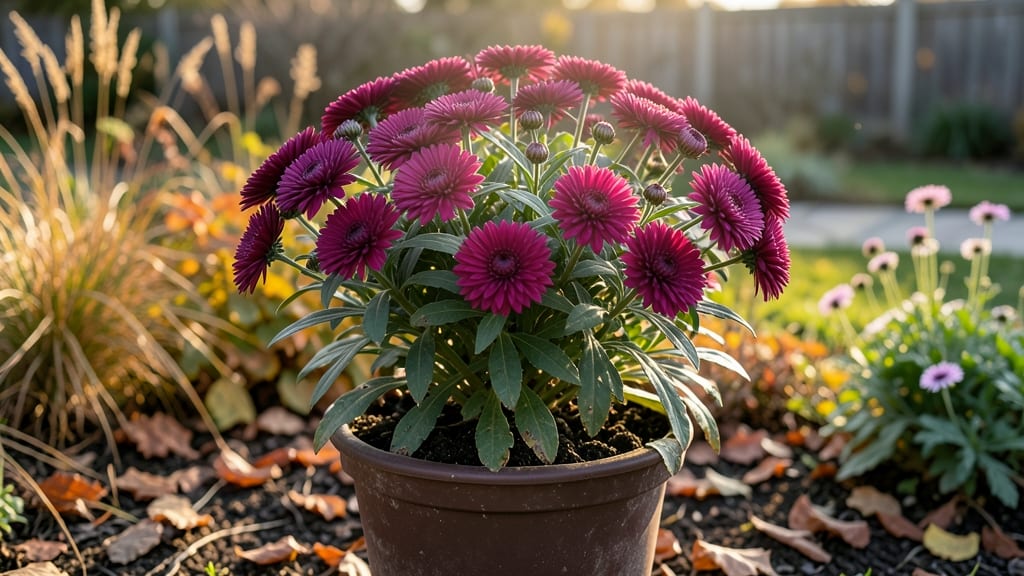
Mums bloom when cooler temperatures arrive, typically lighting up gardens from late summer to frost—but timing depends on your variety and growing zone.
Picture this: you’ve waited all season, and suddenly, your 🌼 chrysanthemums explode into color as the air turns crisp. But what if your zone stays warm too long? Or if you planted the wrong variety? The secret lies in understanding how heat triggers blooms—and how to adjust for your climate.
In USDA Zone 6a (like much of the Midwest), most mums burst into bloom by early September, but heat-loving varieties like 'Autumn Joy' can stretch their show until November. Meanwhile, cooler zones see earlier blooms, while Southern gardens may need extra care to coax flowers at all.
Here’s the game-changer: with the right timing, pruning, and a few pro tips, you can extend that vibrant display for weeks—even in hotter areas. Let’s break down how to sync your mums’ bloom schedule with your local weather.
When do mums bloom by variety: fall vs. spring-blooming types
If you've ever wondered why your Autumn Joy mums bloom later than your neighbor's Mammoth varieties, the answer lies in their heat-triggered biology. Most mums follow a short-day flowering pattern, meaning they need 12-14 hours of darkness daily to initiate blooms.
However, some varieties break this rule entirely, including rare spring-blooming types that defy the seasonal norm. Understanding these differences helps you choose the right varieties for your climate zone and extend your garden's color palette.
Traditional fall-blooming mums typically start flowering between late August and October, but their exact timing depends on when daytime temperatures drop below 75°F (24°C).
Early bloomers like 'Cocorico' may burst into color as early as mid-August in cooler regions, while late-season varieties like 'Autumn Joy' often shine brightest in October and November.
Meanwhile, spring-blooming varieties (like 'Springtime') respond to increasing daylight rather than cooling temperatures, making them ideal for winter gardens in mild climates.
Here’s how to match your mum varieties to your local bloom schedule:
| Variety | Bloom Time | Heat Sensitivity | Notes |
|---|---|---|---|
| 'Cocorico' | Late August - Early September | Moderate | Early bloomer; thrives in Zones 5-9 |
| 'Mammoth' | Mid-September - October | High | Large blooms; needs consistent moisture |
| 'Autumn Joy' | October - November | Low | Late-season; drought-tolerant |
| 'Springtime' | March - April | Very Low | Spring-blooming; ideal for Zones 7-10 |
| 'Bonanza Series' | September - October | Moderate | Compact; great for containers |
For early bloomers like 'Cocorico', the key is planting in early summer (June) so they receive enough daylight hours before temperatures drop. These varieties often bloom 4-6 weeks earlier than late-season types, making them perfect for cut flower arrangements in late summer.
If you’re in a hotter climate (Zones 8-10), opt for heat-tolerant varieties like 'Autumn Joy', which can handle temperatures up to 90°F (32°C) without skipping blooms.
Meanwhile, spring-blooming mums like 'Springtime' are a hidden gem for gardeners in mild-winter regions. These varieties ignore the short-day rule entirely, flowering in March or April when days start lengthening. They’re ideal for USDA Zones 7-10 and can even rebloom in fall if deadheaded.
To encourage spring blooms, plant them in late winter (February) so they establish roots before temperatures rise.
If you’re in a cooler climate (Zones 3-6), focus on late-season varieties like 'Autumn Joy' or 'Mammoth', which thrive in shorter daylight and cooler nights. These mums often rebloom in fall if you prune them back after their first flush of flowers.
For best results, pinch back stems in early summer to encourage bushier growth and more blooms.
Heat sensitivity is another critical factor. High-heat varieties like 'Mammoth' may bolt (go to seed) early if daytime temperatures stay above 85°F (29°C) for too long. To combat this, provide afternoon shade during peak summer months and water deeply 2-3 times per week.
Mulching with 2-3 inches of organic matter also helps retain soil moisture and regulate root-zone
Heat-triggered bloom schedule by USDA growing Zones
Mums thrive when cooler temperatures trigger their blooming cycle, but the exact timing depends on your USDA growing zone. In Zones 3-7, mums typically bloom from mid-September to frost, while Zones 8-11 experience delayed blooms due to milder winters.
Understanding your zone’s heat tolerance thresholds helps align planting with natural temperature drops for vibrant fall color.
For example, in Zone 5, plant mums by mid-July to ensure blooms appear before the first frost in October. Meanwhile, gardeners in Zone 10 may need to plant as late as September to avoid heat stress during summer months.
Adjusting your schedule based on early/late frost dates ensures your mums bloom at their peak.
Comparison Table: Mum Bloom Schedule by USDA Zone
| Zone | Ideal Planting Time | Bloom Window | Heat Threshold (°F) | Frost Adjustment |
|---|---|---|---|---|
| 3-4 | Early June | Late Aug - Oct | 70°F max | Plant 6-8 weeks before frost |
| 5-6 | Mid-July | Mid-Sept - Nov | 75°F max | Adjust for early frosts |
| 7-8 | Late July - Early Aug | Oct - Dec | 80°F max | Extend with shade cloth |
| 9-10 | Aug - Sept | Nov - Jan | 85°F max | Use afternoon shade |
| 11 | Sept - Oct | Dec - Feb | 90°F max | Plant near water features |
In Zones 3-6, where summers are shorter, prioritize early-maturing varieties like 'Autumn Joy' or 'Mammoth' to beat frost. These types bloom reliably when planted by mid-July, even if temperatures hover near 75°F.
For Zones 7-11, opt for heat-tolerant varieties such as 'Cocorico' or 'Bright Lights,' which handle 80-90°F better and bloom later into winter.
If your area experiences unpredictable frosts, extend the bloom season by planting mums in containers or raised beds. These allow you to move plants to sheltered spots or bring them indoors before cold snaps.
For Zone 10-11 gardeners, consider planting in partial shade to prevent heat stress, which can cause buds to drop prematurely.
Monitor your local heatwave forecasts and adjust watering schedules to keep soil consistently moist. Mums in Zones 8-11 may need daily watering during summer heat, while those in Zones 3-7 can thrive with weekly deep watering.
Mulching with 2-3 inches of organic matter helps regulate soil temperature and retains moisture for longer bloom periods.
By aligning your mum planting with your zone’s natural temperature cues, you’ll enjoy a prolonged display of color from late summer through winter.
Whether you’re in a cool northern climate or a warm southern region, these zone-specific guidelines ensure your mums bloom at their best—just in time for the holidays! 🌼