
Blooming
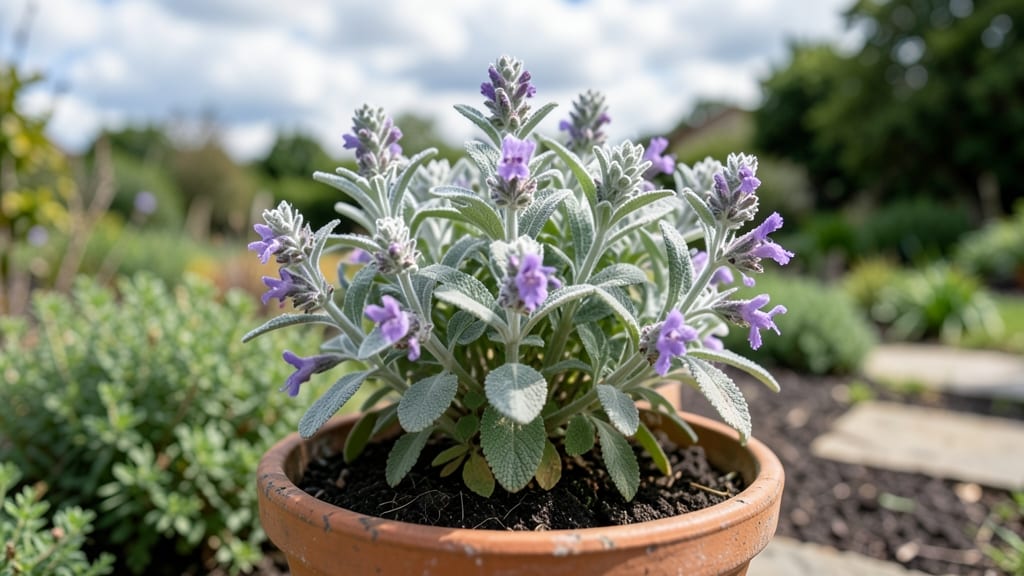
The nepeta bloom time shifts with the seasons—usually late spring to early summer, but heat triggers those second flushes that keep your garden buzzing all season. 🌿 I’ve watched my ‘Walker’s Low’ explode with lavender-blue spikes in June, only to see it repeat the show in September when temperatures dip just right.
The timing isn’t just about the calendar—it’s about your local heat waves and how you prune.
Sunlight is non-negotiable: 6+ hours of direct sun per day is the magic number for consistent blooms. In cooler climates like mine (Zone 5), Nepeta might wait until July, while Southern gardeners see flowers as early as May.
The key is matching your variety to your climate—some, like ‘Six Hills Giant,’ bloom earlier and longer than others. Pruning spent flowers encourages reblooms, but timing matters: cut back too early, and you lose that first flush.
With the right care, you’ll enjoy 3-4 months of continuous blooms, from the first flush to the heat-triggered rebloom. The fragrance alone—like crushed mint meets lavender—makes it worth the planning.
I’ve learned to space Nepeta in drifts where it can spread naturally, creating a low-maintenance, pollinator-friendly showstopper that never needs deadheading to look its best.
For those in hotter zones, mulch helps retain moisture and cool roots, while shade cloth can prevent midday wilting. In colder areas, a late-summer pruning extends the season just enough to squeeze out those final blooms before frost.
The secret? Pay attention to your plants—they’ll tell you when they’re ready to bloom again.
📚 In This Guide
- What you need
- Instructions
- Tips and common mistakes
- Wrapping up and next steps
What you need
- ● Nepeta plants: Healthy, established plants (at least 12–18 inches tall) of your chosen variety (e.g., Nepeta ‘Walker’s Low’, Nepeta ‘Six Hills Giant’, or Nepeta ‘Faassenii’). Pro tip: 🌡️ Select plants that bloomed well in their first season—they’re more likely to rebloom!
- ● Well-draining soil: Amend garden beds or containers with compost (1–2 cups per plant) and perlite or coarse sand (1 part per 3 parts soil) to improve drainage. Nepeta hates soggy roots!
- ● Balanced fertilizer: A 10-10-10 or 20-20-20 granular fertilizer (1 tbsp per plant) or a slow-release organic option (like fish emulsion or worm castings) to feed roots without burning.
- ● Watering can or hose with a gentle spray nozzle: Aim for 1–1.5 inches of water per week, adjusting for heat/drought.
- ● Full sun exposure: 6+ hours of direct sunlight daily (morning sun + afternoon shade in extreme heat works too). Pro tip: 🔥 Use a light meter or observe your yard—if shadows are <1 foot long at noon, you’re golden!
- ● Heat tolerance: Nepeta thrives in USDA Zones 3–9 but may need afternoon shade in Zones 9–10 during peak summer (90°F+).
- ● Pruning shears: Sharp, bypass-pruners (4–6 inch blades) for clean cuts. Pro tip: ✨ Sterilize blades with rubbing alcohol to prevent disease!
- ○ Deadheading shears (optional): Small, nail-pruning-style shears for quick trims between blooms.
- ● Mulch: 2–3 inches of organic mulch (straw, pine needles, or shredded bark) to retain moisture and regulate soil temp.
- ○ Heat-resistant plant ties (optional): For container-grown Nepeta in windy areas—use soft fabric ties (not wire!).
How to extend Nepeta bloom time through heat management
Timing is everything with nepeta—learn how to coax multiple blooms from the same plant by reading its heat cues.
🌱 Step 1: Understand Your Nepeta Variety's Heat Thresholds
Nepeta blooms respond to temperature shifts, not just seasonal changes. Hardy varieties like 'Walker's Low' trigger rebloom when daytime temps hit 70-75°F after a cool spell, while heat-loving types like 'Six Hills Giant' need 80°F+ to restart flowering. Observe your plant's first bloom cycle—note when buds form and when flowers open fully. This reveals your specific variety's heat trigger point.
Here's the thing—most gardeners assume nepeta blooms once and quits, but it's actually a heat-sensitive plant. After the first flush of flowers, let the plant go dormant for 2-3 weeks by reducing water slightly. This mimics natural seasonal shifts and primes the plant for rebloom when warm weather returns.
☀️ Step 2: Time Pruning for Maximum Heat Response
Prune spent blooms immediately after flowering—never wait until flowers fade completely. Cut back ⅓ of the stem length just above a set of healthy leaves (never at a bare stem). This triggers lateral bud growth that will produce new flowers. The key is doing this when daytime temps are consistently above 65°F—below that, the plant conserves energy for survival, not reblooming.
I know it seems counterintuitive to cut back when flowers are still vibrant, but nepeta responds to stress signals. The plant interprets this pruning as a "winter warning," then bursts with new growth when warm weather returns. Use clean, sharp shears and make cuts at 45-degree angles to prevent water pooling at the stem base.
💧 Step 3: Adjust Watering to Mimic Seasonal Shifts
Reblooming nepeta needs a dry-wet-dry cycle to trigger heat sensitivity. After pruning, let the soil dry completely between waterings for 10-14 days—this mimics autumn conditions. Once new growth appears (you'll see 2-3 inch shoots within 2 weeks), return to regular watering when the top 2 inches of soil feel dry.
Don't overwater now. Damping-off will wipe out seedlings overnight, and nepeta roots are particularly sensitive to soggy conditions. The reason we stress this dry period is that nepeta's native Mediterranean habitat experiences prolonged dry spells before spring rains. This cycle resets the plant's internal clock for reblooming.
⏰ Step 4: Monitor Heat Accumulation for Rebloom
Track your local growing degree days (GDD)—a measure of heat accumulation—using a weather station or online calculator. Most nepeta varieties need 1,000-1,500 GDD after pruning to trigger rebloom. When temps consistently stay above 70°F during the day and 55°F at night for 5-7 days, your plant will respond with new flower buds.
You'll see the first sign of rebloom as tiny purple or blue buds forming at stem tips. This happens 4-6 weeks after pruning, depending on your climate. If buds form but don't open, your plant needs more heat—consider moving containers to a sunnier spot or using a clear plastic tent to trap daytime warmth.
✂️ Step 5: Deadhead and Fertilize for Continuous Bloom
Once rebloom flowers open, deadhead every 3-4 days to prevent seed formation. This redirects the plant's energy toward producing more blooms instead of seeds. Use a light hand—remove only fully opened flowers, leaving buds intact. Pair this with a balanced 10-10-10 fertilizer applied every 4-6 weeks during active growth.
Real talk: Over-fertilizing causes leafy growth at the expense of flowers. Nepeta responds better to low-nitrogen feeding (use half-strength solution) than heavy doses. The goal is to maintain vibrant foliage while encouraging continuous bloom cycles. Stop fertilizing 6 weeks before your first frost to harden off the plant for winter.
Tips & tricks for perfect Nepeta reblooming
These heat-sensitive strategies will help you transform one-time bloomers into long-lasting garden stars.
Variety-Specific Heat Timing: The key difference between 'Walker's Low' and 'Six Hills Giant' lies in their temperature triggers. For hardy varieties like 'Walker's Low', aim to prune when daytime temperatures consistently reach 70-75°F—this signals the plant to prepare for rebloom. For heat-loving types like 'Six Hills Giant', wait until you see 80°F+ readings before pruning. I've found that using a simple outdoor thermometer for 3-5 days helps confirm your local microclimate's heat patterns.
Pruning Precision: Timing your pruning to the exact moment when flowers are fully open but before seeds form is crucial. The ⅓ stem length cut should be made just above a set of healthy leaves—this creates the perfect balance between removing spent blooms and maintaining foliage for photosynthesis. I always use clean, sharp shears and make 45-degree cuts to prevent water pooling, which can lead to fungal issues. The reason this works so well is that nepeta responds to this stress signal by redirecting its energy toward lateral buds.
Watering Strategy: The 10-14 day dry period after pruning is non-negotiable for triggering rebloom. Let the soil dry completely between waterings to mimic autumn conditions, then resume regular watering when you see 2-3 inch shoots emerge. I've seen gardeners skip this step and wonder why their plants don't rebloom—it's the plant's internal clock that needs this dry signal to reset. For container-grown nepeta, I find using moisture meters helps track soil dryness more accurately than guessing.
Heat Accumulation Tracking: Most gardeners overlook growing degree days (GDD), but this is the secret to predicting rebloom timing. Use a free online GDD calculator to track your local accumulation—most nepeta varieties need 1,000-1,500 GDD after pruning. When you hit 70°F days and 55°F nights for 5-7 consecutive days, that's your plant's cue to start forming new buds. I've found that container-grown nepeta often needs an extra 200-300 GDD compared to in-ground plants due to heat loss from pots.
Pro Tips for Nepeta Bloom Time
- These heat-sensitive strategies will help you transform one-time bloomers into long-lasting garden stars.
- Variety-Specific Heat Timing: The key difference between 'Walker's Low' and 'Six Hills Giant' lies in their temperature triggers.
- Pruning Precision: Timing your pruning to the exact moment when flowers are fully open but before seeds form is crucial.
Frequently asked questions
Got questions about timing, care, or getting the most out of your Nepeta blooms? Here are answers to the most common queries—so you can enjoy those fragrant purple spikes all season long!
When does Nepeta typically bloom the first time?
Nepeta usually blooms 6–8 weeks after planting in spring, once soil temps hit 50–60°F (10–15°C). Early varieties like Nepeta 'Six Hills Giant' may flower sooner, while late bloomers like Nepeta 'Walker’s Low' take a little longer. Pinch back young plants to encourage bushier growth and delay the first flush!
How often does Nepeta rebloom after deadheading?
With proper deadheading (removing spent blooms), Nepeta will rebloom 2–4 times per season, especially if given full sun (6+ hours/day) and well-draining soil. Heat-loving varieties like Nepeta 'Faith' often reward you with a second flush in late summer if pruned back after the first bloom.
Why isn’t my Nepeta blooming in heat waves?
If your plant looks leafy but flower-free during hot spells, it’s likely stressed. Nepeta thrives in heat but needs consistent moisture—water deeply 1–2x/week (more in extreme heat). Over-fertilizing (especially with nitrogen) can also delay blooms. Try a balanced 10-10-10 fertilizer sparingly in early spring instead.
Can I force Nepeta to bloom earlier or later?
While you can’t force blooms, you can extend the season! For earlier blooms, start seeds indoors 8–10 weeks before last frost. For late-season color, prune back plants after the first bloom to encourage a heat-triggered rebloom. Just avoid cutting into old wood—stick to fresh growth!
What’s the best Nepeta variety for long bloom times?
For prolonged blooming, choose heat-tolerant varieties like:
- Nepeta 'Walker’s Low' – Drought-resistant, blooms spring to fall.
- Nepeta 'Six Hills Giant' – Sturdy stems, reblooms with deadheading.
- Nepeta 'Faith' – Compact, thrives in poor soil, and loves heat.
Wrapping up and next steps
Now that you’re armed with the secrets to heat-triggered Nepeta reblooms—from deadheading to variety-specific care—your garden is ready for a second wave of stunning purple-blue blooms! 🌸 Whether you’re a seasoned gardener or just starting, these tips will help you maximize your Nepeta’s potential. Next up: grab your pruners and watch your plants thrive with confidence!
💡 Pro Tip:
Track your Nepeta’s bloom cycles in a simple journal or app—it’s the easiest way to predict and plan for future reblooms like a pro!