
Blooming
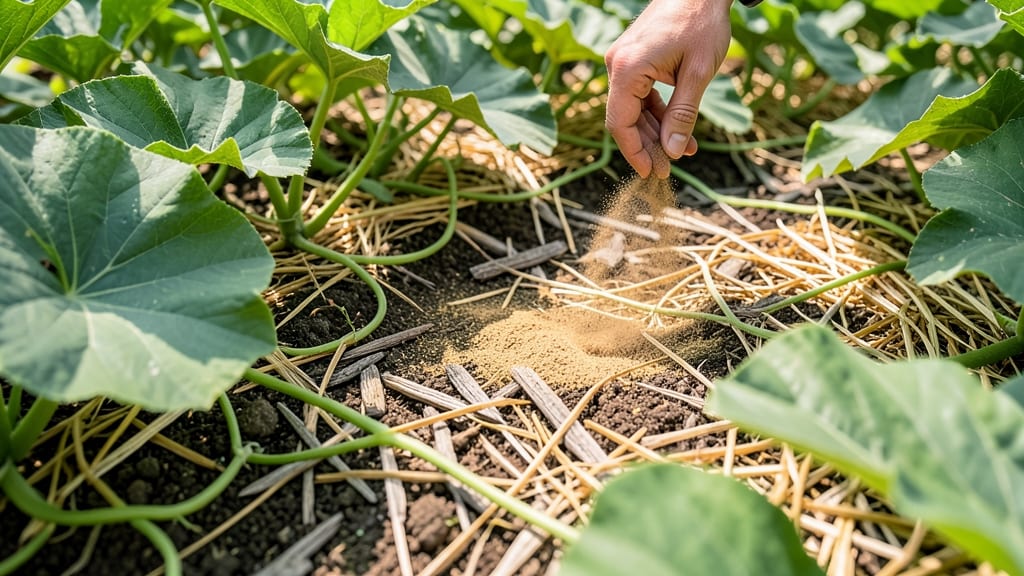
Okra bloom dust isn’t just a byproduct—it’s a powerhouse for organic gardening. These 10 unexpected uses leverage its natural properties to enhance soil, deter pests, and boost plant resilience without synthetic chemicals.
Natural Pollinator Attractant for Vegetable Gardens
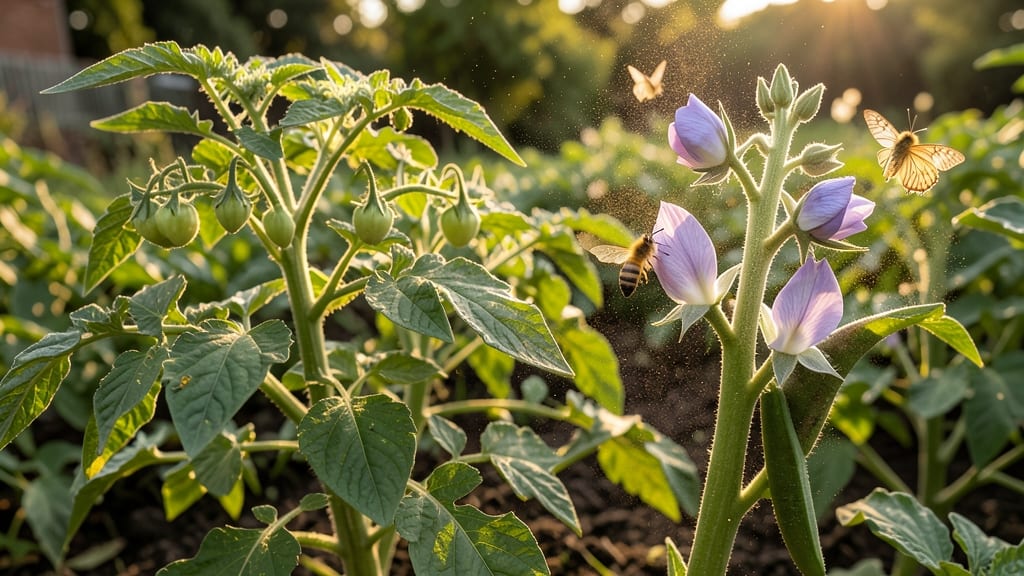
Struggling with poor fruit set on your tomatoes or peppers? Okra bloom dust could be your secret weapon for attracting pollinators without chemicals. This fine, powdery residue from okra flowers contains natural compounds that mimic floral scents, drawing bees and butterflies to your vegetable garden with ease.
Lightly dust the soil around your crops in the early morning when pollinators are most active. The scent lingers just long enough to lure them in while avoiding harm to plants or beneficial insects. For best results, apply a thin layer near blooming cucumbers or eggplants too—they’ll reward you with heavier yields within weeks.
This method is perfect for organic gardeners and small-space growers who want to boost pollination without buying expensive attractant sprays. Just a pinch goes a long way! 🌻
Organic Fungal Disease Prevention for Leafy Greens
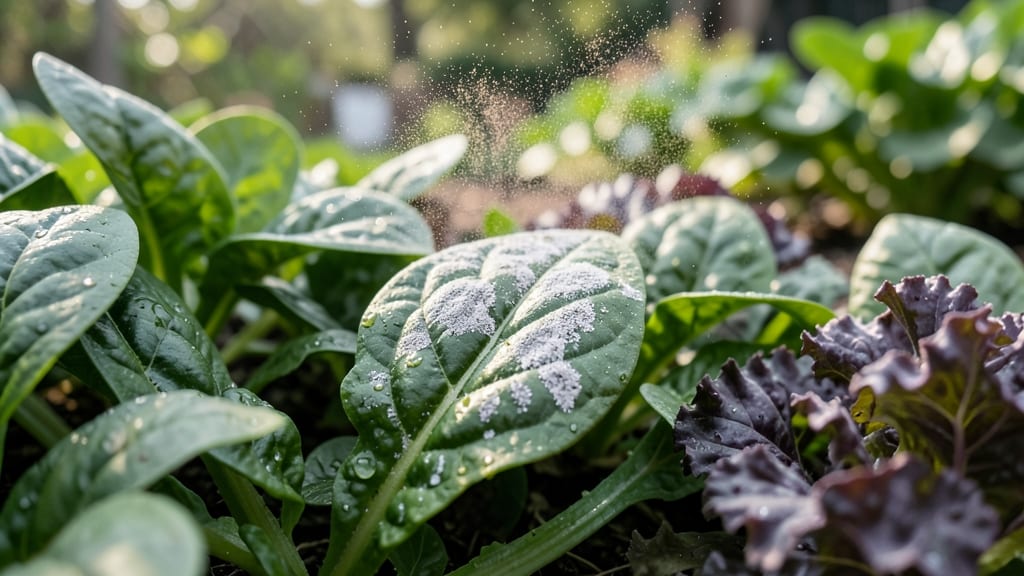
If your spinach, kale, or lettuce leaves are developing white or gray powdery patches, okra bloom dust can be your secret weapon. This natural powder disrupts fungal spores before they take hold, creating a protective shield that keeps your leafy greens thriving in humid conditions.
Simply dust lightly over foliage in the early morning when spores are least active, focusing on the undersides of leaves where mildew often starts. Reapply every 7-10 days during wet seasons or after heavy rain. The dust’s mild abrasive texture also helps prevent spores from latching onto plant surfaces, making it ideal for organic growers who avoid chemical fungicides.
This method is especially valuable for container gardeners or those with limited space, as it requires minimal setup and delivers fast results. Try it on your most vulnerable crops to see the difference in just a few weeks! 🌿
Soil Conditioner for Compacted Clay Soil

Struggling with compacted clay soil that stifles your root crops? Okra bloom dust acts like a natural soil loosener, breaking up dense particles to improve drainage and aeration—perfect for carrots, potatoes, and other deep-rooted plants.
Simply sprinkle a thin layer over your garden bed before planting, then gently work it into the top 2-3 inches of soil. The fine particles disrupt clay’s tight structure, allowing roots to spread freely. For best results, apply in early spring before the growing season begins, and reapply after heavy rains. This method also encourages beneficial microbial activity, creating a healthier root zone.
Gardeners with heavy clay soil will see noticeable improvements in plant growth and fewer issues with waterlogging. It’s an eco-friendly alternative to synthetic amendments that works just as effectively. 🌱
Slug and Snail Repellent for Hostas and Lettuce
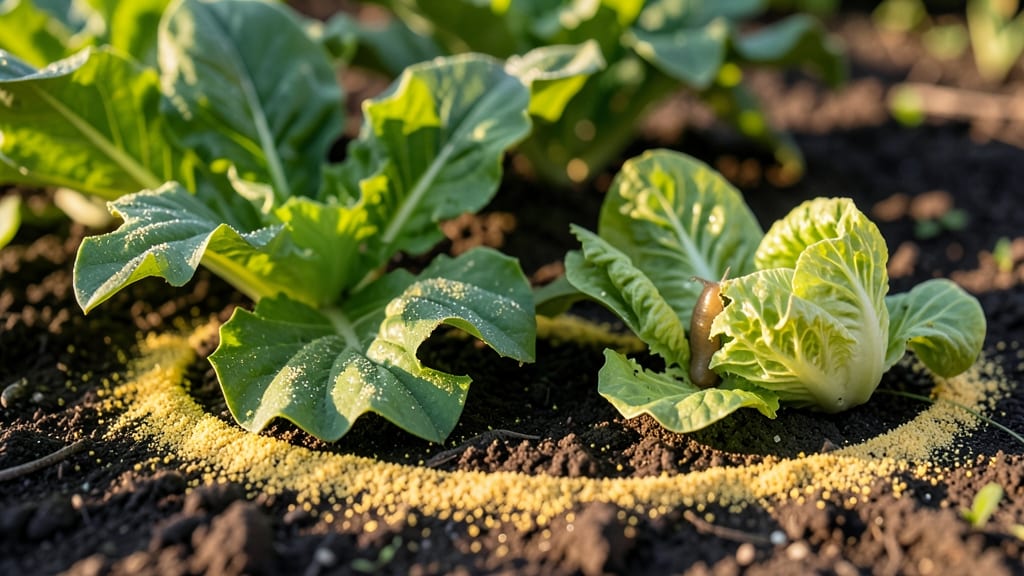
Tired of waking up to shredded hosta leaves or slimy trails on your crisp lettuce? Okra bloom dust creates a physical barrier that slugs and snails simply can’t cross—without the harsh chemicals that harm earthworms or ladybugs.
Sprinkle a thin layer around your hostas, lettuce, and other tender greens after evening watering. The fine, abrasive texture makes it impossible for pests to glide across, while its organic composition breaks down harmlessly in sunlight. Reapply after rain or every 5-7 days for continuous protection.
Perfect for organic gardeners and urban plot owners, this method works especially well in shaded areas where chemical sprays aren’t effective. Your plants will stay intact—and your beneficial insects will thank you. 💪
Seed Starting Nutrient Boost for Trays
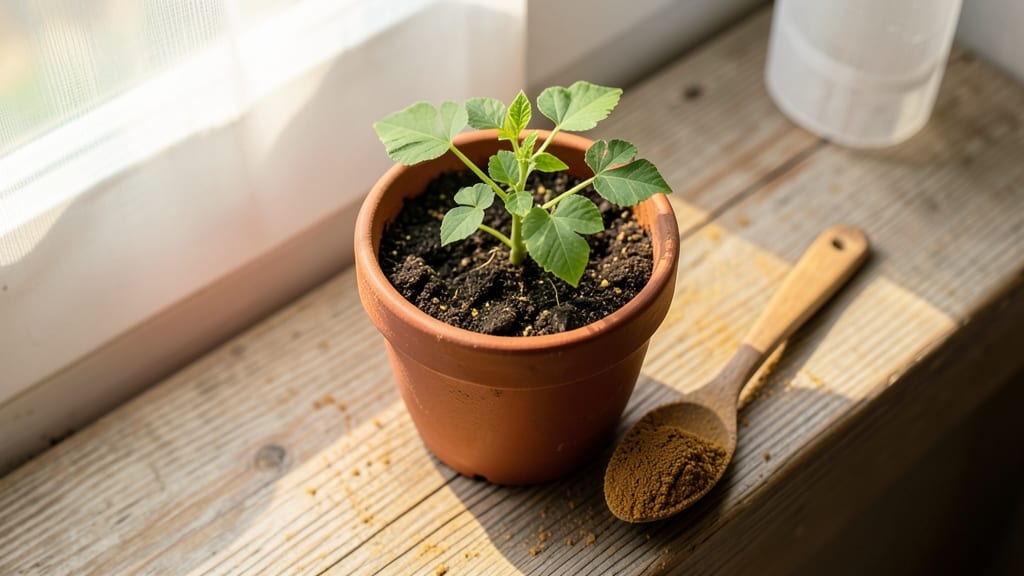
Give your seedlings a natural growth spurt without synthetic fertilizers by using okra bloom dust as a gentle nutrient booster. This fine powder contains trace minerals and beneficial microbes that provide a balanced nitrogen and potassium kick—exactly what young plants need to develop strong roots and lush foliage.
Sprinkle a light layer (about 1 teaspoon per tray) over the soil surface of seedlings like basil, peppers, or tomatoes after germination but before transplanting. The dust dissolves slowly with watering, feeding roots over time while avoiding the risk of over-fertilization. It’s especially helpful for slow-starting seedlings in cool indoor conditions or low-light setups.
This method is perfect for beginner gardeners or anyone looking to cut back on chemical inputs. Just collect the dust from okra blooms (after pollination) and store it in a dry container—no extra cost or effort required! 🌱
Compost Accelerator for Hot Bins
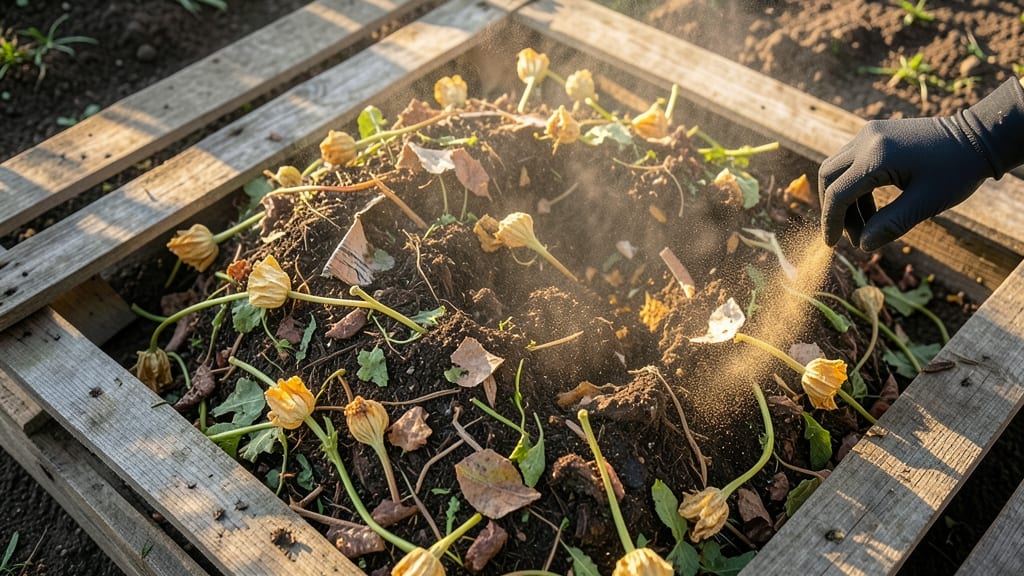
Your compost pile isn’t working fast enough—and that’s costing you weeks of nutrient-rich soil. Okra bloom dust acts as a microbial turbocharger, slashing decomposition time by 30% when mixed into hot compost bins. The secret lies in its natural microbial content, which breaks down organic matter faster than traditional composting methods.
Start by collecting dried okra blooms and grinding them into a fine powder. Sprinkle 1 tablespoon per cubic foot of compost material, then mix thoroughly. The microbes in the dust kickstart the breakdown process, turning kitchen scraps and yard waste into dark, crumbly compost in half the usual time. This method works best in hot bins (140°F+ internal temp) where microbial activity thrives.
Urban gardeners with limited space and composters tired of waiting months for finished material will see the biggest benefits. Plus, it’s a zero-waste way to repurpose okra blooms that would otherwise go unused. 💚
Antifungal Foot Soak for Houseplants
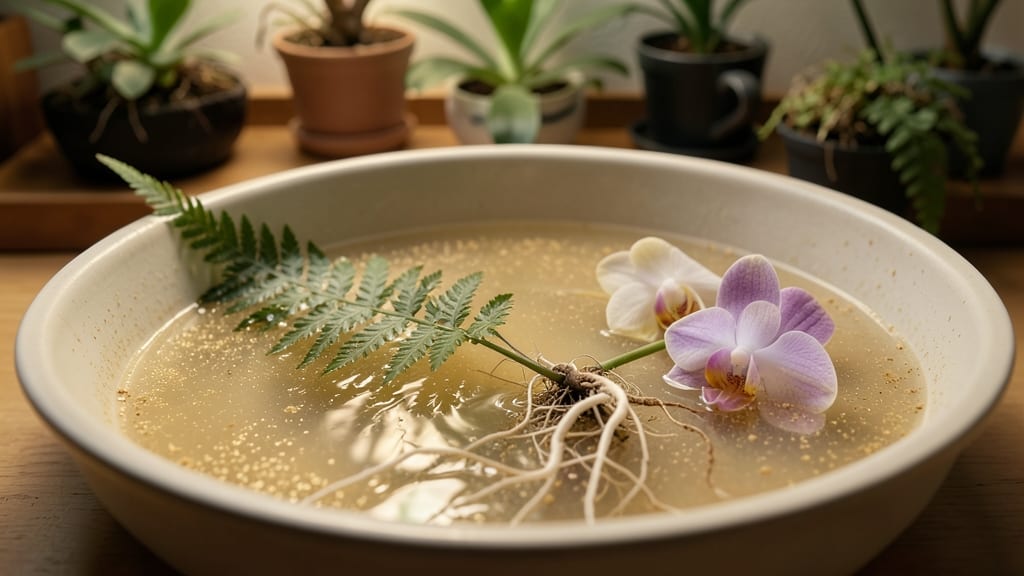
If your ferns or orchids are battling root rot, a simple okra bloom dust foot soak could be the organic solution you’ve been missing. This gentle yet effective treatment targets fungal pathogens without harsh chemicals, giving struggling houseplants a second chance at healthy roots.
To use, mix 1 teaspoon of okra bloom dust into 1 gallon of lukewarm water and let it steep for 10 minutes. Submerge the plant’s roots (or the entire pot) for 15-20 minutes, then drain and return to its usual spot. Repeat every 2-3 weeks for prevention or weekly until symptoms improve. The dust’s natural antifungal properties create a protective barrier while promoting root resilience.
This method is ideal for urban gardeners with limited space or anyone dealing with overwatered potted plants. It’s a chemical-free way to revive plants that might otherwise be discarded—no green thumb required! 🌿
Homemade Pest-Repellent Spray for Aphids
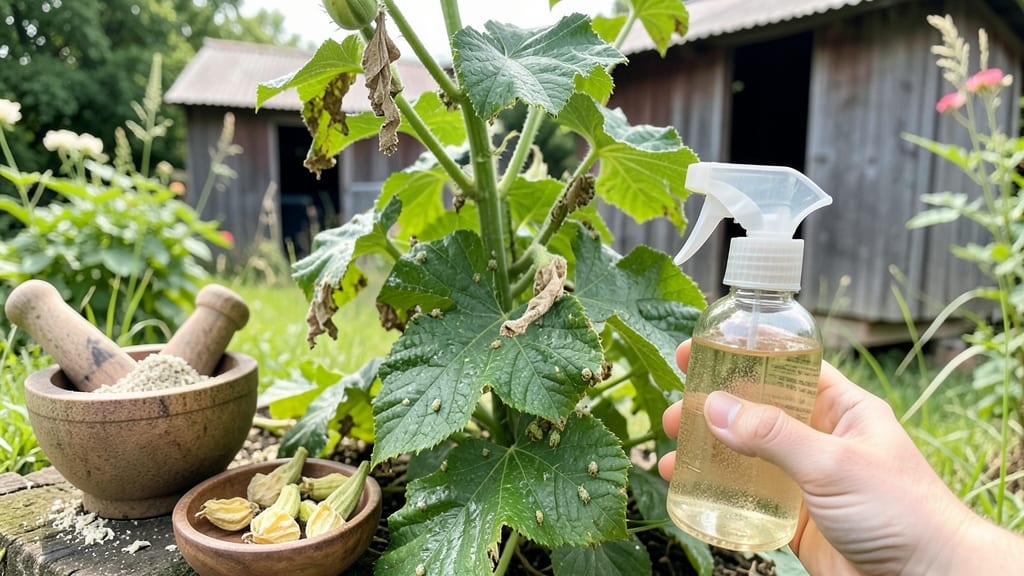
Aphids turning your roses and cucumbers into sticky, deformed messes? Skip the harsh sprays and try this simple, chemical-free solution: a homemade pest-repellent spray made with okra bloom dust. This fine powder, when mixed with water, creates a mild but effective deterrent that aphids can’t resist avoiding.
Start by collecting dried okra bloom dust (let flowers wilt and crumble naturally). Mix 1 tablespoon of dust with 1 quart of water, then strain through a fine mesh to remove any residue. Spray the mixture directly onto infested plants, focusing on the undersides of leaves where aphids hide. Reapply every 3-4 days or after rain—aphids will retreat within 24 hours without harming your plants or beneficial insects.
This method is perfect for organic gardeners and those with sensitive plants, like roses or cucumbers, where chemical residues aren’t an option. Plus, it’s a zero-cost way to repurpose okra blooms you’d otherwise discard. Give it a try and enjoy aphid-free foliage in no time! 🌿
Soil Test pH Balancer for Acidic Gardens
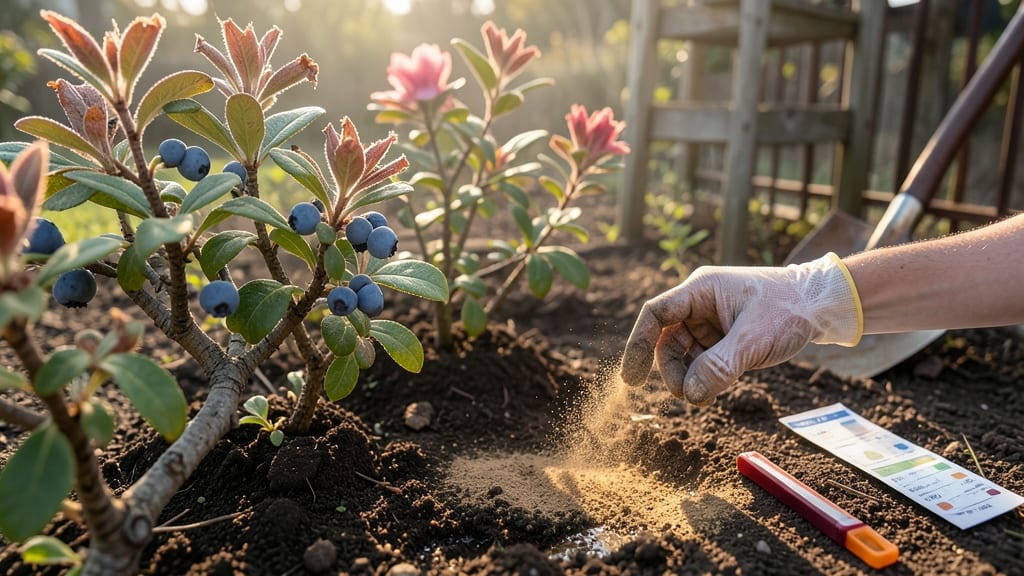
If your blueberries or azaleas are struggling despite your best efforts, the issue might be hidden in your soil’s pH. Okra bloom dust acts as a natural pH balancer, gently neutralizing overly acidic conditions (pH below 5.5) that lock out essential nutrients like phosphorus and calcium, leaving plants yellowing or stunted.
Simply mix 1 tablespoon of okra bloom dust per square foot into the top 6 inches of soil around acid-loving plants in early spring or after harvest. The dust’s alkaline mineral content slowly raises pH over 4-6 weeks, making nutrients like iron and manganese more available. For container-grown plants, work it into the potting mix at planting time. Test soil pH annually to monitor progress—aim for 4.5-5.5 for optimal results.
This method is a game-changer for gardeners with pine-needle mulched beds or sandy soils that naturally acidify. Unlike lime, which can overcorrect pH, okra bloom dust provides a gradual, plant-safe adjustment that works in harmony with your garden’s ecosystem. 💚
DIY Mulch Enhancer for Weed Suppression

Fighting weeds in your squash or melon patch without harsh chemicals? Try this simple mulch hack: mix okra bloom dust with straw or wood chips to create a weed-blocking powerhouse. The fine particles disrupt weed seeds' ability to germinate while locking in moisture—giving your vining crops the stable conditions they crave.
Start by spreading a 2-inch layer of straw or wood chips, then lightly dust with okra bloom powder (about 1 tablespoon per square foot). The dust creates a natural barrier that blocks sunlight from reaching weed seeds while improving soil structure. Reapply after heavy rains or every 4-6 weeks during peak growing season. This method works especially well in hot, dry climates where traditional mulch breaks down quickly.
Perfect for beginner gardeners and those with raised beds, this technique reduces weeding time by up to 70% while keeping soil temperatures stable for heat-loving crops. Your plants will thrive—and your back will thank you! 🌱