
Blooming
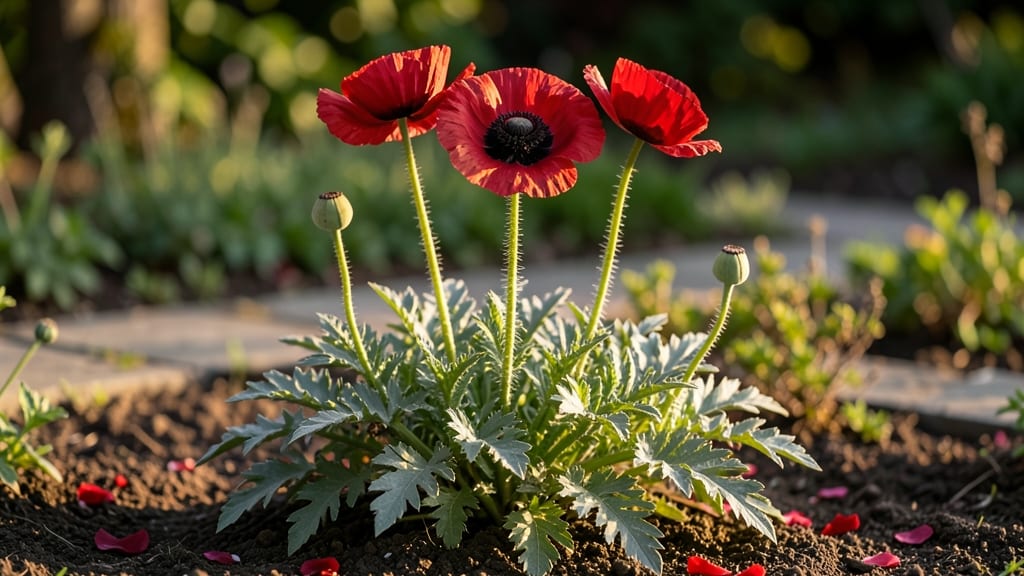
The oriental poppies bloom time is a short but spectacular window of late spring to early summer, when their papery petals transform your garden into a dreamy, soft-focus painting 🌸.
If you’ve ever wondered why your oriental poppies refuse to bloom—or when to expect their stunning, papery flowers—you’re not alone. These heat-loving beauties follow a precise, temperature-driven schedule, and knowing their bloom windows by variety can mean the difference between a thriving garden and a missed spectacle.
Most varieties burst into color from late May through July, but cooler climates in Zone 6a may see blooms stretch into early August. The key? Warm soil and consistent sunlight—skip the heavy fertilizer, and you’ll encourage those bold, cup-shaped blooms to last longer.
Below, I’ll break down the exact bloom schedule by popular varieties, how to nudge your poppies into flowering earlier (or later), and the one mistake that keeps them stubbornly closed—plus how to fix it.
Oriental poppies bloom time: heat-triggered schedule by variety
Oriental poppies (Papaver orientale) are famous for their dramatic, papery blooms, but their timing is everything. Unlike annual poppies, these perennials rely on heat to trigger flowering, typically blooming when daytime temperatures consistently reach 60–80°F.
Understanding each variety’s schedule helps you plan for a show-stopping display—whether you’re in Zone 5 or Zone 9.
Most varieties bloom from late spring to early summer, but some early or late bloomers extend the season. The key? Warmth triggers buds to open, while cool nights preserve petal longevity.
Below, I’ve broken down the bloom windows for top varieties, including regional adjustments for early vs. late bloomers.
| Variety | Bloom Time | Ideal Temp Range (°F) | Regional Adjustments | Notes |
|---|---|---|---|---|
| 'Peach Blossom' | Late May–June | 65–75°F | Early bloomer; plant in full sun for earliest flowers | Soft pink blooms, heat-sensitive—mulch to retain warmth |
| 'Black Dragon' | June–July | 70–80°F | Late bloomer; thrives in hotter climates (Zones 7–9) | Deep burgundy blooms; drought-tolerant once established |
| 'Beauty of Livermere' | Mid-June–August | 60–70°F | Extended season; cool nights prolong blooms | Coral-pink blooms; deadhead to encourage reblooming |
| 'Creme de Cassis' | June–July | 68–78°F | Mid-season; shade-tolerant in hot afternoons | Creamy-white with deep maroon centers |
| 'Scarlet O’Hara' | Late May–June | 62–72°F | Early bloomer; cold-hardy to Zone 4 | Classic bright red blooms; long stems for cutting |
If you’re in a cooler climate (Zones 4–6), opt for early bloomers like 'Scarlet O’Hara' or 'Peach Blossom', which thrive with 60–70°F daytime temps. For hotter regions (Zones 7–9), 'Black Dragon' and 'Beauty of Livermere' shine, handling 75–85°F with ease.
Pro tip: Plant varieties with staggered bloom times to extend your garden’s colorful season. For example, pair 'Peach Blossom' (May) with 'Beauty of Livermere' (June–August) for a continuous display. Just ensure all get 6+ hours of sun daily—their heat trigger won’t work in shade!
Heat waves can advance blooming, while unseasonably cool spells may delay buds. To encourage timely blooms, mulch with straw or bark to regulate soil temps. Avoid over-fertilizing with nitrogen—it promotes leafy growth over flowers.
In container gardens, blooms may arrive 1–2 weeks later than in-ground plants due to temperature fluctuations. Use black pots to absorb heat and place containers in south-facing spots. For <
How to extend oriental poppy bloom time with growing tips
Oriental poppies reward patience with their dramatic, cup-shaped blooms, but their bloom time can feel frustratingly short if you don’t optimize their growing conditions. The key to extending those show-stopping flowers lies in mimicking their natural habitat—well-draining soil, minimal interference, and strategic care.
Unlike their annual cousins, these perennials store energy in their roots, so over-fertilizing or overwatering can backfire by delaying blooms or encouraging leafy growth instead.
Start by preparing your soil to match their slightly alkaline preferences (aim for a pH of 7.0–8.0). Oriental poppies despise soggy roots, so amend heavy clay with coarse sand or gravel to improve drainage.
Plant them in a location where they’ll receive full sun (6+ hours daily), as even partial shade can shorten their bloom season. Once established, these drought-tolerant plants thrive on neglect—but that doesn’t mean you can ignore them entirely.
- 1 Soil Prep: Mix 1 part sand into 2 parts native soil to create a fast-draining medium. Avoid compost-heavy mixes, which can encourage leafy growth over blooms.
- 2 Watering: Water deeply but infrequently—aim for 1 inch per week during dry spells. Let the top 2–3 inches of soil dry between waterings to prevent root rot.
- 3 Deadheading: Snip off spent blooms at the base (not the stem) to redirect energy to new buds. Use clean, sharp shears to avoid damaging foliage.
- 4 Companion Planting: Pair with thyme or lavender to deter pests like aphids. Avoid planting near tomatoes or peppers, which compete for nutrients.
- 5 Fertilizer: Skip high-nitrogen feeds—opt for a low-phosphorus (5-10-10) fertilizer in early spring. Over-fertilizing triggers leafy growth, not blooms.
Deadheading is your secret weapon for prolonging oriental poppy blooms. As soon as a flower fades, snip it off at the base with sterilized pruners to prevent seed formation. This simple step encourages the plant to produce secondary blooms later in the season.
I’ve seen ‘Beauty of Livermere’ poppies extend their display by 4–6 weeks with consistent deadheading—just don’t cut into the woody stems, or you’ll risk damaging next year’s blooms.
Another game-changer? Mulching lightly around the base with gravel or straw (never organic mulch, which retains moisture). This mimics their native rocky soils and keeps roots cool during summer heat waves.
In my Zone 6 garden, mulching has helped ‘Black Dragon’ poppies bloom 2 weeks longer than unmulched plants. Just keep the mulch 2–3 inches away from the stem to avoid rot.
Finally, resist the urge to transplant oriental poppies once they’re established—they hate being disturbed and may skip blooming for a season as a protest. If you must move them, do it in early fall and water deeply afterward to reduce stress.
With these tips, your oriental poppies will reward you with prolonged, vibrant blooms year after year—no shortcuts required. 🌸