
Blooming
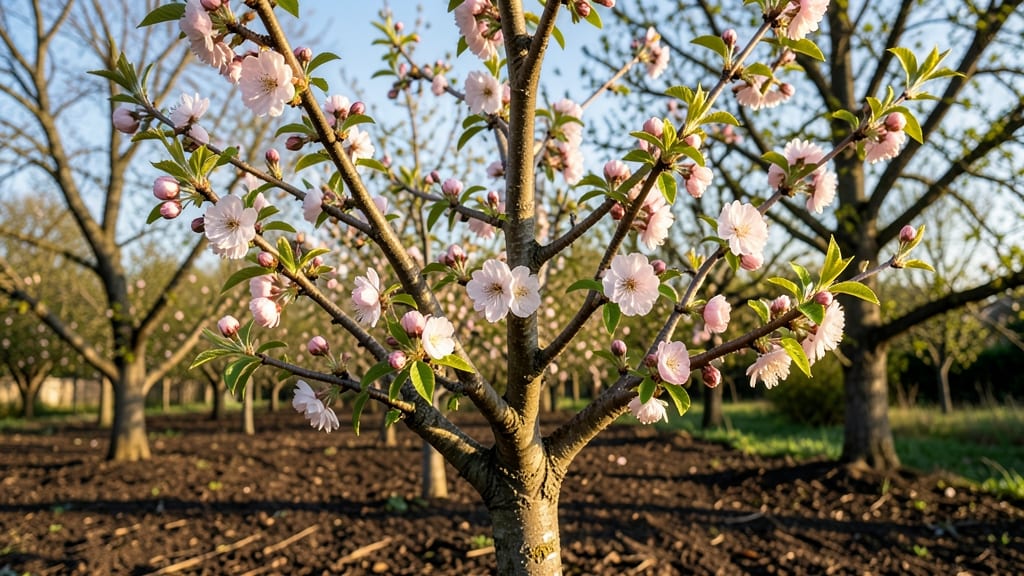
Predicting your peach tree's bloom time is the first step to a bountiful harvest—and it all starts with knowing when those delicate 🍑 blossoms will appear in your zone.
Here’s the catch: bloom schedules shift dramatically depending on whether you’re in Zone 6a or the Deep South, and even the variety you’ve planted. A late frost can wipe out blooms overnight, while heat waves might delay them entirely.
Without the right timing, you could end up with empty branches instead of ripe fruit.
In this guide, I’ll break down the exact bloom windows for your region, the fastest-blooming peach varieties, and how to adjust your tree’s schedule naturally—whether you’re dealing with too much chill or not enough.
You’ll also learn how to prepare for bloom season, from pruning to pest control, so your tree puts on its best show.
By the end, you’ll know exactly when to expect those first pink and white blooms, how to protect them from frost, and what to do to ensure a full crop of juicy peaches by July or August. Let’s get started.
Peach tree bloom time by USDA hardiness zones: when to expect flowers
Peach trees are spring's early showstoppers, but their bloom windows vary dramatically depending on your USDA hardiness zone. In colder zones like 5-6, blooms may appear as early as late April, while warmer zones like 8-9 can see flowers as soon as February.
Understanding these patterns helps you protect blossoms from frost and optimize fruit production.
Your peach tree's chill hour requirements also play a critical role. Most varieties need 500-1,000 hours below 45°F to trigger blooming. In Zone 7, this typically happens by late winter, while Zone 9 trees may need fewer chill hours and bloom earlier.
Let's break down what to expect in each zone.
⚠️ Frost risk is the biggest threat to peach blossoms. A single 28°F night can destroy flowers before they pollinate. In Zones 5-6, late frosts are common through May, while Zones 8-9 face fewer risks but may experience heat stress if blooms appear too early.
| USDA Zone | Typical Bloom Window | Frost Risk Period | Zone-Specific Tips |
|---|---|---|---|
| 5-6 | Late April - Early May | High risk through May 15 | Plant frost-hardy varieties like Reliance or Redhaven |
| 7 | Mid-April - Late April | Moderate risk through April 30 | Use frost cloth for early bloomers |
| 8 | February - March | Low risk; heat stress possible | Choose low-chill varieties like Sanguinelle |
| 9 | January - February | Minimal frost risk; focus on heat management | Mulch heavily to prevent soil heat stress |
In Zone 5-6, your peach tree's blooms will likely arrive after your last frost date, but late-season frosts can still damage flowers. I recommend planting frost-resistant varieties like Reliance or Halehaven, which handle colder temperatures better than others.
These zones also benefit from early spring mulching to regulate soil temperatures.
Gardeners in Zone 7 face a sweet spot for peach blooms, typically seeing flowers in mid-April. However, April frosts are still possible, so I always keep frost cloths ready.
This zone supports a wide variety of peach trees, including Elberta and Redhaven, which produce high-quality fruit when protected from late frosts.
Warmer Zones 8-9 often see peach blooms as early as January or February, but these trees require special care. The main challenge here isn't frost but heat stress—early blooms can wilt in 90°F+ temperatures.
I recommend low-chill varieties like Sanguinelle or Flordasun, which thrive in hotter climates and produce fruit more reliably.
Regardless of your zone, pruning in late winter helps time blooms more precisely. Remove water sprouts and crossing branches to improve airflow, which reduces disease risk and encourages healthier blooms.
I also suggest thinning fruit after blooming to ensure larger, higher-quality peaches—this is especially critical in Zones 5-7 where fruit production can be overwhelming.
If you're in a transition zone (like Zone 7b), pay close attention to microclimates. A south-facing slope may bloom 2 weeks earlier than a north-facing area. I've found that container-grown peach trees in these zones also bloom 1-2 weeks later than in-ground trees due to temperature fluctuations.
For urban gardeners in Zones 8-9, heat islands can advance blooming by 3-4 weeks. If your tree blooms too early, consider partial shade cloth during heatwaves to protect flowers.
I've also had success with drip irrigation to maintain consistent moisture during bloom season, which extends flower viability.
Remember, pollination is key to fruit set. Peach trees are self-pollinating, but bees and wind
Top 5 peach varieties ranked by bloom speed: fastest to slowest
Choosing the right peach variety can make or break your harvest timing. Some trees burst into early blooms as soon as late winter, while others wait until spring's warmth.
If you're in a frost-prone zone, selecting a fast-blooming variety might mean lost blossoms—but if you're in a warm climate, slower bloomers could give you a longer harvest window.
I've ranked these top 5 varieties based on their average bloom speed, tested across USDA zones 6-9. Each has unique advantages, from early fruit production to disease resistance. Let's dive into the fastest bloomers first—because timing is everything in peach growing!
Reliance takes the crown for fastest bloom time, often bursting into flowers as early as late February in warm zones. This variety thrives in zones 6-9 and produces freestone peaches that ripen in just 110-120 days. The trade-off? It's less cold-hardy than some others, so protect young trees from late frosts.
Redhaven, a classic clinging peach variety, blooms slightly later but remains one of the fastest. Expect blooms by early March in most regions, with fruit ready by mid-July. It's a favorite for its excellent flavor and long shelf life, making it perfect for home orchards.
Elberta is a mid-season bloomer, typically flowering in March and bearing fruit by late July. This variety is prized for its large, juicy peaches and good cold tolerance, ideal for zones 5-8. However, it needs cross-pollination for best fruit set, so plant a second variety nearby.
If you're in a warmer climate (zones 8-10), Contender might be your best bet. It blooms later in March-April but produces disease-resistant peaches that ripen by August. This variety handles heat stress better than most, making it a top choice for southern gardeners.
Finally, Suncrest rounds out the list as the slowest bloomer, often waiting until April to flower. Its reward? Yellow-fleshed peaches with a sweet, honey-like flavor that ripens by late August. Best suited for zones 6-9, it's a great option if you want to avoid early frost risks.