
Blooming
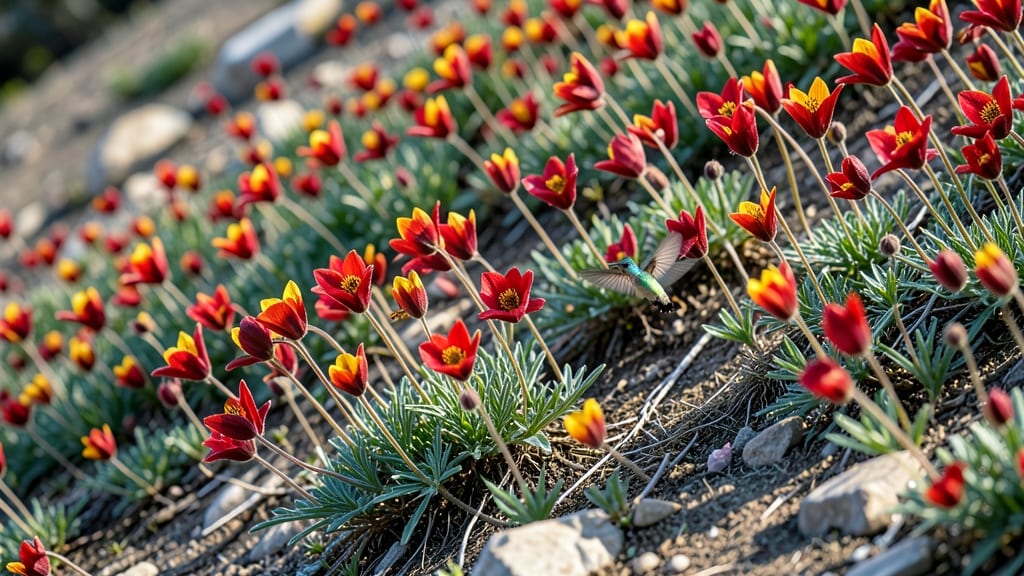
Early spring gardens often feel bare, but these 10 hardy perennials defy frost with vibrant blooms that bring life back to your landscape. From shade-loving beauties to sun-seeking stars, these plants reward patience with weeks of color before summer even arrives.
Crocus: Tiny Purple Harbingers of Spring
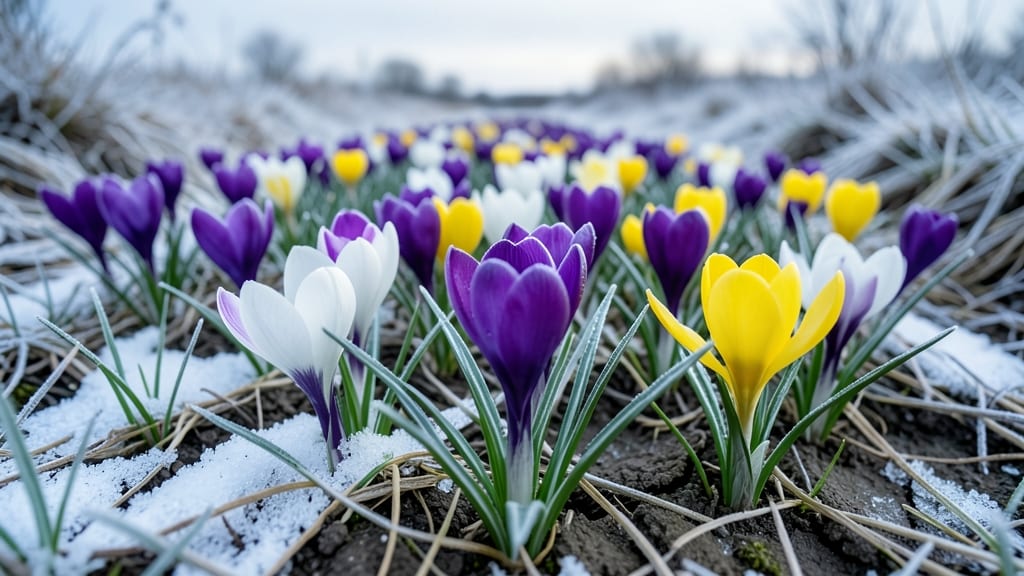
When frost still clings to the ground and other plants remain dormant, crocus emerges as nature’s first burst of color, often pushing through snow to greet early spring. These tiny but mighty flowers thrive in USDA zones 3-8 and naturalize effortlessly, creating vibrant carpets of purple, white, or yellow over time.
For gardeners eager to bring spring indoors, crocus can be forced in containers as early as December—simply plant corms in pots, chill them for 10-12 weeks, then place in bright light for blooms by Valentine’s Day. In outdoor gardens, plant bulbs in fall (4-6 weeks before frost) in well-draining soil with full sun to partial shade. They’re deer-resistant and drought-tolerant once established, making them low-maintenance stars.
Perfect for urban gardeners with limited space or rural plots where spring arrives late, crocus delivers instant cheer with minimal effort. 🌱
Bleeding Heart: Delicate Pink Heart-Shaped Flowers
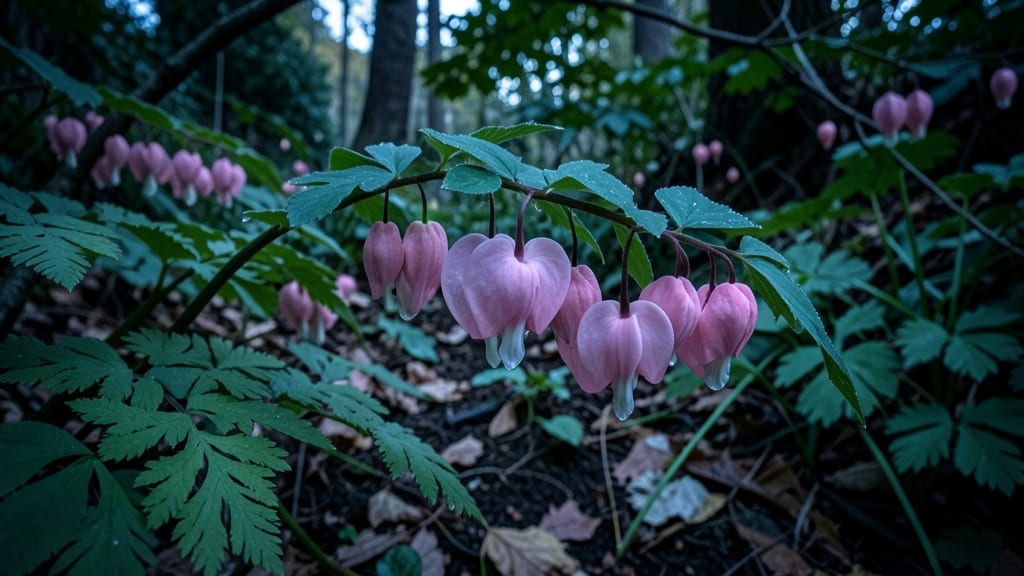
When your garden’s shady spots feel like forgotten corners, bleeding heart (Dicentra spectabilis) steps in as the star. This early spring bloomer thrives in dappled light or deep shade, where most perennials struggle, and rewards you with cascading clusters of heart-shaped pink flowers that seem to float on arching stems.
Plant it in moist, well-draining soil—it despises dry conditions—and give it room to sprawl (2–3 feet wide). For a dramatic effect, tuck it near hostas or ferns—its lush foliage and flowers create a romantic woodland vibe. Deadhead spent blooms to encourage a second flush, but leave the seed pods for winter interest. This shade-lover blooms just as spring arrives, often before leaves fully emerge on nearby trees.
Perfect for beginner gardeners or urban spaces with limited sun, bleeding heart adds vertical drama—its arching stems create movement where little else does. Pair it with hepatica or lungwort—both love shade and bloom early too. 🌷
Hepatica: Woodland's First Wildflower
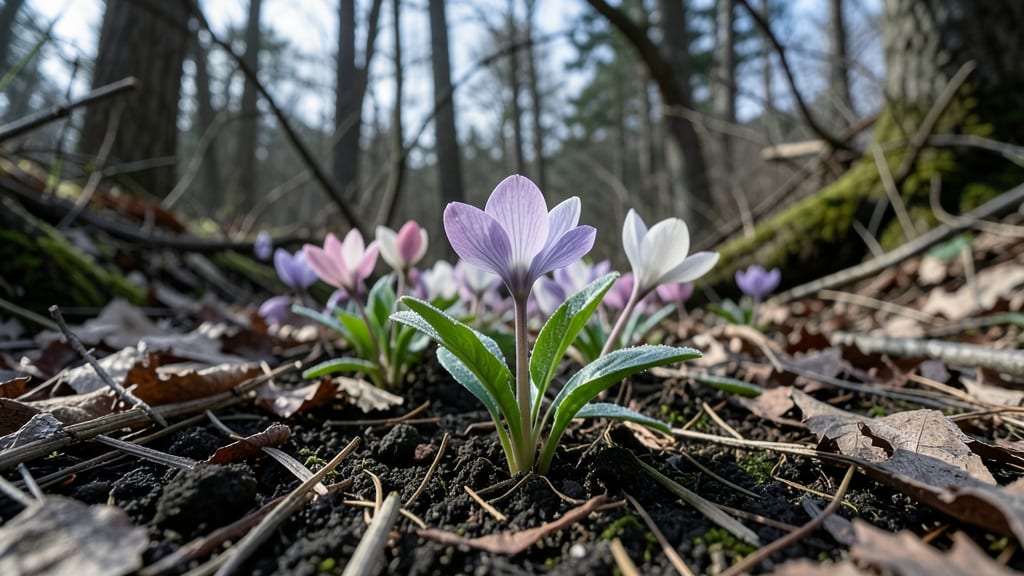
When your garden still looks like winter’s leftover gray blanket, hepatica arrives like a whisper of color—delicate blooms in lavender, pink, or white peeking through the soil before leaves even appear. This native woodland gem thrives in dry shade, making it the perfect understory plant for areas where moisture lingers but sunlight is scarce.
With its pre-leaf blooming habit, hepatica offers early-season color without competing with established foliage. Plant it in clusters under deciduous trees where it’ll naturalize over time, creating a carpet of spring blooms. Well-drained soil and minimal care (just occasional division every few years) make it ideal for low-maintenance gardeners.
Perfect for woodland gardens, shade borders, or even container plantings, hepatica’s unique charm makes it a standout for those who love native plants with a touch of magic. 🌷
Daffodil: Classic Yellow Trumpets That Defy Frost
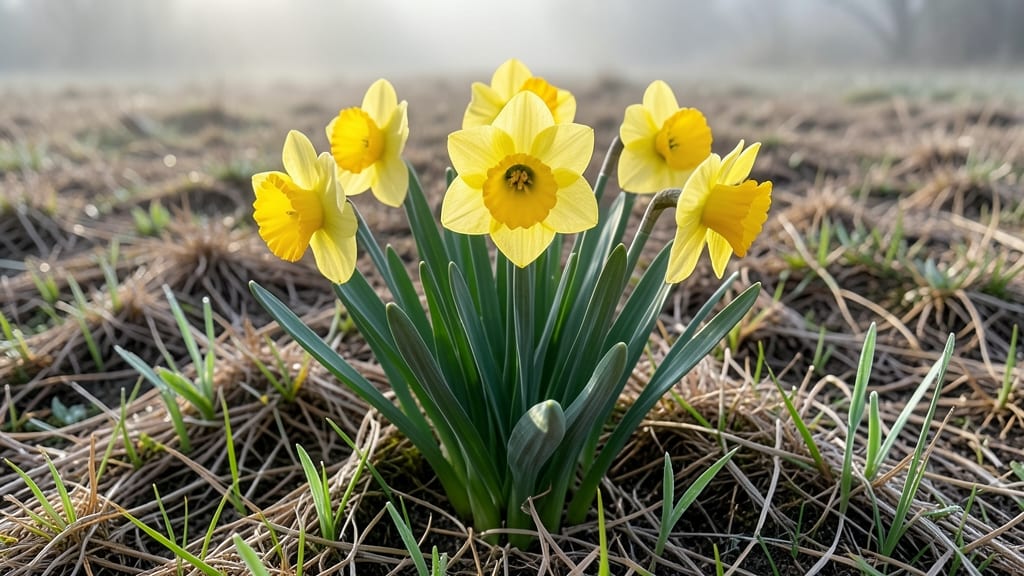
If you crave a low-maintenance perennial that delivers bold color year after year, daffodils are the answer. These cheerful yellow trumpets bloom reliably in early spring, often before other perennials even think about waking up, and their natural pest-repelling qualities protect nearby plants from squirrels and deer.
Plant daffodil bulbs in fall (6-8 weeks before frost) in well-draining soil with full sun to partial shade. Their secret weapon? The multiplication factor—each bulb divides and spreads over time, creating lush drifts of color with minimal effort. For maximum impact, plant in clusters of 9 or more bulbs, and pair with alliums or tulips for extended spring blooms.
Perfect for cottage gardens, urban yards, or even containers, daffodils are the ultimate pollinator magnet and natural pest deterrent—ideal for gardeners who want beauty without the fuss. 🌻
Pulsatilla: Silky Blue Pasque Flower
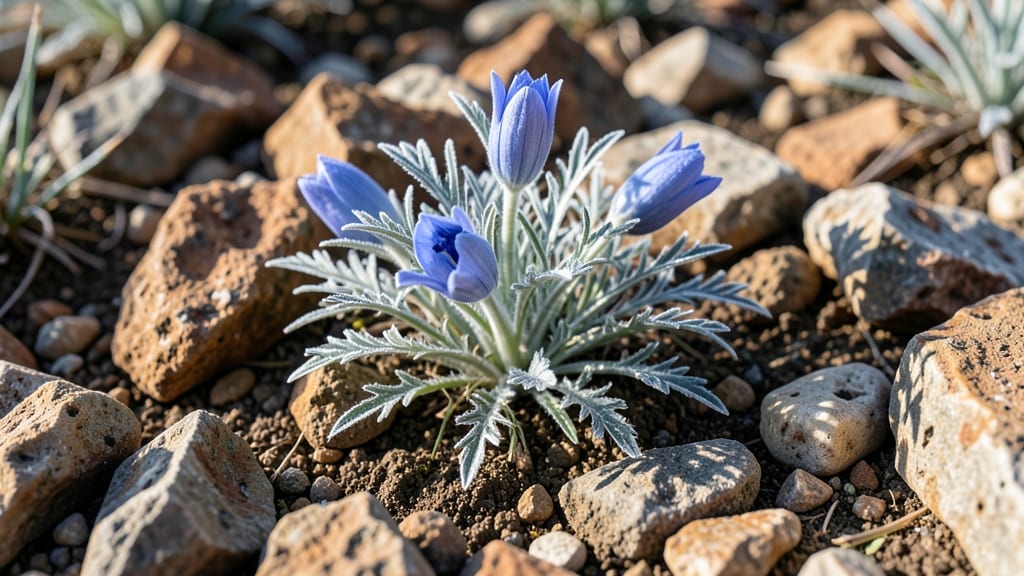
If your garden struggles with rocky soil or drought, Pulsatilla (Pasque flower) is your secret weapon for early spring color. This hardy perennial thrives in USDA zones 3-7, pushing through frost with delicate, silky blue blooms that appear before most other perennials—often as early as March in many regions.
Plant it in full sun where other plants might refuse to grow, and watch it naturalize over time. The fuzzy seed heads that follow blooms add unexpected texture to winter gardens, while its deep roots help prevent erosion on slopes or rocky outcrops. Water sparingly after establishment—this drought-tolerant star needs little care beyond occasional deadheading to keep the garden looking tidy.
Ideal for wildflower meadows, cottage gardens, or even urban containers with gritty soil, Pulsatilla proves that beauty and resilience go hand in hand. 🌻
Lungwort: Silver-Spotted Leaves with Purple Blooms
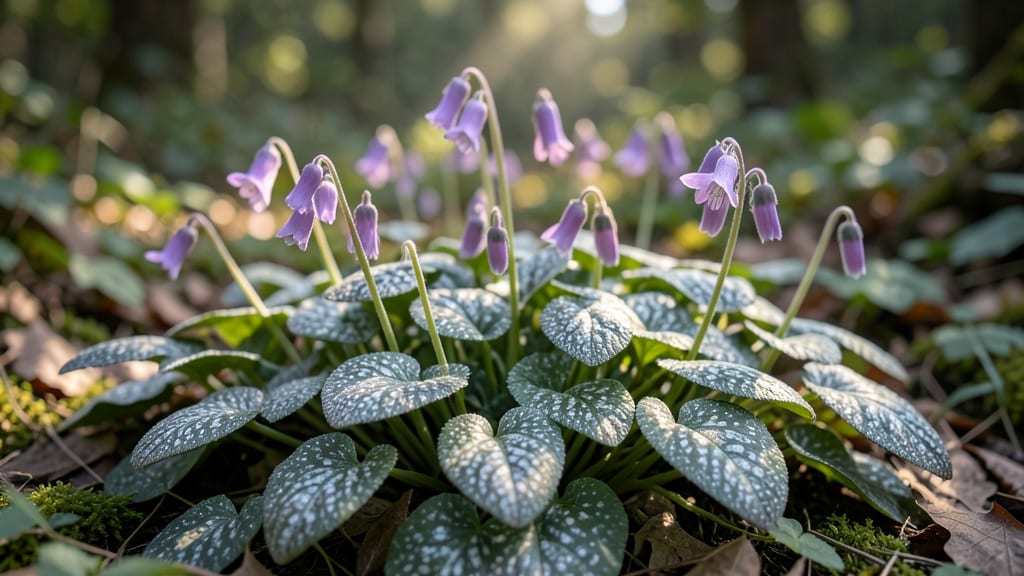
If your garden has shady spots where most perennials refuse to thrive, lungwort (Pulmonaria) is the unsung hero you’ve been waiting for. This hardy plant delivers silver-spotted foliage that stays striking year-round, paired with delicate purple or pink spring blooms that attract early pollinators like bees and butterflies.
Plant it in moist, well-draining soil under trees or along north-facing walls where other plants wilt. Lungwort’s deep roots make it drought-tolerant once established, and its pre-leaf blooming habit means you’ll see color before many neighbors even spot their first green shoots. Prune back faded blooms to encourage fresh foliage, but leave some seed heads for winter interest.
Perfect for woodland gardens, shade borders, or even container plantings, lungwort’s unique texture and early blooms make it a standout for gardeners who love low-maintenance plants with high impact. 🌿
Snowdrop: Ephemeral White Bells in Winter
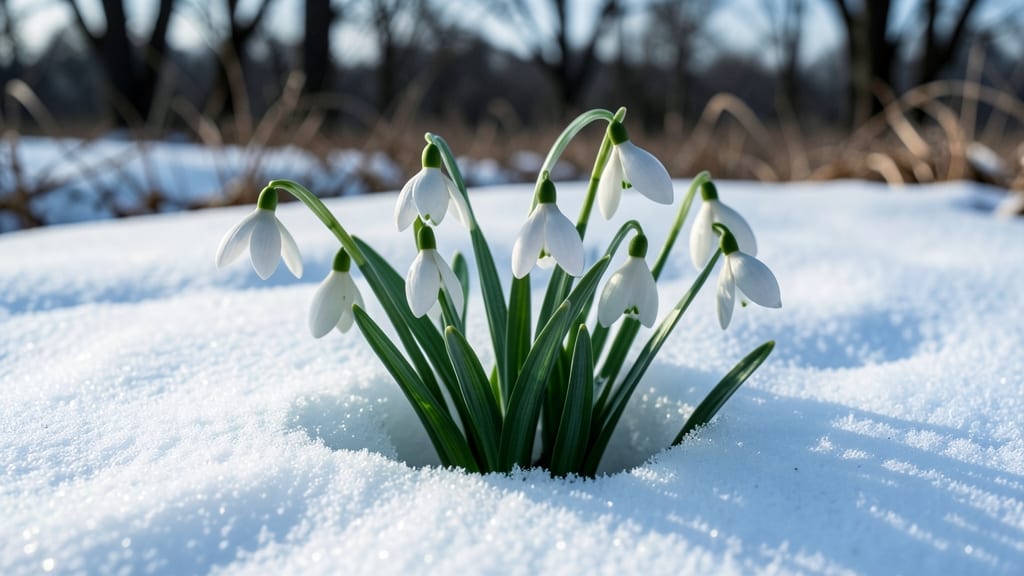
While other perennials wait for spring to arrive, snowdrops (Galanthus) boldly bloom even when snow still blankets the ground. These delicate white bells are nature’s way of announcing that winter’s grip is loosening—often appearing in late winter or early spring (February-March) in USDA zones 3-9.
For gardeners who love forcing blooms indoors, snowdrops are perfect: plant corms in containers in fall, keep them outdoors until snow covers them, then move pots to a cool, bright spot (40-50°F) for weeks of indoor blooms. Outdoors, they naturalize effortlessly in lawns, woodland edges, or under trees, spreading gently each year to create colonies of cheerful white flowers. They thrive in partial to full shade and tolerate poor, dry soil once established—making them ideal for challenging spots.
These low-maintenance charmers bring magic to winter gardens and are especially rewarding for woodland gardeners or those with late-spring climates. Their early blooms provide critical food for bees emerging from hibernation. 💚
Allium Globemaster: Giant Purple Ornaments
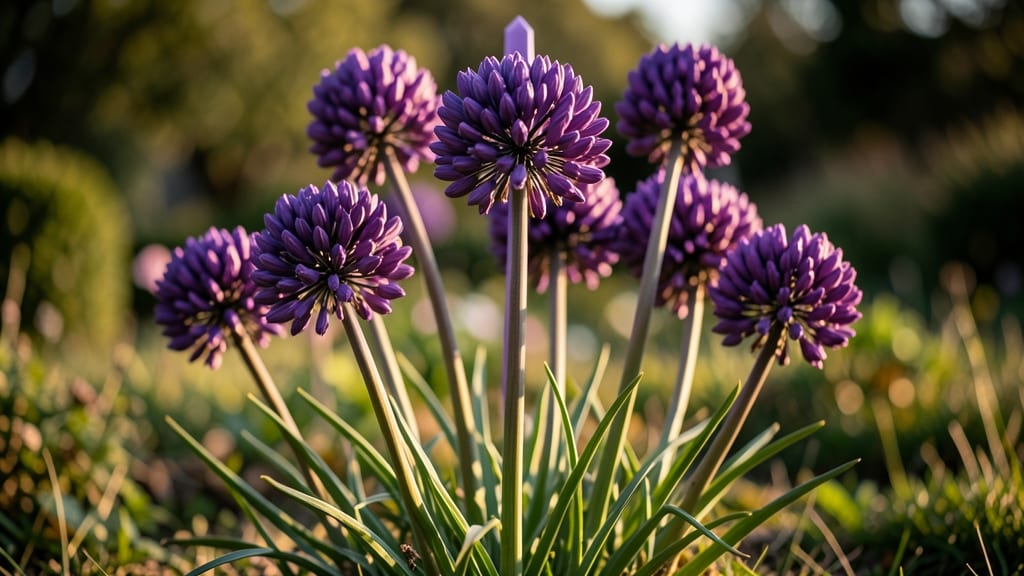
When your perennial borders need a dramatic pop of height and structure, Allium Globemaster delivers with its giant purple globes that rise like architectural sculptures on 3-foot stems. These bold blooms thrive in full sun and bloom reliably in late spring to early summer, long after most early bloomers have faded.
Plant bulbs in fall (6-8 weeks before frost) in well-draining soil with 6+ hours of sun daily. Their drought tolerance makes them ideal for low-maintenance gardens, and their long stems make perfect cut flowers that last 7-10 days in vases. Pair them with delphiniums or grasses to create vertical drama in your borders.
Perfect for cutting gardens or as striking focal points, Allium Globemaster adds year-round interest—even the dried seed heads bring winter charm. 🌻
Primrose: Fragrant Yellow and White Clusters
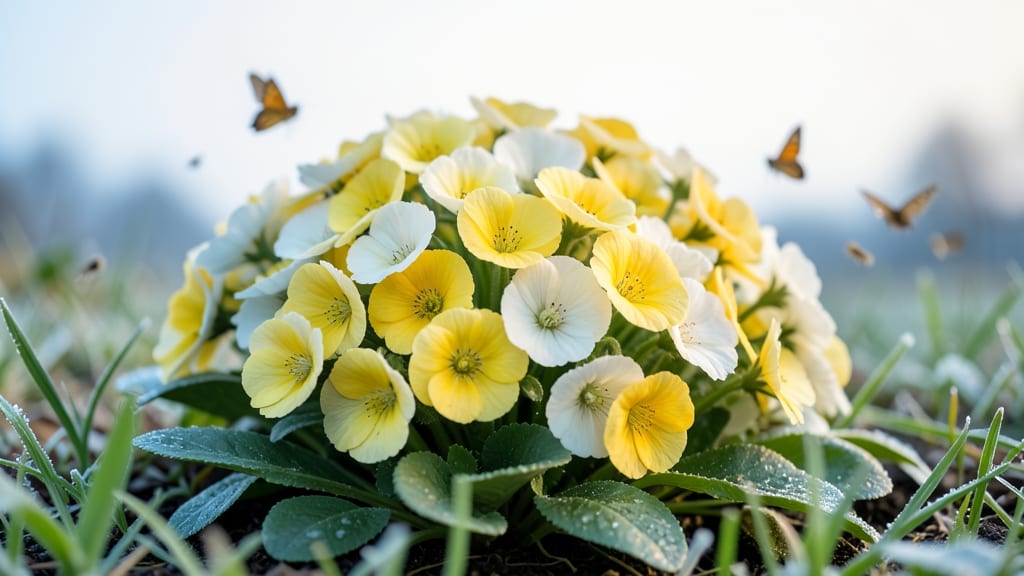
When your garden needs a burst of fragrance to welcome spring, primrose delivers with its sweetly scented clusters of yellow and white blooms. These cheerful flowers are among the first to attract bees and butterflies, turning your yard into a buzzing hub of early-season activity—often appearing as early as February in milder climates.
Unlike sun-loving perennials, primrose thrives in partial shade, making it ideal for spots under trees or along north-facing walls where other plants struggle. Keep the soil consistently moist (but not soggy) and rich in organic matter for the best results. Varieties like Primula vulgaris (common primrose) or Primula denticulata (cut-leaved primrose) add texture with their lobed foliage, while Primula veris (cowslip) offers golden blooms that hummingbirds adore.
Perfect for cottage gardens, woodland edges, or even containers on patios, primrose brings early color and pollinator support with minimal fuss. Plant in fall for spring blooms, and enjoy weeks of fragrant displays that brighten chilly mornings. 💚
Columbine: Spiky Red and Yellow Flowers

When you want to turn a dull slope into a vibrant pollinator paradise, columbine (Aquilegia) is your secret weapon. These spiky, nodding flowers in bold reds and yellows don’t just add vertical drama—they act as a hummingbird magnet, drawing these tiny acrobats to your garden as early as late spring.
Thriving in partial shade where many perennials struggle, columbine tolerates poor soil and even rocky conditions, making it perfect for naturalizing on hillsides or along woodland edges. Its self-seeding habit ensures year-after-year blooms with minimal effort, while the unique spurred flowers create a whimsical, fairy-tale-like appearance in your garden.
Ideal for cottage gardens, wildflower meadows, or urban spaces with partial shade, columbine brings both beauty and life to areas where other plants might fail. Plant in clusters for maximum impact and watch your garden come alive with movement and color. ✨