
Blooming
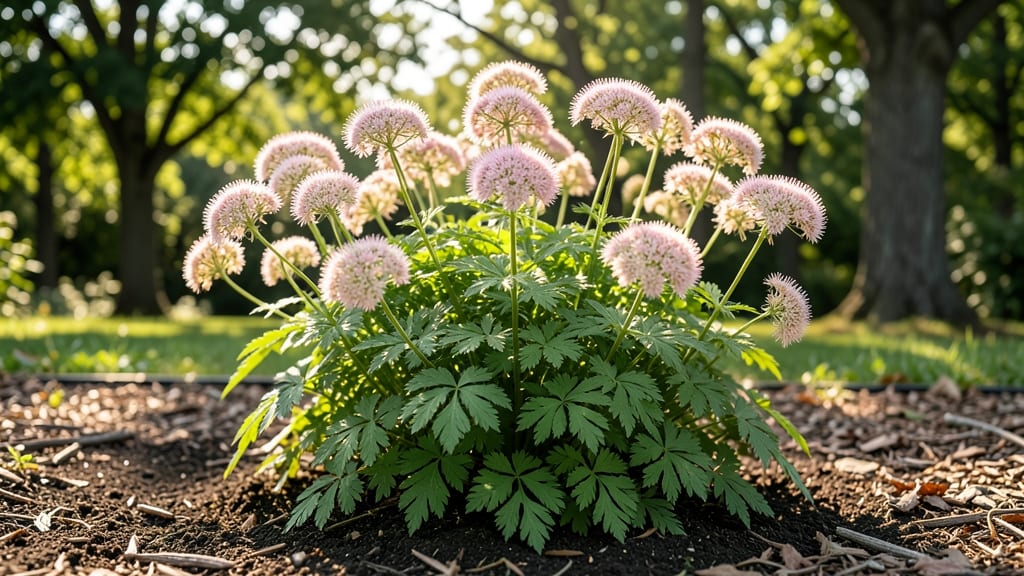
The Queen of the Prairie 🌼 blooms in late June through August, when its feathery plumes rise like a whisper of summer magic—but only if you time its planting and light exposure just right.
Picture this: You’ve waited all spring for your garden to burst into color, only to find your Queen of the Prairie 🌼 sitting pretty but stubbornly refusing to bloom.
That’s because this plant is a light-triggered showstopper—it needs 6+ hours of direct sun daily to kickstart its flowering, and even then, varieties like 'Giant Bouquet' bloom earlier than 'Venusta.'
In USDA Zone 6a, where many gardeners call home, planting after the last frost (around April 15) sets the stage for a summer-long display. But move a few zones north or south, and those bloom times shift—sometimes by weeks.
The good news? A few simple tweaks—like pruning spent blooms or adjusting soil fertility—can coax your Queen of the Prairie 🌼 into flowering earlier or longer than expected.
Below, I’ll break down the exact bloom stages by variety, how hardiness zones reshape your timeline, and the pro tips that turn a maybe-bloom into a showstopping season. Let’s get those plumes dancing.
Queen of the Prairie bloom stages by light exposure & variety
The Queen of the Prairie (Filipendula purpurea) blooms in response to daylight length, making light exposure the key factor in triggering its delicate pink plumes.
Different varieties respond uniquely—some thrive in full sun, while others prefer partial shade, and their bloom times shift based on your hardiness zone. Understanding these patterns helps you choose the right variety for your garden's conditions.
Most varieties bloom in late spring to early summer, but timing varies by 1-2 weeks depending on sunlight and climate. For example, 'Venusta' often blooms earlier in Zone 5 than in Zone 8, where heat delays its start.
Let’s break down how light exposure and variety influence bloom stages.
🌱 Key Insight: Queen of the Prairie needs at least 6 hours of sunlight daily to trigger blooming. In shadier conditions, blooms may appear later or be less abundant. Varieties like 'Giant Bouquet' and 'Venusta' are more forgiving in partial shade, while 'Pink Beauty' demands full sun for optimal performance.
In cooler zones (5-7), Queen of the Prairie typically blooms in three distinct stages: early bloomers like 'Venusta' start in late May, mid-season varieties like 'Giant Bouquet' peak in June-July, and late bloomers like 'Pink Beauty' extend into August.
This staggered timing creates a continuous display from spring to early fall.
For warmer zones (8-9), blooms shift later due to extended daylight. For example, 'Venusta' may start as early as May and continue through September, while 'Pink Beauty' can bloom until October if temperatures remain mild. In these zones, heat stress can reduce bloom quality, so afternoon shade helps.
If you’re in Zone 4 or below, opt for 'Venusta' or 'Purpureum', which tolerate cooler temperatures better. These varieties often bloom 2-3 weeks later than their southern counterparts but produce hardier stems that withstand early frosts.
Always plant in well-draining soil to prevent root rot, which can delay blooming.
To encourage longer bloom periods, deadhead spent flowers in early summer. This trick works best for 'Giant Bouquet' and 'Pink Beauty', which respond well to pruning.
Avoid cutting back after mid-July, as new growth may not have time to mature before winter. Mulch around the base to regulate soil temperature and moisture.
For container gardening, choose 'Venusta'—its compact size makes it ideal for pots. Place containers in morning sun and afternoon shade to prevent wilting. In containers, blooms may arrive 1-2 weeks later than in-ground plants due to limited root space, but they often last longer with consistent watering.
Pro tip: Pair Queen of the Prairie with daylilies or black-eyed Susans to extend your garden’s color palette. While Queen of the Prairie blooms in soft pinks and whites, these companions add bold contrasts that highlight its airy texture. Plant them 18-24 inches apart to avoid competition for sunlight.
🌼 Whether you’re in Zone 5 or Zone 9, selecting the right variety and providing the ideal light conditions ensures your Queen of the Prairie will dazzle from late spring through early fall. Experiment with different varieties to find the perfect fit for your garden’s light and climate!
How hardiness zones affect Queen of the Prairie bloom timing
The Queen of the Prairie (Filipendula purpurea) thrives in USDA hardiness zones 3-9, but bloom timing shifts dramatically depending on your zone. In colder zones (3-5), expect late June to August blooms, while warmer zones (7-9) may see flowers as early as May.
Understanding these variations helps you time plantings for the most spectacular display.
For gardeners in zones 3-4, frost can delay blooms until mid-July. In contrast, zones 6-9 often enjoy blooms by late May or early June. The key difference? Daylight hours trigger flowering, and warmer zones reach critical light thresholds earlier in the season.
In zones 3-5, early spring plantings (March-April) give plants time to establish before summer heat. For frost-sensitive varieties like 'Venusta,' wait until after last frost (typically mid-May) to avoid cold damage.
Warmer zones (7-9) benefit from fall planting to take advantage of cooler temperatures and extended daylight. This strategy ensures blooms appear earlier in spring and often last longer into late summer.
To extend bloom periods in colder zones, try partial shade strategies—plant near tall shrubs to delay afternoon sun exposure. In zones 3-4, mulching heavily in fall can protect roots and encourage earlier spring growth.
Regardless of zone, consistent moisture during establishment (first 2-3 years) is critical. Once established, Queen of the Prairie becomes drought-tolerant, but regular watering in zones 7-9 during summer heat preserves vibrant blooms.