
Blooming
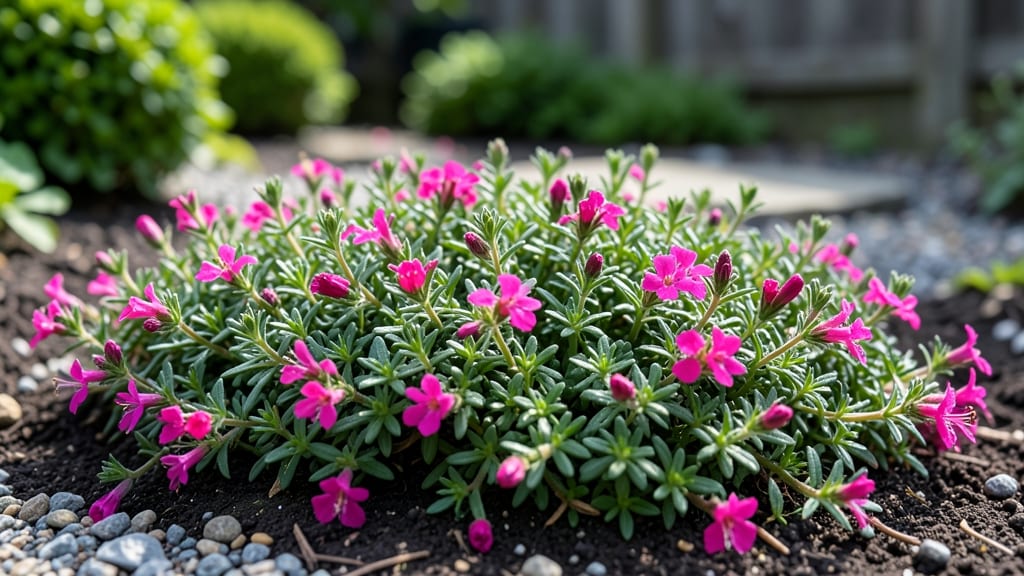
Red creeping thyme blooms in late spring to early summer 🌿, a vibrant 3-month window that turns your garden into a pollinator magnet—but only if you nail the timing and heat triggers.
If you’ve ever admired the vibrant red blooms of creeping thyme but wondered why yours refuses to flower consistently, the answer lies in its precise bloom window—and the heat triggers that unlock it.
Most gardeners in USDA Zone 6 see those signature red spikes appear between June and August, but cooler climates or shady spots can delay or even block blooms entirely. The key? A mix of full sun, well-draining soil, and daytime temps hitting 75–85°F.
Here’s how to extend that bloom time, troubleshoot missed windows, and keep your red creeping thyme putting on its best show year after year—without replanting.
Red creeping thyme bloom time: the exact 3-Month window & seasonal factors
If you’ve ever admired the vibrant red creeping thyme blooms but wondered why yours refuses to flower consistently, the answer lies in its precise 3-month bloom window.
This hardy perennial typically bursts into color from late May to early August, but the exact timing depends on your USDA hardiness zone and local climate. Understanding these factors lets you adjust care for the best display every year.
The bloom trigger for red creeping thyme is a combination of warm daytime temperatures (75–85°F) and cooler nights (below 60°F). This temperature shift signals the plant to produce those signature pink-red flowers that attract pollinators.
In cooler climates (zones 4–6), blooms often arrive 2–3 weeks later than in warmer regions (zones 7–9).
Here’s the critical timeline: In most regions, you’ll see buds form in late April to early May, with full blooms peaking in June and July. However, if your area experiences unseasonably cold springs, flowering may delay until mid-to-late summer. The good news? Once established, red creeping thyme is perennial, so it’ll return year after year with proper care.
| Factor | Impact on Bloom Time | Adjustments for Optimal Blooms |
|---|---|---|
| USDA Zone | Zones 4–6: Blooms 2–3 weeks later (June–July) Zones 7–9: Blooms earlier (May–June) |
Use black landscape fabric in cooler zones to warm soil |
| Daytime Heat | Requires 75–85°F for bud formation | Plant in south-facing spots or use reflective mulch |
| Nighttime Temps | Needs below 60°F nights for blooming | Avoid overwatering at night to prevent heat retention |
| Soil Drainage | Poor drainage delays blooms by 3–4 weeks | Amend with sand or gravel for faster drainage |
| Sunlight | 6+ hours daily is non-negotiable | Move containers to sunniest spot in early spring |
Your local climate plays a bigger role than you might think. For example, in Pacific Northwest regions (Zone 7–8), red creeping thyme often blooms in late May because cooler ocean breezes delay heat buildup.
Meanwhile, in Southern California (Zone 10), the plant may start flowering as early as April due to consistent warmth. To check your specific window, note when nearby lavender or rosemary blooms—these plants share similar heat triggers.
One common mistake gardeners make is assuming red creeping thyme blooms every year without maintenance. In reality, the plant may skip flowering if it’s overcrowded or lacks nutrients. A light spring feeding (5-10-10 fertilizer) can jumpstart blooms, but avoid heavy doses—this herb prefers lean, well-draining soil.
I’ve found that dividing mature clumps every 3–4 years also resets growth cycles for more reliable blooming.
If you’re in a cooler microclimate (like a shaded garden bed), try creating a mini heat island by planting thyme near dark mulch or black gravel. This raises soil temperatures by 5–10°F, mimicking the warmth needed for bud formation.
Another trick? Plant thyme near stone walls or patios, which absorb and radiate heat during the day. Just ensure the area still gets full sun—this plant won’t bloom in shade.
For container gardeners, timing is everything. If you’re growing red creeping thyme in pots, move them to warmer locations in early spring (like a sunny patio) to accelerate blooming. I’ve seen potted thyme bloom 2 weeks earlier than in-ground plants when given this extra warmth.
Just ensure containers have drainage holes—waterlogged roots will stall flowering faster than any temperature adjustment.
Pro tip: Deadhead spent blooms in early July to encourage a second flush of flowers in late summer. This works best in warmer climates (zones 7–9), where the plant has enough stored energy for reblooming.
In cooler zones, focus on protecting the plant from early frosts to preserve next year’s blooms. A light layer of straw mulch in fall can make all the difference.
Remember, red creeping thyme is drought-tolerant once established, but consistent morning watering (not evening) helps maintain the right temperature balance for blooming. Overwatering in summer can actually delay flowering by keeping soil too cool. Aim for <
Heat triggers for red creeping thyme blooms: how temperature affects flowering
Red creeping thyme thrives on a delicate balance of daytime heat and cool evenings—two conditions that act like nature’s switch to trigger those stunning red blooms. When daytime temperatures hover between 75–85°F, your thyme plants signal their internal clock to prepare for flowering.
But here’s the catch: without a nighttime temperature drop below 60°F, those buds often fail to open. This temperature contrast is what kickstarts the blooming process, making it the secret to lush, vibrant flowers.
If you live in a hot desert climate or humid zone, your thyme might struggle to bloom because nights stay too warm. The plant needs that temperature shift to break dormancy and start producing flowers.
Without it, you’ll see plenty of green foliage but few—if any—red blooms. Understanding this science helps you create the perfect conditions, even if your local weather doesn’t cooperate naturally.
To mimic these ideal conditions in hot climates, try placing thyme in partial shade during peak afternoon heat. A simple trick is using a lightweight shade cloth (30–50% coverage) to lower leaf temperatures slightly while still allowing sunlight.
For cooler climates, protect plants from late spring frosts with frost cloth to avoid shocking the plant before it’s ready to bloom.
Another pro tip: If your thyme blooms but then fades quickly, it’s often because the plant is putting all its energy into seed production. To extend the bloom time, deadhead spent flowers regularly.
This encourages the plant to produce more blooms instead of focusing on seeds, giving you a longer display of those gorgeous red flowers.
For container gardeners, choose terracotta pots—they breathe better than plastic and help regulate soil temperature. If your thyme is in the ground, mulch around the base with gravel or coarse sand to improve drainage and prevent soil from overheating.
These small adjustments can make a big difference in bloom quality and duration.
Remember, red creeping thyme is perennial in zones 5–9, meaning it’ll return year after year if given the right conditions. By mastering these heat triggers, you’ll unlock consistent, vibrant blooms that turn heads every season.
The key is patience and paying attention to those temperature cues—your thyme will thank you with a stunning display!