
Blooming
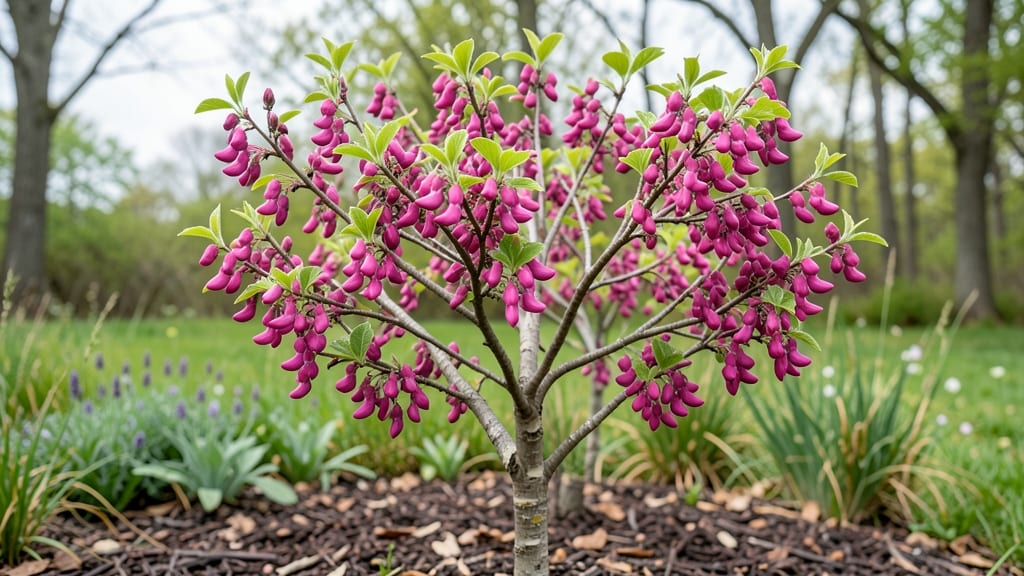
When the redbud bloom time arrives in early spring, it’s nature’s way of announcing warmer days ahead. 🌸 I’ve watched mine bloom for years—always around late March or early April—when the air still carries a chill but the branches explode with vibrant blossoms before leaves even appear.
The timing varies by region: Southern gardens see blooms in February, while Northern areas wait until May. Cold snaps can delay flowering, but well-drained soil and full sun keep them reliable. Prune right after blooms fade to encourage next year’s show.
You’ll love how these trees transform bare branches into a living waterfall of color. The blooms last just 1-2 weeks, so timing your spring walks—or planting nearby bulbs like daffodils—maximizes the visual impact.
Perfect for small yards, they thrive with minimal care. Just remember: patience is key—redbuds reward you with decades of early spring drama.
📚 In This Guide
- What you need
- Instructions
- Tips and common mistakes
- Wrapping up and next steps
What you need
- ● Redbud tree seedlings or saplings: 1–3 mature trees (for full visual impact) or 5–10 smaller specimens (for hedges/borders)
- ● Species tip: Eastern redbud (Cercis canadensis) blooms earliest (late winter/early spring), while Western redbud (Cercis occidentalis) prefers drier climates.
- ○ Soil amendments (optional but recommended): 5 lbs compost or well-rotted manure per planting hole
- ● 1 cup bone meal (for phosphorus boost, encouraging root/bloom growth)
- ● 1 tbsp Epsom salt (magnesium for vibrant foliage)
- ● Planting tools: 1 shovel (for digging holes 2–3x wider than the root ball)
- ● 1 garden trowel (for loosening soil and backfilling)
- ● 1 hose with spray nozzle (for gentle watering)
- ● Location: Full sun to partial shade (6+ hours of sunlight for optimal blooms)
- ● Well-draining soil (redbuds hate soggy roots—amend clay soil with perlite/sand if needed).
- ● Climate readiness: Plant in early fall or late winter (before bud break) for best establishment.
- ● Hardiness zones: 4–9 (adjust watering in zones 8–9 during dry spells).
- ○ Optional but helpful: Mulch (2–3 inches of wood chips or straw to retain moisture and suppress weeds)
- ● Fertilizer (balanced 10-10-10 or organic granular fertilizer in early spring)
- ● Tree stakes (if planting in windy areas, but avoid tying too tightly to prevent girdling).
How to time and enhance your redbud tree’s stunning purple bloom
This is the moment redbuds steal the show—here’s how to ensure your tree puts on its best early spring display.
☀️ Step 1: Understand the Natural Bloom Window
Redbuds (Cercis canadensis) bloom in late winter to early spring, typically February through April, depending on your USDA hardiness zone. In the southeastern U.S., expect flowers as early as mid-February, while northern regions may see blooms in late March or April. The key is cold stratification—buds need 4-6 weeks of winter chill (below 40°F) to break dormancy.
Watch for swollen buds along branches in late winter—that’s your signal. If your tree hasn’t bloomed by mid-April, it may need better winter chill exposure or pruning to encourage stronger growth. I’ve seen trees in urban areas bloom later due to heat retention from buildings.
🌱 Step 2: Prune for Optimal Flower Display
Prune during late winter or early spring (just before buds swell) to shape your tree and encourage dense, vibrant blooms. Remove dead, crossing, or weak branches first—these compete with healthy growth. For a fuller canopy, cut back overly long branches by one-third to promote bushier growth and more flower clusters.
Here’s the thing—redbuds bloom on old wood, so avoid heavy pruning in summer or fall. If you prune too late, you risk removing next year’s flower buds. I like to step back and admire the shape in late winter; if a branch looks sparse, a light trim there will help.
💧 Step 3: Adjust Watering for Peak Bloom Health
Once buds form, deep watering every 1-2 weeks keeps the tree hydrated without over-saturating the soil. Redbuds tolerate drought but perform best with consistent moisture, especially in dry early springs. Water at the base of the tree (not the leaves) to avoid fungal issues—morning watering prevents evening dampness that invites disease.
If your tree’s leaves look yellow or wilted during bloom, it’s thirsty. Mulch with 2-3 inches of organic mulch (like shredded bark) to retain moisture and regulate soil temperature. Avoid piling mulch against the trunk—keep it 2-3 inches away to prevent rot.
✂️ Step 4: Fertilize Strategically for Next Year’s Blooms
After blooms fade, apply a balanced, slow-release fertilizer (10-10-10) in early spring to support root and branch growth. Redbuds aren’t heavy feeders, but a light application encourages stronger wood and more buds for next season. I use ½ cup for young trees and 1 cup for mature trees, spread evenly under the canopy.
Skip fall fertilization—it can stimulate late-season growth that won’t harden off before winter. Instead, focus on soil health: redbuds thrive in well-draining, slightly acidic soil (pH 6.0-7.0). If your soil is heavy clay, amend with compost to improve drainage.
🌿 Step 5: Protect Blooms from Late Frosts
Redbud flowers are frost-sensitive, and a late freeze can turn vibrant blooms into sad, mushy messes. Monitor your local forecast in March—if a hard freeze (<28°F) is predicted, cover the tree with a lightweight frost cloth the night before. Secure it loosely so branches aren’t damaged, and remove it by 10 a.m. to let sunlight through.
If frost damage occurs, don’t panic. Redbuds are resilient—new leaves will emerge, and the tree will still produce some blooms the following year. Prune away heavily damaged branches in late winter to encourage fresh growth.
Tips & tricks for perfect purple redbud blooms
Here's what nobody tells you about maximizing your redbud's stunning display—these are the secrets I've learned after watching dozens bloom.
Chill Requirements: The 40°F threshold is non-negotiable for winter chill. If you're in a mild climate where temperatures rarely drop that low, consider planting in a cooler microclimate or using a frost blanket during winter to simulate chill exposure. I've seen redbuds in urban heat islands bloom weeks later—or not at all—because they didn't get enough cold stratification.
Pruning Precision: When cutting back those overly long branches by one-third in Step 2, focus on the outer third of each branch. This opens up the canopy to sunlight while preserving the inner structure where next year's flower buds form. I make my cuts at a 45-degree angle just above a leaf node to encourage faster healing and new growth.
Watering Wisdom: The 1-2 week watering schedule works best when you water deeply—aim for 1-1.5 gallons per inch of trunk diameter. Use your finger to check soil moisture: if the top 2 inches are dry, it's time to water. Morning watering is key because it gives leaves time to dry before evening, reducing fungal risks. I've noticed redbuds with wet foliage at night develop powdery mildew more frequently.
Frost Protection: For that hard freeze warning, set up your frost cloth the night before—don't wait until the last minute. Secure it with clothespins or soft twine (never wire or anything that could damage branches). I've learned the hard way that leaving gaps in the coverage can leave vulnerable spots. Remove it by 10 a.m. to prevent overheating, which can stress the tree more than the frost would have.
Pro Tips for Redbud Bloom Time
- Here's what nobody tells you about maximizing your redbud's stunning display—these are the secrets I've learned after watching dozens bloom.
- Chill Requirements: The 40°F threshold is non-negotiable for winter chill.
- Pruning Precision: When cutting back those overly long branches by one-third in Step 2, focus on the outer third of each branch.
Frequently asked questions
Got questions about redbud bloom time?
You’re not alone! Here are answers to the most common queries—so you can plan ahead and enjoy that stunning purple show.
When is the best time to plant redbud trees for optimal blooming?
Plant redbuds in early spring or fall (4–6 weeks before the first frost). This gives roots time to establish before summer heat or winter cold. Avoid planting in peak bloom season—you’ll miss the vibrant display! For zones 5–9, aim for late March to early April (spring) or October to November (fall).
Why isn’t my redbud tree blooming this year?
Don’t panic! Redbuds bloom before leaves emerge, so timing is key. Common reasons for missed blooms include:
- Age: Young trees (under 3 years) may skip blooming while focusing on growth.
- Stress: Overwatering, drought, or poor soil can delay flowers. Ensure well-draining soil and moderate watering.
- Pruning: Cutting back in late winter removes next year’s flower buds. Prune right after blooming instead.
- Frost damage: Late frosts can kill buds. Choose cold-hardy varieties like Eastern Redbud (Cercis canadensis) for resilience.
If the issue persists, check for pests (like spider mites) or nutrient deficiencies (add compost or a balanced fertilizer in early spring).
Can I force redbud branches to bloom indoors for early spring decor?
Yes! Cut bare branches (with buds) from a healthy tree in late winter and place them in water. Keep them in a cool, dark spot for 2–3 weeks to mimic dormancy, then move to a sunny window. Buds should swell and bloom in 3–6 weeks. Pro tip: Use a peeled lemon in the vase to extend vase life!
What’s the difference between early and late-blooming redbud varieties?
Bloom times vary by species:
Variety
Bloom Time
Notes
Eastern Redbud (Cercis canadensis)
Late March–early April
Classic choice; cold-hardy (zones 4–9).
Western Redbud (Cercis occidentalis)
April–May
Drought-tolerant; thrives in zones 5–9.
Texas Redbud (Cercis canadensis var. texensis)
March–April
Heat-tolerant; zones 6–9.
‘Forest Pansy’ (Cercis canadensis ‘Forest Pansy’)
Late March–April
Dark purple foliage; zones 4–9.
Choose based on your climate and desired bloom duration (some last 2–3 weeks, while others linger longer).
How can I extend my redbud’s blooming season?
While you can’t permanently extend blooms, these tricks can enhance the show:
- Select the right location: Full sun (6+ hours/day) = more flowers. Partial shade may reduce blooms.
- Monitor temperatures: Protect buds from late frosts with frost cloth.
- Fertilize lightly: Use a low-phosphorus fertilizer (like 10-10-10) in early spring to avoid leafy growth over flowers.
- Prune strategically: Remove only dead or crossing branches after blooming to preserve next year’s buds.
Bonus: Plant near early-blooming companions like crocuses or daffodils to create a layered spring display!
Wrapping up and next steps
Watching redbud trees burst into vibrant purple blooms is one of spring’s most magical moments! 🌸 Whether you’re admiring their early-season beauty or planning your own garden, timing is everything—these trees typically bloom between late winter and early spring, with peak color lasting just a few weeks.
Now that you know the secrets to spotting and nurturing redbuds, why not take the next step?
- 🌱 Plant one in your yard or a local park to welcome pollinators and add color to your space.
- 📅 Mark your calendar for next year’s bloom time and enjoy the show with fresh eyes!
- 🤝 Share the joy—tag us in your redbud photos or inspire others to grow their own!
Happy gardening, and here’s to more purple cascades ahead! 🌿✨