
Blooming
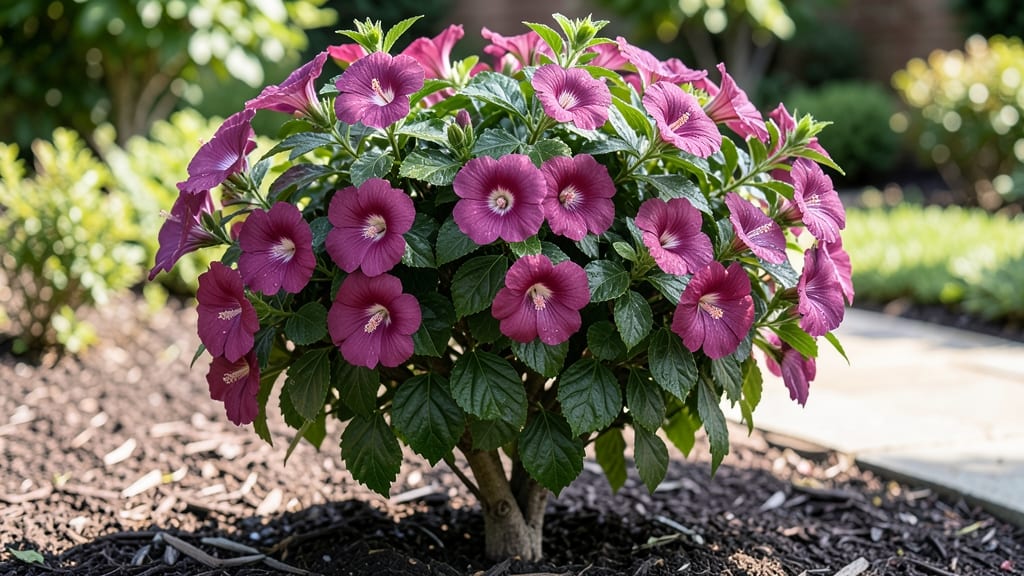
The rose of Sharon bloom season arrives in late summer through fall, delivering those iconic purple spikes that turn heads in any garden.
If you’ve ever waited eagerly for those stunning blooms, you know timing is everything—because a two-week shift in your zone can mean the difference between a full-season show and a sparse display. The secret? Understanding how climate, pruning, and even your chosen variety affect bloom windows.
From the first flush of flowers in Zone 6a to the extended displays in warmer regions, this shrub surprises gardeners with its adaptability. Some varieties even rebloom lightly after pruning, giving you a second chance at color if you time it right.
Here’s how to predict your Rose of Sharon’s bloom season by zone, plus pro tips to coax extra blooms and plan your garden maintenance like a pro.
Rose of Sharon bloom season by USDA hardiness Zone: when to expect purple spikes
Timing your Rose of Sharon blooms is all about understanding your USDA hardiness zone and cultivar. In Zone 5, expect blooms to arrive later—typically mid-to-late July—while Zone 10 gardeners enjoy flowers from June through September.
These differences are due to frost dates, heat accumulation, and variety-specific traits. Knowing your zone helps you plan for seasonal color and adjust care routines accordingly.
Climate plays a huge role in bloom timing. Cooler zones (5-7) often see shorter bloom seasons, while warmer zones (8-10) experience extended flowering. For example, ‘Avalanche’ blooms later in Zone 6 than in Zone 9.
Even within a zone, microclimates—like urban heat islands or sheltered yards—can shift bloom windows by 2-3 weeks. Pay attention to your local frost dates and heat patterns to fine-tune predictions.
Here’s how to use this comparison table to predict your Rose of Sharon’s bloom season based on your zone and variety:
| USDA Zone | Typical Bloom Window | Early Varieties | Mid-Season Varieties | Late Varieties | Climate Notes |
|---|---|---|---|---|---|
| 5 | Mid-July to early September | ‘Miss Kim’ (white) | ‘Katherine Havemeyer’ (purple) | ‘Blue Bird’ (lavender) | Short season; prune aggressively in spring |
| 6 | Late June to October | ‘Annabelle’ (white) | ‘Avalanche’ (white/pink) | ‘Dart’s Little Dream’ (pink) | Moderate frost risk; protect young blooms |
| 7 | June to November | ‘Blue Moon’ (lavender) | ‘Minerva’ (purple) | ‘Lavender Dream’ (lavender) | Long season; minimal frost threat |
| 8 | May to December | ‘Dart’s Little Dot’ (pink) | ‘Blue Sky’ (lavender) | ‘Red Heart’ (red) | Year-round blooms possible with mild winters |
| 9-10 | April to October | ‘Alba’ (white) | ‘Diana’ (purple) | ‘Pink Giant’ (pink) | No frost; blooms continuously if pruned |
If you’re in Zone 5 or 6, focus on late-blooming varieties like ‘Blue Bird’ to extend your season. These cultivars thrive in cooler climates and often rebloom lightly in fall.
For Zones 7-10, prioritize ‘Avalanche’ or ‘Minerva’—they handle heat and humidity better, ensuring vibrant blooms even in summer’s peak. Always check your local last frost date to time pruning for optimal flowering.
Pruning timing directly impacts bloom windows. In Zones 5-6, prune in early spring (March) to encourage late-summer blooms. For Zones 7-10, light pruning in late winter (February) keeps flowers coming year-round.
Avoid heavy pruning after July—this can delay next year’s blooms. Use sharp, sterilized shears to make clean cuts just above a bud node for best results.
Soil health is another game-changer for bloom timing. Well-draining, slightly alkaline soil (pH 6.5-7.5) helps Rose of Sharon absorb nutrients efficiently, leading to earlier and more abundant blooms. Amend heavy clay soil with compost or sand to improve drainage.
In Zones 9-10, where soil stays warm year-round, mulch with wood chips to retain moisture and regulate root temperature. This small step can push blooms 2-4 weeks earlier in spring.
Watering strategies also affect bloom schedules. Deep, infrequent watering
Top 5 Rose of Sharon varieties ranked by bloom duration and seasonal reliability
Choosing the right Rose of Sharon variety can transform your garden from a late-summer splash to a season-long spectacle. Some cultivars burst into color for just 4-6 weeks, while others reward you with 3-month blooms.
Let’s compare the top performers based on bloom duration, frost tolerance, and seasonal reliability so you can pick the perfect match for your climate.
Whether you’re in USDA Zone 5 or Zone 9, these varieties deliver stunning purple, pink, or white flowers—but their timing and resilience differ dramatically. For example, ‘Miss Kim’ thrives in heat, while ‘Avalanche’ handles early frosts like a champ.
Let’s dive into the details so you can plan your garden’s bloom calendar with confidence.
‘Avalanche’ tops the list for bloom duration, offering 8-12 weeks of white flowers that resemble hydrangeas. It’s a re-bloomer, meaning it produces two flushes of flowers per season—once in early summer and again in late summer. This variety is especially prized in cooler climates (Zones 5-7) because it handles early frosts better than most. Pair it with ‘Diana’ for a pink-and-white garden showstopper.
If you’re in a hotter zone (Zones 8-10), ‘Miss Kim’ is your heat-loving hero. This compact variety blooms for 6-8 weeks with vibrant pink flowers and thrives in urban landscapes where space is limited.
Its dwarf size (6-8 ft) makes it perfect for small gardens or container growing. Just be prepared to prune aggressively to keep it tidy—it grows fast!
For late-season color, ‘Katherine Havemeyer’ delivers deep pink blooms that last 7-9 weeks and often rebloom after pruning. This variety is disease-resistant and frost-hardy, making it ideal for Zone 5 gardens. Plant it near a south-facing fence to maximize its sun exposure and extend its bloom time.
Don’t overlook ‘Annabelle’, a white-flowered variety with 8-10 weeks of blooms that resist powdery mildew better than most. It’s a reliable performer in Zones 6-9 and pairs beautifully with purple coneflowers for a pollinator-friendly garden.
To encourage longer blooms, deadhead spent flowers in early fall—this tricks the plant into producing another round of buds.
Lastly, ‘Blue Bird’ offers deep purple blooms for 6-8 weeks and is highly fragrant, making it a butterfly magnet. While it’s not as frost-tolerant as ‘Avalanche,’ it excels in Zones 6-9 and thrives in partial shade, which is a bonus for woodland gardens.
Mulch heavily in winter to protect its roots from freeze-thaw cycles.