
Blooming
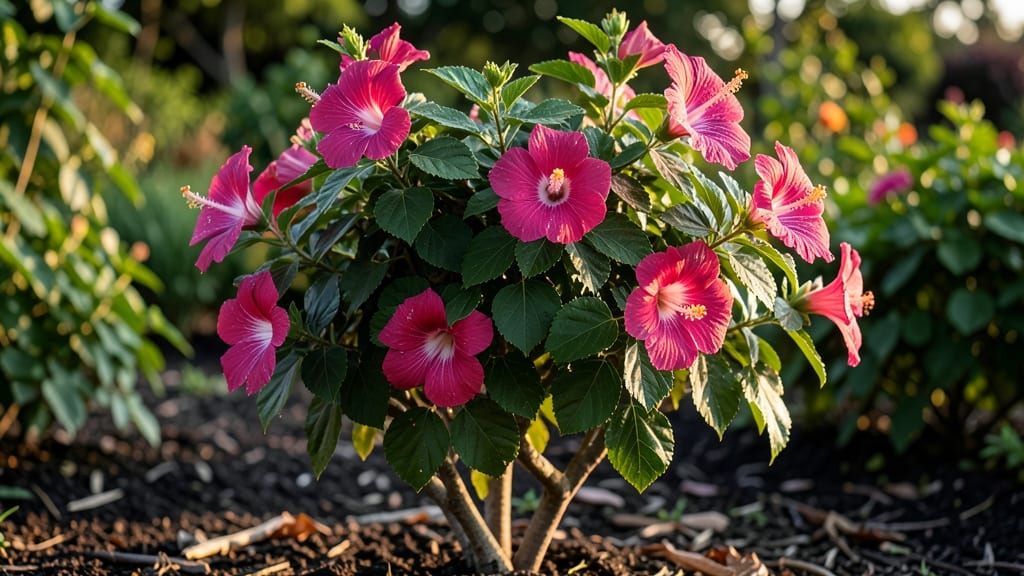
The Rose of Sharon blooms in late summer to fall, but the exact timing shifts dramatically depending on your heat zone—and that’s the secret to planning your garden’s most stunning show.
Wondering why your 🌸 Rose of Sharon blooms in July one year but not until September the next? The answer lies in heat zones—and understanding them can help you predict (and even control) when these stunning flowers will grace your garden.
In cooler zones like 6a, blooms often start in mid-August, while warmer climates see flowers as early as June.
A single degree difference in average summer temperature can push flowering weeks earlier or later, which is why gardeners in Zone 7 might enjoy a second flush of blooms if they time pruning just right.
Below, I’ll break down the science behind these shifts, how to read your climate’s cues, and the simple adjustments that can extend your Rose of Sharon’s show by weeks—no matter where you live.
How heat zones directly impact Rose of Sharon bloom time
The Rose of Sharon (Hibiscus syriacus) thrives on heat—but not all heat zones treat it the same. Your plant’s bloom time shifts dramatically depending on whether you’re in Zone 5 or Zone 10.
In cooler zones, buds need consistent warmth to open, while warmer climates trigger blooms earlier. This isn’t just luck; it’s temperature science at work.
Think of your Rose of Sharon as a thermometer with petals. It “reads” your local climate and adjusts its schedule accordingly. A 5°F difference can push blooms forward by weeks.
For example, gardeners in Zone 7 often see flowers in July-August, while those in Zone 9 might enjoy them as early as June. Understanding these patterns helps you plan pruning and fertilizer schedules for maximum impact.
Here’s how heat zones directly control your Rose of Sharon’s bloom window, from bud formation to peak flowering:
| USDA Heat Zone | Avg. Bloom Start | Peak Bloom Window | Key Temperature Trigger |
|---|---|---|---|
| Zones 3-4 | Mid-August | August–September | 70°F+ for 10+ days |
| Zones 5-6 | Early July | July–August | 65°F+ for 14+ days |
| Zones 7-8 | Late June | June–September | 60°F+ for 21+ days |
| Zones 9-10 | May–June | May–October | 55°F+ for 28+ days |
| Zone 11 | April–May | April–November | 50°F+ year-round |
Note: Late frosts in cooler zones can delay blooms by 2-4 weeks.
The temperature threshold for bud break is your first clue. In Zones 3-4, your Rose of Sharon waits until soil and air warm to 70°F+ for 10+ days before pushing buds.
That’s why you’ll rarely see blooms before mid-August there. Meanwhile, in Zone 11, the plant blooms nearly year-round because it never faces true dormancy—just slower growth in cooler months.
What’s less obvious is how day length interacts with heat. In Zones 7-8, your shrub uses longer daylight hours (14+ hours) to signal blooming, but it still needs consistent warmth to sustain flowers.
Skip the heat, and you’ll get buds that abort before opening. This is why gardeners in Zone 9 sometimes see a second flush in fall—cool nights trigger dormancy-like behavior, resetting the cycle.
Pruning plays a hidden role too. If you prune in late winter (as many do in Zones 5-6), you’re essentially telling your Rose of Sharon to “start over” and delay blooms by 4-6 weeks.
But in Zones 9-10, where winters are mild, pruning right after blooming encourages a second flush by removing spent flowers and redirecting energy. The same pruning can backfire in cooler zones, leaving your plant confused about when to bloom.
Watering strategy also shifts with heat zones. In Zone 10, your Rose of Sharon might thrive on weekly deep waterings year-round, while in Zone 5, you’ll need to reduce water in late summer to prevent overly lush growth that doesn’t flower.
The plant interprets excess moisture as a signal to focus on leaves, not blooms—a critical mistake in cooler climates where every degree counts.
Even soil temperature matters. In Zones 3-4, cold soil can delay root activity by 3-4 weeks, pushing back blooms. Amend your soil with compost or black plastic mulch to warm it faster. In contrast, Zone 11 gardeners often face the opposite problem: overhe
Exact bloom time by heat Zone: what to expect each month
Your Rose of Sharon (Hibiscus syriacus) is a master of seasonal timing, but its bloom schedule shifts dramatically depending on your USDA heat zone. In Zone 5, frosty springs can delay blooms until mid-July, while Zone 10 gardeners often enjoy flowers as early as June.
Understanding these patterns helps you plan pruning, fertilizing, and even winter protection to maximize blooms.
The key to predicting bloom time lies in temperature thresholds. Rose of Sharon buds typically form in late spring when daytime temps consistently reach 65°F+. However, a late frost can shock the plant, pushing back blooms by 3-4 weeks.
Warmer zones trigger earlier budding, but second flushes (late-season blooms) are more reliable in cooler climates where summer heat isn’t overwhelming.
- 🌡️ Zone 5: Mid-July to September (peak August); second flush possible if pruned in early spring.
- 🌡️ Zone 6-7: Late June to October (peak July-August); frost risk can cut short September blooms.
- 🌡️ Zone 8-9: June to November (peak July-September); longer bloom season due to milder winters.
- 🌡️ Zone 10: May to October (peak June-July); heat stress may reduce late-season blooms.
- ⚠️ Pro Tip: Prune after first frost in Zones 5-7 to encourage spring blooms the following year.
In Zone 5, where winters are harsh, your Rose of Sharon may produce its first flush in mid-July after surviving a long dormancy. However, if you live in Zone 8 or 9, you’ll likely see buds forming as early as May, with continuous blooms through October.
The difference? Warmer zones provide consistent warmth without the temperature swings that stress cooler-climate plants.
Don’t overlook the second flush—a common but often overlooked feature. In Zones 6-9, if you prune lightly in early summer, you can trigger a late-season bloom in September or October.
This works because the plant responds to reduced stress and lengthening daylight in fall. Just avoid heavy pruning after mid-summer, or you’ll sacrifice next year’s blooms.
Late frosts are the bloom time’s worst enemy. A 32°F night in June can kill buds before they open, especially in Zones 5-6. To protect your Rose of Sharon, cover young plants with frost cloth or use row covers during critical bloom periods.
In Zone 10, the opposite problem occurs: heat waves above 95°F can cause buds to drop prematurely, shortening the bloom season.
For gardeners in Zones 7-9, the best bloom window is often July through September, with peak color in August. If your plant isn’t cooperating, check for over-fertilizing with nitrogen—this promotes leafy growth at the expense of flowers.
Instead, use a balanced 10-10-10 fertilizer in early spring to encourage bud formation. Mulching with 3-4 inches of organic matter also helps regulate soil temps for consistent blooming.