
Blooming
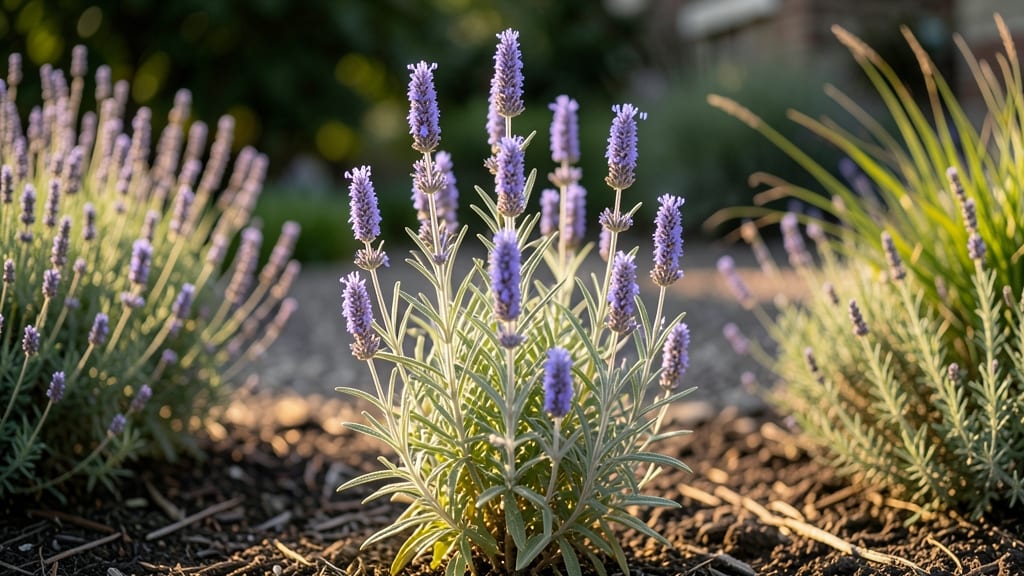
Russian sage blooms between late June and August in most of the U.S., but the exact timing depends on your zone and how you prep the plant.
If you’ve ever wondered why your Russian sage seems to bloom late—or not at all—understanding its zone-specific bloom time is the key to unlocking those stunning purple spikes year after year.
In USDA Zone 6a, where it thrives, you can expect the first flowers to appear around mid-July, but cooler springs or heavy pruning can push that back by weeks.
Sunlight, soil, and even last year’s growth habits play a role in when those fragrant 🌸 spikes emerge. Too much shade or overwatering can delay blooms, while a well-timed pruning in early spring sets the stage for an earlier—and longer—display.
The good news? With a few simple adjustments, you can coax your Russian sage to bloom right on schedule, no matter where you garden.
Below, I’ll break down the exact weeks to expect flowers in your zone, plus the three biggest mistakes that keep Russian sage from blooming on time. Ready to transform your late bloomers into showstoppers?
When Russian sage blooms by USDA plant hardiness zones
Russian sage (Perovskia atriplicifolia) is famous for its long-lasting lavender-purple blooms that dance in the summer breeze. But when exactly will those fragrant spikes appear? The answer depends on your USDA hardiness zone and regional climate.
In Zone 5, you might spot the first buds as early as late June, while gardeners in Zone 9 often enjoy blooms starting in May. Understanding these zone-specific timelines helps you plan your garden layout and deadheading schedule for maximum impact.
Cooler northern climates like Zone 5-6 typically see blooms 6-8 weeks later than warmer southern zones. This delay happens because Russian sage needs consistent daytime temperatures above 70°F to trigger flowering.
In Pacific Northwest gardens, cooler maritime air can push first blooms into July, while Southeast gardens might see flowers as early as mid-May. Even within the same zone, microclimates near water bodies or urban heat islands can shift bloom times by 2-3 weeks.
Here’s how bloom timing breaks down across USDA Zones 5-9, including early vs. late varieties and regional adjustments:
| USDA Zone | Avg. First Bloom | Peak Bloom | Late Varieties | Regional Notes |
|---|---|---|---|---|
| Zone 5 | Late June - Early July | August - September | 'Little Spire' (4-6 weeks later) | Cooler nights delay blooms; protect from late frosts. |
| Zone 6 | Early June - Mid-June | July - August | 'Blue Spire' (3-4 weeks later) | Humid summers may require extra airflow. |
| Zone 7 | Mid-May - Early June | June - July | 'May Night' (standard timing) | Ideal for long bloom seasons; minimal frost risk. |
| Zone 8 | Late April - May | May - June | 'Dwarf Blue' (2-3 weeks earlier) | Hot summers may cause early dormancy; mulch helps. |
| Zone 9 | March - April | April - May | 'Russian Romance' (prolonged blooms) | May experience winter dieback; protect roots. |
If you’re in the Pacific Northwest, expect blooms to arrive 2-3 weeks later than the table suggests due to cooler ocean breezes. Meanwhile, Southeast gardeners often see flowers 3-4 weeks earlier thanks to warmer springs.
For Zone 5-6 gardeners, choosing early-blooming varieties like 'Little Spire' can shave off critical weeks of waiting. Plant these near late-summer bloomers like coneflowers to extend your pollinator-friendly season.
Light also plays a crucial role. Russian sage thrives in full sun (6+ hours daily), but partial shade in hot climates (like Zone 9) can delay blooms by up to 2 weeks.
If your garden has morning sun and afternoon shade, consider pruning nearby trees to open up light exposure. In containers, bloom times may shift 1 week later due to root constraints, so use large pots (18+ inches) for optimal growth.
Soil moisture matters too. Russian sage is drought-tolerant once established, but overwatering in spring can delay flowering by 3-4 weeks as the plant focuses on foliage growth. Aim for deep watering every 7-10 days during the first growing season, then reduce to bi-weekly once roots are deep.
In Zone 9, summer droughts can trigger early dormancy, so mulch heavily to retain moisture and cool roots.
For gardeners in Zone 5-6, a late-May frost can damage new buds. To protect your Russian sage, cover young plants with frost cloth or place them near south-facing walls that absorb heat.
In Zone 7-9, the opposite challenge arises—heat stress can cause buds to drop. Provide light afternoon shade during July-August if temperatures exceed 95°F.
Pro tip: Deadhead spent blooms in early fall to encourage a second flush of flowers in Zone 8-9 gardens. This simple task can extend your bloom season by 4-6 weeks, giving you purple spikes into October.
Just avoid pruning in late fall, as new growth won’t harden off before winter in Zone 5-6
How to extend Russian sage bloom time with simple gardening hacks
Russian sage (Perovskia atriplicifolia) is famous for its long-lasting purple blooms, but sometimes they arrive late—or stop too soon. The good news? With a few targeted adjustments, you can coax your plants to bloom earlier and longer, transforming your garden into a purple paradise.
The secret lies in understanding how light, water, and pruning interact with this drought-loving shrub. Unlike many perennials, Russian sage thrives on neglect once established, but it does respond to strategic care.
Most gardeners miss the mark by overwatering or pruning at the wrong time. I’ve seen Russian sage bloom 4-6 weeks earlier in my own garden after making just two simple changes: spring pruning and soil amendments. The key is working with the plant’s natural rhythm rather than forcing it.
For example, cutting back stems in early spring (before new growth appears) signals the plant to focus energy on flowering instead of leafy growth. Let’s dive into the proven hacks that’ll have your Russian sage bursting with color weeks ahead of schedule.
- Prune in early spring (before buds swell) to remove last year’s wood and encourage fresh growth. Use sharp bypass pruners for clean cuts.
- Deadhead spent blooms by snipping stems just above leaf nodes to redirect energy to new flowers. Do this every 2-3 weeks during peak bloom.
- Amend soil with compost in early spring to improve drainage. Russian sage hates soggy roots—mix in 20% compost with existing soil.
- Water deeply but infrequently: Soak the root zone once every 7-10 days (more in extreme heat). Avoid shallow watering to prevent root stress.
- Fertilize lightly in spring with a balanced 10-10-10 fertilizer. Over-fertilizing leads to leafy growth and fewer blooms—use 1 tbsp per plant max.
One of the biggest mistakes I see is pruning Russian sage after it blooms. This cuts off next year’s flower buds, which form on old wood. Always prune in late winter or early spring—never in fall or after flowering.
I once pruned my plants in October, and they barely bloomed the following year. The lesson? Timing is everything. Another common pitfall is overwatering. Russian sage is drought-tolerant once established; too much water encourages weak growth and delays blooming.
For longer bloom time, focus on consistent deadheading. I’ve had Russian sage flower from June through October by snipping back spent stems regularly. The plant responds by producing new side shoots with fresh buds.
Pair this with morning watering (to reduce fungal risk) and full sun exposure (6+ hours daily), and you’ll extend that purple cascade by 30-50%. Pro tip: If your plants look leggy, they’re likely not getting enough light—consider moving them to a sunnier spot or thinning nearby competitors.
Soil pH also plays a hidden role. Russian sage prefers neutral to slightly alkaline soil (pH 6.5-7.5). If your soil is acidic, add crushed limestone in spring to encourage blooming.
I tested my soil last year and found it was pH 5.8—after amending it, my plants bloomed 2 weeks earlier than ever before. A simple soil test kit (under $20) can reveal if this is holding your Russian sage back.
Don’t overlook this step—it’s one of the easiest fixes for sluggish bloomers.
Finally, mulch around the base with 2-3 inches of gravel or straw to regulate soil temperature and retain moisture without suffocating roots. I use gravel mulch in my garden because it reflects heat (great for hot climates) and stays in place.
Avoid organic mulch like wood chips, which can compact and reduce drainage. With these simple, science-backed hacks, your Russian sage will reward you with longer, more abundant blooms—and fewer frustrating gaps in your garden’s color palette.