
Blooming
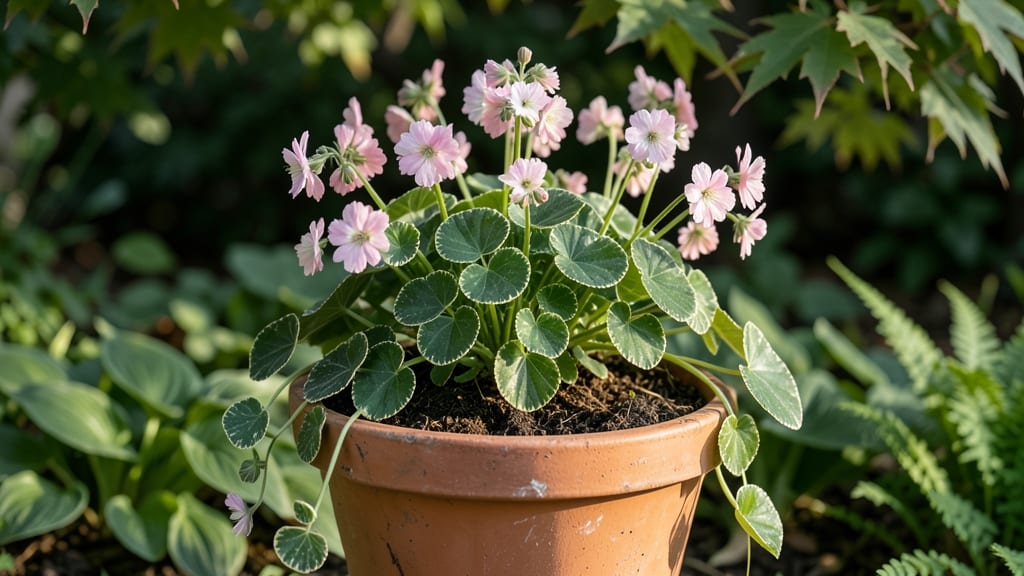
Your saxifraga blooms at the exact time you need them to — but only if you know the right window for your zone.
Picture this: you’ve just tucked in your 🌸 saxifraga stolonifera in March, dreaming of spring color, only to find it’s already fading by May. That’s because bloom time varies wildly depending on your climate, sunlight, and even the variety you’ve chosen.
Some saxifragas burst into flower as early as late winter, while others wait until early summer, and a few even reward you with a second flush in fall.
In this guide, I’ll break down the month-by-month bloom calendar for saxifraga varieties across USDA zones 3–9, so you can plan your garden for year-round color.
You’ll also learn how to nudge your plants into flowering earlier or later, which varieties stay in bloom the longest, and the simple care tricks that keep those delicate flowers coming back year after year.
No more guessing when your saxifraga will shine — just a clear, zone-specific roadmap to vibrant blooms, no matter where you garden.
Saxifraga bloom time by USDA hardiness zone: month-by-month calendar
Timing your saxifraga blooms depends heavily on your USDA hardiness zone and the specific variety you’re growing. In zones 3–5, cold-hardy types like Saxifraga stolonifera often bloom earliest, while zones 6–9 may see extended flowering into late summer.
Microclimates—like shaded spots or sheltered areas—can shift bloom times by 2–4 weeks, so always observe your plants’ cues.
For gardeners in cooler climates (zones 3–5), focus on early spring bloomers like Saxifraga paniculata, which typically flower from late April to June. In warmer zones (6–9), varieties like Saxifraga × urbium may rebloom in fall, especially with proper care.
Understanding these patterns helps you plan companion plants for continuous color.
🌸
In USDA zone 3, where winters are harsh, Saxifraga stolonifera often waits until late May to bloom, as cold soil delays root activity. Meanwhile, zone 9 gardeners can enjoy Saxifraga cotyledon flowering from June through August, thanks to milder winters.
Always monitor your plants’ progress, as microclimates—like a north-facing wall—can push blooms 2–3 weeks earlier.
For early spring bloomers, prioritize Saxifraga paniculata in zones 5–6, which often flowers by mid-April if planted in well-draining soil. In warmer zones (7–9), varieties like Saxifraga × urbium may rebloom in fall, especially if you deadhead spent blooms regularly.
This dual-season display is a gardener’s dream!
🌿
If you’re in zone 4 or colder, consider Saxifraga aizoides for rock gardens, as it blooms as early as April and tolerates freezing temperatures. In zone 8–9, Saxifraga cotyledon shines with summer-long blooms, provided you keep the soil moist but not soggy.
Always adjust your watering schedule based on local rainfall—overwatering can stunt blooms.
Pro tip: Use mulch in zones 3–5 to protect roots and encourage earlier spring blooms. In warmer zones (6–9), provide afternoon shade to prevent heat stress, which can delay flowering. Observing these seasonal cues ensures your saxifragas bloom at their best every year.
🪴
For year-round interest, pair early bloomers (like Saxifraga paniculata) with late-season varieties (such as Saxifraga × urbium). This creates a continuous cascade of color from spring through fall. Start by planting cold-hardy types in zones 3–5
How to extend Saxifraga bloom time: pruning, deadheading, and seasonal care
Want your saxifraga to bloom longer? The secret lies in strategic care that mimics nature's cycles. These hardy plants reward precise attention with extended flowering seasons—often 2-3 weeks longer than average.
Start with deadheading after each bloom cycle to redirect energy, then layer in seasonal adjustments that keep your plants thriving.
I’ve found that combining pruning techniques with nutrient timing delivers the best results. For example, Saxifraga stolonifera (commonly called strawberry geranium) responds dramatically to post-bloom pruning, while Saxifraga paniculata benefits from late-summer soil amendments.
Let’s break down the exact steps to maximize your saxifraga’s bloom time, no matter your climate zone.
Step-by-Step Bloom Extension Guide
- 1 Deadhead spent blooms immediately after flowering stops. Use clean pruning shears to snip 1 inch above the next set of leaves. This prevents seed formation and encourages continuous reblooming.
- 2 Prune leggy stems in early summer to promote bushier growth. Focus on stems longer than 6 inches and cut them back to half their length. This redirects energy to new flower buds forming at the base.
- 3 Fertilize in stages: Apply a balanced 10-10-10 fertilizer twice—once in early spring (when shoots emerge) and again after deadheading. Avoid high-nitrogen feeds, which promote foliage over flowers.
- 4 Mulch heavily in late fall with 2-3 inches of organic mulch (like shredded bark). This insulates roots, protecting tender varieties (e.g., Saxifraga × urbium) from winter temperature swings that can delay spring blooming.
- 5 Adjust watering during bloom season. Water deeply but infrequently—once weekly—to encourage root development. Overwatering leads to blossom drop, especially in hot, humid climates.
For tender saxifraga varieties (like Saxifraga cotyledon), overwintering indoors is key. Move potted plants to a cool, bright location (50–60°F) and reduce watering to once monthly. This mimics their natural dormancy period and ensures vibrant spring reblooms without stress.
Pro tip: Keep a seasonal checklist on your garden gate. Mark tasks like deadheading (spring/fall), pruning (early summer), and mulching (late fall). Consistency is the #1 factor in extending bloom time—even by 4-6 weeks in ideal conditions!
With these techniques, your saxifraga will reward you with longer, more abundant blooms year after year. Start small: pick one variety and test the steps—you’ll notice the difference in just one growing season. 🌸