
Blooming
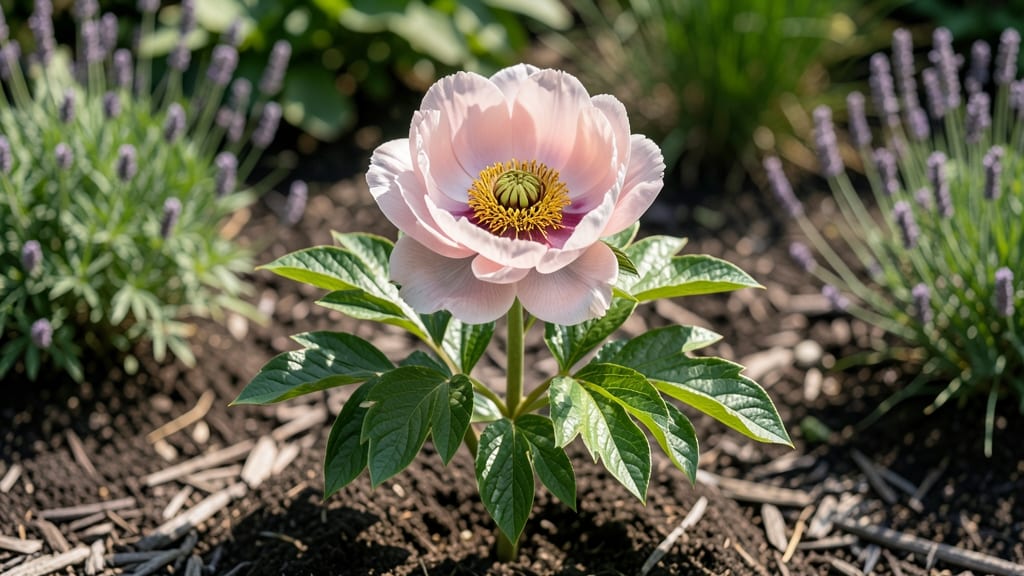
Growing single bloom peonies means one spectacular showstopper instead of a dozen modest flowers—each bloom could be 6 inches wide, fragrant enough to perfume your garden for weeks. 🌸 I’ve learned the hard way that these divas demand perfect timing, soil, and pruning, but when you nail it, they reward you with blooms that last longer than any other peony variety.
The secret starts with full sun and rich, well-drained soil—think compost-amended loam, not heavy clay. Space plants 3-4 feet apart to give roots room to establish, and plant eyes 2 inches deep (never deeper) to prevent rot.
Unlike multi-bloom peonies, single-bloomers focus all their energy on one grand display, so they need extra nutrients in early spring.
Pruning is where most gardeners stumble: cut back stems to 2 inches after blooms fade, but never more—you’ll sacrifice next year’s flower. Mulch heavily in winter to protect roots from freeze-thaw cycles, and watch for bud blast (a fungal issue) by spacing plants for airflow.
With the right care, these peonies will rebloom for you year after year, their perfume lingering long after the petals drop.
They thrive in zones 3-8, but southern gardeners need afternoon shade to prevent scorched blooms. The payoff? A garden centerpiece that turns heads and fills the air with old-fashioned garden romance. Let’s get those roots settled right this spring.
📚 In This Guide
- What you need
- Instructions
- Tips and common mistakes
- Wrapping up and next steps
What you need
- ● Peony roots or bare-root peony plants: Choose Paeonia lactiflora (herbaceous) or Paeonia suffruticosa (tree) varieties. Buy from reputable nurseries (e.g., Peony Society or local growers).
- ● Well-draining soil: Mix 50% garden soil, 30% compost, and 20% coarse sand or perlite (for aeration). Aim for a pH of 6.5–7.5.
- ● Organic matter: 2–3 lbs of aged manure or compost per planting hole (rich in phosphorus for root growth).
- ● Mulch: 2–3 inches of wood chips or straw to retain moisture and regulate temperature.
- ● Garden trowel or spade (for digging holes 12–18 inches deep).
- ● Garden gloves (to protect hands from thorns and soil).
- ● Watering can or hose with a gentle spray nozzle (peonies hate soggy roots!).
- ● Pruning shears (sterilized with rubbing alcohol for clean cuts).
- ○ Stakes or cages (optional, for tall varieties like Paeonia suffruticosa).
- ● Slow-release fertilizer (e.g., 10-10-10 NPK, applied in early spring).
- ● Peony food (high-phosphorus formula to boost blooms).
- ● Drip irrigation system (for consistent moisture in dry climates).
- ● Frost cloth (to protect young plants in Zone 3–5 during late frosts).
Step-by-step instructions for cultivating reblooming single bloom peonies
Here's how to coax those lush, fragrant blooms back year after year—no black magic, just proven timing and care.
🌱 Step 1: Select and Prepare the Perfect Planting Site
Peonies thrive in full sun with at least 6 hours of direct light daily, but they tolerate light shade in hot climates. Choose a spot with well-draining soil—peaty or clay-heavy soils need amending with compost or sand to prevent root rot. I dig a hole twice as wide as the root ball but only 1 inch deeper than the plant's crown sits in its container.
Peonies hate disturbed roots, so I gently loosen the soil around the edges of the hole without digging too deeply. The crown (where roots meet stems) should sit just 1-2 inches below soil level—burying it deeper causes weak stems and fewer blooms. If your soil is acidic, add a handful of lime to the hole to raise the pH to 6.5-7.0.
🪴 Step 2: Plant at the Right Depth and Water Generously
Place the peony in the hole so the crown sits 1-2 inches below soil level—this ensures strong stems and abundant blooms. Backfill with native soil mixed with compost, tamping gently to remove air pockets. Avoid packing the soil too firmly, as peony roots need room to spread.
Water deeply right after planting to settle the soil and eliminate air gaps. You'll know it's right when the surface looks slightly damp but not soggy. Mulch with 2-3 inches of organic mulch (like shredded bark) to retain moisture and suppress weeds, but keep it 4 inches away from the crown to prevent rot.
☀️ Step 3: Provide Consistent Care for Reblooming Success
Peonies need regular watering during their first growing season—about 1 inch of water weekly—but established plants are drought-tolerant once roots spread. I water at the base, avoiding the foliage to prevent fungal diseases like botrytis. Fertilize lightly in early spring with a balanced 10-10-10 fertilizer at half strength, focusing on root development over blooms.
After the first flush of blooms fades, I deadhead spent flowers by cutting the stem back to the first set of leaves. This redirects energy to next year’s buds. In late summer, cut back the foliage by one-third to encourage root strengthening before dormancy. Peonies need 6-8 weeks of winter chill (below 40°F) to rebloom reliably.
✂️ Step 4: Prune and Divide for Long-Term Health
Every 3-5 years, peonies need dividing to prevent overcrowding and maintain vigor. I dig up the plant in early fall or late winter, separating the root clumps with a clean knife. Each division should have 3-5 eyes (buds) and a good root system. Replant immediately, ensuring the crown stays 1-2 inches below soil level.
Prune back dead or damaged stems in early spring, but leave healthy foliage until it yellows naturally. This ensures the plant photosynthesizes enough to fuel next year’s blooms. Avoid heavy pruning—peonies bloom on old wood, so aggressive cuts reduce flower production. Watch for signs of stress like yellowing leaves or blackened buds, which may indicate overwatering or fungal issues.
⏰ Step 5: Plan for Year-Round Fragrance and Longevity
To extend the blooming season, choose reblooming varieties like 'Sarah Bernhardt' or 'Bowl of Beauty'—they produce a second flush in late summer. Mulch heavily in winter to protect roots from freeze-thaw cycles, but avoid piling mulch directly against the crown. In early spring, remove old mulch and add fresh compost to replenish nutrients.
Peonies reward patience—it takes 2-3 years for established plants to reach peak bloom production. I mark their location with garden stakes to avoid disturbing roots during future digging. With proper care, a single peony can live and bloom for 50+ years, making it one of the most rewarding perennials for fragrance and beauty.
Tips & tricks for perfect single bloom peony cultivation
These insider secrets will help you transform your garden into a fragrant paradise with repeat blooming peonies that last decades.
Site Selection Mastery: The 6 hours of daily sunlight requirement is non-negotiable for peak performance, but here's what I've learned: In hot climates, morning sun with afternoon shade actually prolongs bloom life. Test your spot by observing how quickly soil dries—if it stays damp for more than 24 hours, you need that compost or sand amendment to prevent root suffocation.
Planting Precision: That 1-2 inch crown depth is critical, but don't guess—measure from the soil line where the plant sat in its container. I use a small ruler to verify depth after backfilling. For clay soils, I mix in 30% sand by volume to create that perfect drainage while maintaining moisture retention. The key is creating a loose, airy medium that mimics peonies' native woodland conditions.
Reblooming Strategy: The 6-8 weeks of winter chill below 40°F is what triggers those second flushes. If you live in a mild climate, consider planting in a slightly elevated bed where cold air collects. I've seen dramatic improvements in reblooming when moving plants just 2 feet higher in the landscape. For container growers, use a thermal blanket to protect roots during winter nights.
Long-Term Vigilance: Those 3-5 year division intervals might seem long, but here's the secret: I actually divide every 4 years when I notice stems getting spindly or blooms decreasing. The goal is to maintain divisions with 3-5 eyes—this ensures each new plant has enough energy to establish strong roots and produce abundant blooms within 2-3 years of replanting.
Pro Tips for Single Bloom Peony
- These insider secrets will help you transform your garden into a fragrant paradise with repeat blooming peonies that last decades.
- Site Selection Mastery: The 6 hours of daily sunlight requirement is non-negotiable for peak performance, but here's what I've learned: In hot climates, morning sun with afternoon shade actually prolongs bloom life.
- Planting Precision: That 1-2 inch crown depth is critical, but don't guess—measure from the soil line where the plant sat in its container.
Frequently asked questions
Got questions about growing single bloom peonies? You’re not alone! Here are answers to the most common queries to help you cultivate stunning, fragrant blooms with confidence.
How do I encourage my single bloom peony to rebloom?
Reblooming Paeonia lactiflora varieties (including single blooms) thrives with proper care. Prune spent blooms lightly after they fade, fertilize with a balanced bloom booster in early spring and mid-summer, and ensure full sun (6+ hours daily). Avoid heavy pruning—just trim back to a healthy bud to promote new growth. Pro tip: Mulch well in winter to protect roots!
When is the best time to plant single bloom peonies?
Plant in early fall (4–6 weeks before first frost) or early spring (as soon as soil is workable). Fall planting gives roots time to establish before winter, while spring planting avoids frost heave. Avoid transplanting mature peonies—they hate being disturbed! If you must move them, do it in early fall and water deeply afterward.
Can I grow single bloom peonies in containers?
Yes, but choose a large container (at least 18" deep) with drainage holes and high-quality potting mix. Use a mix of garden soil, compost, and perlite for aeration. Containers dry out faster, so water consistently and fertilize monthly during growing season. Note: Container-grown peonies may bloom less prolifically than in-ground plants but still reward you with fragrance!
What pests or diseases should I watch for with single bloom peonies?
Peonies are generally low-maintenance, but watch for peony wilt (a fungal disease causing brown stems) and leaf blight (yellowing leaves). Remove infected stems immediately. Pest-wise, peony sawfly larvae can chew leaves—handpick them or use neem oil. Prevention tip: Space plants for airflow and avoid overhead watering to keep foliage dry.
Why aren’t my single bloom peonies flowering?
No blooms often mean the plant is too young (wait 2–3 years), lacks sunlight, or isn’t getting enough nutrients. Check these fixes:
- Sunlight: Ensure 6+ hours of direct sun daily.
- Fertilizer: Use a phosphorus-rich fertilizer in early spring.
- Pruning: Avoid cutting back stems too aggressively.
- Depth: Peony eyes (buds) should be just below soil level (not buried too deep).
Wrapping up and next steps
Growing single bloom peonies is a rewarding journey that brings year-round fragrance and stunning beauty to your garden—and you’re now equipped with the secrets to success! 🌸 From selecting the right variety to mastering pruning and soil care, every step you’ve learned ensures lush, repeat blooms season after season.
Whether you’re a beginner or a seasoned gardener, your dedication will pay off with breathtaking, fragrant peonies that turn heads and fill the air with sweetness.
Ready to plant your first peony or refine your existing garden? Grab your gardening tools, choose your favorite variety, and get started—your future blooms are waiting! 🌱💐