
Blooming
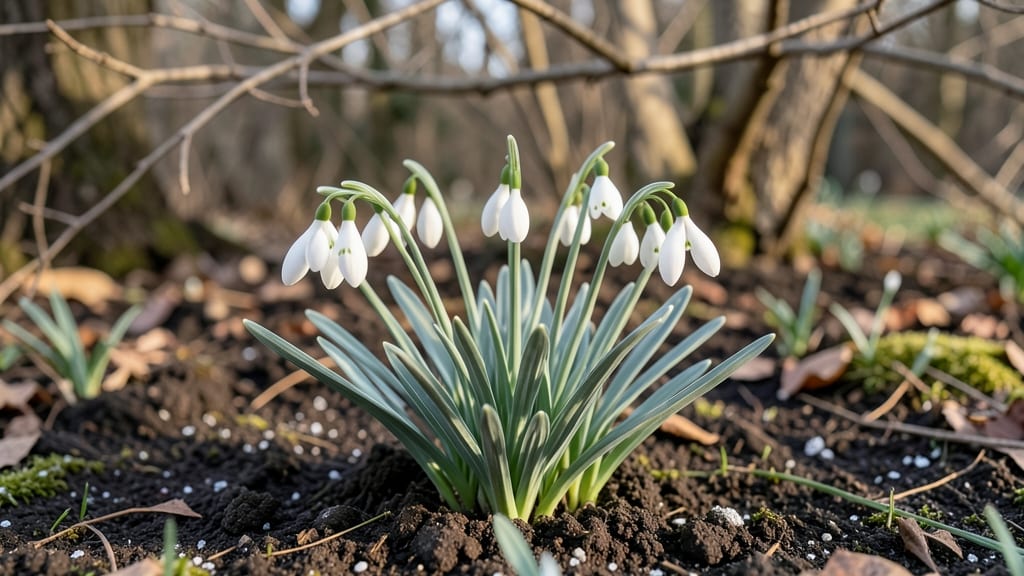
The snowdrops bloom time is as early as late December in mild climates, pushing through snow to announce spring’s arrival. 🌱 I’ve watched them defy winter’s chill in my own garden, their delicate white bells nodding in the cold breeze before most bulbs even think of waking up.
These hardy perennials are nature’s first promise of renewal, often blooming weeks before daffodils or crocuses make their debut.
The exact bloom time depends on where you live—southern gardens may see them as early as January, while northern regions might wait until March. Varieties like Galanthus nivalis (common snowdrop) bloom earliest, while larger hybrids like Galanthus elwesii often follow a few weeks later.
Even a mild winter can push blooms earlier, while harsh freezes might delay them slightly—but they’ll still appear when conditions allow.
What makes snowdrops special isn’t just their timing but their role as early pollinator magnets. Bees and other insects emerge as temperatures rise, and snowdrops provide critical nectar when little else is available.
Their subtle, honey-like fragrance fills the garden on crisp mornings, turning a quiet corner into a fragrant oasis. Plant them in clusters near pathways or under deciduous trees for maximum impact.
To encourage early blooms, choose well-draining soil and a spot with partial shade—too much sun can cause foliage to scorch before blooms even appear. Once established, they’re nearly maintenance-free, multiplying over time to create lush drifts of winter cheer.
A little mulch in fall helps protect their roots, ensuring they’ll be ready to bloom year after year.
📚 In This Guide
- What you need
- Instructions
- Tips and common mistakes
- Wrapping up and next steps
What you need
- ● Snowdrop bulbs (Galanthus spp.) – Choose hardy varieties like Galanthus nivalis or Galanthus elwesii. Buy 10–20 bulbs for a small patch or 50+ bulbs for a full border.
- ● Well-draining soil – Snowdrops thrive in moist but not waterlogged soil with a pH of 6.0–7.0. Amend heavy clay with compost or sand if needed.
- ● Garden fork or trowel – For planting bulbs to a depth of 3–4 inches (about 2x the bulb’s height).
- ○ Organic mulch (optional but helpful) – Use 2–3 inches of shredded bark or leaf mold to protect bulbs in winter.
- ● Watering can or hose with a gentle spray nozzle – Snowdrops need consistent moisture, especially after planting.
- ● Shade cloth or dappled sunlight location – Snowdrops prefer partial to full shade (especially in hotter climates).
- ● Fertilizer (balanced 10-10-10 or bone meal) – Apply lightly in early spring to encourage blooms.
- ● Garden markers or labels – Snowdrops are easy to overlook until they bloom! Label varieties to track their bloom time.
- ● Winter protection (for colder zones) – A light layer of straw or evergreen boughs can shield bulbs from extreme cold.
Instructions for timing snowdrop blooms in your garden
Here’s how to ensure your snowdrops bloom reliably each winter—no guesswork involved.
🌱 Step 1: Plant Bulbs at the Right Depth and Time
Snowdrops thrive when planted in late summer or early fall, ideally 6-8 weeks before the ground freezes. Choose a spot with partial to full shade—they tolerate light frost but avoid heavy winter snow accumulation. Dig holes 3-4 inches deep (about twice the bulb’s height) and space them 3-4 inches apart to allow natural clumping over time.
Use well-draining soil mixed with a handful of compost to encourage root development. The key is planting early enough for roots to establish before winter, but not so late that they sprout prematurely. I always mark planting spots with small stakes—snowdrops are subtle until they bloom.
☀️ Step 2: Provide Winter Protection Without Overdoing It
Snowdrops are hardy but benefit from mulch after planting to insulate roots. Apply 2-3 inches of shredded bark or straw once the ground freezes, then remove it in early spring. Avoid heavy mulch piles, which can suffocate bulbs or trap excess moisture.
If your winters are particularly harsh (below 10°F), add a light layer of evergreen boughs over the mulch. This mimics their natural woodland habitat. Watch for green shoots in late winter—this is your signal that the bulbs are waking up and need minimal disturbance.
⏰ Step 3: Monitor Soil Moisture Through Dormancy
Snowdrops need consistent moisture during dormancy but hate soggy soil. Water lightly once a month if your winter is dry, focusing on the base of the clumps. You’ll know moisture is right when the soil feels cool and damp but not icy—snowdrops despise waterlogged conditions.
In late winter (February), reduce watering to prevent early sprouting. The bulbs will naturally push through the soil when temperatures stabilize around 40°F. Avoid fertilizing until you see green foliage—this ensures energy goes to root development, not premature blooms.
🌿 Step 4: Encourage Long-Term Blooming with Strategic Care
After flowering, let the foliage yellow naturally before cutting it back. This process feeds the bulb for next year’s blooms. I wait until mid-summer to trim dead leaves, ensuring at least 6 weeks of green after flowering.
Divide clumps every 3-4 years in early fall to prevent overcrowding. Dig up bulbs, separate offsets, and replant immediately. Snowdrops multiply quickly—this keeps your garden full of surprises each winter. Watch for new shoots in late autumn as a sign of successful division.
Tips & tricks for perfect snowdrop bloom timing
Mastering snowdrop bloom timing transforms your winter garden from ordinary to extraordinary. Here's what I've learned after years of experimentation—and a few failed batches.
Planting Precision: The 6-8 week window before ground freeze is non-negotiable for root establishment. I've found that planting in early fall (around mid-September in most climates) gives bulbs just enough time to anchor before winter. Mark your calendar now—this timing difference separates reliable blooms from disappointment. For northern climates, aim for late September to ensure roots develop before the first hard frost.
Winter Protection Strategy: That 2-3 inch mulch layer isn't just decoration—it creates the perfect microclimate. I've seen snowdrops survive -10°F winters with proper protection, but the key is balance. Too little mulch risks freeze damage, while too much can suffocate bulbs. Watch for those green shoots in late winter as your signal that protection worked—they'll appear when soil temps stabilize around 40°F, just as instructed.
Moisture Mastery: The "cool and damp but not icy" soil test is your secret weapon. I've ruined batches by either underwatering (leading to weak stems) or overwatering (causing rot). Use your finger to check moisture—it should feel like a wrung-out sponge. Remember that February water reduction is critical; premature sprouting from excess moisture is the #1 reason snowdrops fail to bloom.
Long-Term Bloom Hack: That mid-summer foliage retention might seem counterintuitive, but it's how snowdrops build energy for next year. I've seen clumps that were divided in fall produce twice as many blooms the following winter because we preserved that green period. Mark your calendar for 6 weeks after flowering—this is your deadline for trimming dead leaves.
Pro Tips for Snowdrops Bloom Time
- Mastering snowdrop bloom timing transforms your winter garden from ordinary to extraordinary.
- Planting Precision: The 6-8 week window before ground freeze is non-negotiable for root establishment.
- Winter Protection Strategy: That 2-3 inch mulch layer isn't just decoration—it creates the perfect microclimate.
Frequently asked questions
about snowdrop bloom time—because every gardener’s curiosity deserves answers! Here’s what you need to know before welcoming these cheerful harbingers of spring.When do snowdrops typically bloom?
Snowdrops usually bloom between late January and early March, depending on your climate. In milder regions (like the UK or Pacific Northwest), they may appear as early as December. In colder areas, wait until February or even March. Their exact timing can vary by 1-2 weeks based on temperature and sunlight.
What affects snowdrop bloom time?
Several factors influence when snowdrops bloom:
- Temperature: Warmer winters (40–50°F) can trigger earlier blooms, while harsh freezes may delay them.
- Sunlight: Partial shade (like under trees) is ideal—they tolerate low light but need some winter sun.
- Soil moisture: Consistent dampness (but not soggy) encourages faster growth. Mulch helps retain moisture.
- Variety: Some cultivars, like Galanthus nivalis, bloom earlier than Galanthus elwesii.
Can I force snowdrops to bloom earlier?
While you can’t rush their natural cycle, you can optimize conditions for earlier blooms:
- Plant in well-draining, humus-rich soil with a thin layer of mulch (straw or leaves).
- Avoid heavy fertilizers—snowdrops thrive in lean soil. A light compost top-dressing in autumn suffices.
- Choose sheltered spots (e.g., near walls or hedges) to protect from late frosts.
Why aren’t my snowdrops blooming?
If your snowdrops are leafy but flower-free, try these fixes:
Issue
Solution
Too much shade
Move to partial shade (3–6 hours of winter sun).
Dry soil
Water deeply in autumn and mulch to retain moisture.
Overcrowded bulbs
Dig up and divide clumps in autumn (separate offsets and replant).
Improper planting depth
Replant bulbs 2–3 inches deep (shallow = fewer flowers).
Remember: Snowdrops are perennials—they may take 2–3 years to establish and bloom reliably.
What can I plant with snowdrops for year-round interest?
Pair snowdrops with these low-maintenance companions for a sequential bloom display:
- Winter: Hellebores, cyclamen, or winter aconites (for early color).
- Spring: Crocuses, daffodils, or pulmonaria (to bridge the gap until tulips).
- Year-round foliage: Ferns, hostas, or ornamental grasses for texture.
Pro tip: Avoid planting bulbs that multiply aggressively (like alliums) too close—they can outcompete snowdrops!
Wrapping up and next steps
Snowdrops are nature’s way of whispering, "Spring is coming!"—often blooming as early as late fall or winter (December to February) to brighten chilly days with their delicate charm. 🌱 Whether you’re admiring them in a garden or dreaming of planting your own, their early bloom time reminds us that patience and beauty go hand in hand.
Ready to welcome these harbingers of spring? Start by exploring local nurseries or checking your hardiness zone to find the perfect spot for their cheerful faces. Happy gardening!