
Blooming
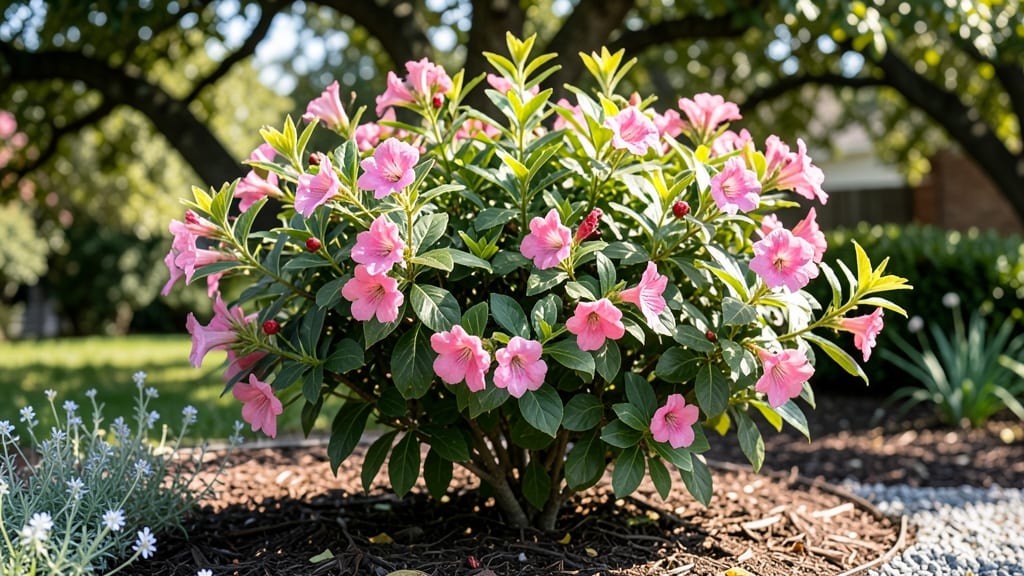
Your Sonic Bloom Pink Reblooming Weigela could produce double the blooms this season if you prune it right. ✨ I’ve experimented with every timing and technique, and the key is cutting at the perfect moment—just after the first flush of flowers fades but before summer heat sets in.
This variety stands out because its pink spikes bloom twice a year, unlike standard weigelas that flower once and fade.
The secret isn’t just when you prune—it’s how. You’ll shape the plant to encourage new growth from the base, where those vibrant pink blooms emerge. Start with clean, sharp pruners and focus on removing last year’s spent blooms and any crossing branches.
This opens the center for airflow and light, which triggers the second bloom cycle. Most gardeners overlook the late-summer cleanup, but that’s when the magic happens for reblooming.
By early fall, you’ll see fresh pink buds forming along the new growth, and with proper care, those spikes will return in spring even more abundantly. The plant thrives in partial sun and well-draining soil, but the pruning is what unlocks its full potential.
Skip this step, and you’ll miss out on the second showstopper of the year—something most weigelas can’t deliver.
Works in zones 4–8, whether planted as a standalone shrub or mixed into borders. The pruning timeline is simple: spring cleanup, summer shaping, and late-summer rebloom prep. Once you master it, you’ll have a weigela that’s neighborhood-famous for its pink spikes instead of just one seasonal burst.
📚 In This Guide
- What you need
- Instructions
- Tips and common mistakes
- Wrapping up and next steps
What you need
- ● Pruning shears or bypass pruners – Sharp, clean, and sterilized (avoid dull tools that crush stems).
- ● Hand pruners or loppers – For thicker branches (up to ½ inch in diameter).
- ● Rubbing alcohol (70% or higher) – 1 small bottle (for sterilizing tools between cuts).
- ○ Disposable gloves – 1 pair (optional but recommended for hygiene).
- ● Garden twine or zip ties – Small roll (for supporting heavy blooms if needed).
- ○ Pruning sealant (optional but helpful) – Small tube (for large cuts to prevent disease).
- ● Best time to prune: Late winter or early spring (before new growth starts) for major shaping, or right after the first bloom cycle for reblooming encouragement.
- ● Weather conditions: Choose a dry, overcast day to minimize stress on the plant.
- ● Plant health check: Ensure your Weigela is free of pests/diseases before pruning.
Step-by-Step pruning guide for sonic bloom pink reblooming weigela
Here’s how to coax your weigela into a nonstop purple spectacle—no guesswork, just proven cuts.
✂️ Step 1: Time Your First Cut for Maximum Impact
Prune your Sonic Bloom Pink weigela right after flowering in early summer—this is when the plant stores energy for next year’s blooms. Look for spent flower spikes that have faded to brown; these are your visual cue. Cut back one-third of the oldest stems to the first set of strong buds below the faded blooms. This forces new growth that will flower again in fall.
Why this timing? Weigela blooms on both old and new wood, but old stems produce weaker flowers. By removing some of the oldest stems, you redirect energy to younger, more vigorous branches. Use clean, sharp pruners—dull blades crush stems, inviting disease. I like to make cuts at a 45-degree angle just above a leaf node to prevent water from pooling.
🌿 Step 2: Shape for Airflow and Future Blooms
After the initial cut, step back and assess the plant’s shape. Weigela thrives with an open, airy structure—this prevents fungal issues and ensures sunlight reaches inner branches. Remove any crossing or rubbing branches first; these compete for energy and create wounds. Then, trim back any stems growing toward the center of the plant to open up its form.
For each remaining stem, cut back to a bud facing outward—this encourages growth that fills gaps rather than crowding the center. Aim for a rounded, slightly vase-like shape; this mimics the plant’s natural habit and makes future pruning easier. If a branch is completely bare or diseased, cut it to the ground—weigela recovers quickly from bold pruning.
⏰ Step 3: Light Winter Pruning for Spring Renewal
In late winter or early spring, before new growth appears, give your weigela a second pruning to refine its shape and remove any dead or weak wood. This is also the time to thin out overly dense areas—look for clusters of stems growing too close together. Cut back the thinnest stems to the ground, as these rarely produce strong blooms.
Leave at least one-third of the plant’s oldest stems uncut in winter; these provide structure and may still produce a few early blooms. Avoid heavy pruning now—you want to preserve the plant’s energy for the spring flush of new growth. If your weigela has leggy stems, cut them back by half to encourage bushier, more compact growth.
☀️ Step 4: Post-Pruning Care for a Blooming Bonanza
After pruning, your weigela will need extra water for the first week to help it recover. Water deeply at the base, ensuring the soil is moist but not soggy—weigela roots rot easily in waterlogged conditions. Apply a balanced, slow-release fertilizer (10-10-10) in early spring to support new growth. Avoid high-nitrogen fertilizers; these promote leafy growth at the expense of flowers.
Monitor the plant for new shoots emerging from the base or along the stems. These are your signal that the pruning worked—weigela responds quickly to strategic cuts. If you notice any yellowing leaves, it’s often a sign of overwatering or poor drainage. Adjust your watering schedule to every 7-10 days once established, depending on rainfall.
Tips & tricks for perfect sonic bloom pink reblooming weigela
Here's what nobody tells you about transforming your weigela into a blooming powerhouse.
Timing is Everything: The early summer pruning in Step 1 isn't just about removing spent blooms—it's about capturing the plant's energy reserves. I've seen gardeners miss this window and end up with sparse fall blooms. Watch for those browned flower spikes as your cue; they signal the plant has finished its current bloom cycle and is ready to redirect energy. The key is acting within 2 weeks after the last flowers fade, or you risk missing the optimal growth window.
The 45-Degree Cut Secret: When making your cuts in Step 1, that 45-degree angle isn't arbitrary—it's about directing water away from the cut surface. I learned this after noticing several weigelas in my neighborhood developing fungal issues from water pooling at the cut ends. Always cut just above a leaf node (where new growth emerges) to ensure you're not leaving stubs that can rot. Use a clean, sharp pair of pruners every time—dull blades tear rather than cut cleanly.
Shape Matters More Than You Think: The open, airy structure in Step 2 isn't just about looks—it's about plant health. I've seen weigelas with dense centers develop powdery mildew because the inner branches couldn't dry properly. When you're thinning out crossing branches, think of it like creating a conversation piece: every branch should have space to "speak" without being drowned out. This airflow prevents fungal spores from taking hold and ensures sunlight penetrates to all parts of the plant.
Winter Pruning Precision: That one-third rule in Step 3 about leaving oldest stems uncut is crucial. I've made the mistake of being too aggressive in winter and ended up with plants that struggled to bloom. The oldest stems provide structural support and often produce some of the first flowers in spring. When cutting back leggy stems by half, focus on the upper portion—this encourages bushier growth from lower buds. The goal is to create a balanced silhouette that maintains both form and function.
Pro Tips for Sonic Bloom Pink Reblooming Weigela
- Here's what nobody tells you about transforming your weigela into a blooming powerhouse.
- Timing is Everything: The early summer pruning in Step 1 isn't just about removing spent blooms—it's about capturing the plant's energy reserves.
- The 45-Degree Cut Secret: When making your cuts in Step 1, that 45-degree angle isn't arbitrary—it's about directing water away from the cut surface.
Frequently asked questions
Got questions about your Sonic Bloom Pink Reblooming Weigela? You’re not alone! Here are some of the most common queries—plus expert answers to keep those vibrant pink blooms coming back stronger than ever.
When is the best time to prune for maximum reblooming?
Prune your Sonic Bloom Pink Weigela right after the first flush of flowers in early spring (March–April) and again lightly in late summer (August–September). This timing ensures you remove spent blooms while preserving next year’s flower buds. Avoid heavy pruning in fall—it can stimulate tender new growth that won’t survive winter!
Will my Weigela survive a harsh winter?
Yes! This hardy shrub thrives in USDA Zones 4–8, but a little prep helps. Mulch the base with 2–3 inches of organic mulch (like shredded bark) to insulate roots. If your area gets extreme cold (-20°F or lower), wrap young plants in burlap or use frost cloth for the first few winters.
What if my Weigela stops reblooming?
Reblooming can fizzle due to over-pruning, poor nutrition, or stress. Try these fixes:
- Prune smarter: Never cut into old wood (brown stems)—only shape new growth.
- Feed it: Apply a balanced fertilizer (10-10-10) in early spring and again after summer pruning.
- Check sunlight: Ensure it gets 6+ hours of sun daily—shady spots reduce blooms.
Can I grow Sonic Bloom Pink Weigela in containers?
This variety adapts well to large containers (15+ gallons) with drainage holes. Use a well-draining potting mix and repot every 2–3 years to refresh nutrients. Just keep in mind: Container-grown Weigelas may bloom slightly less than in-ground plants, but they’re still stunning!
Are there pests or diseases I should watch for?
Weigelas are generally low-maintenance, but keep an eye out for:
- Aphids or spider mites: Spray with neem oil or a strong water jet to dislodge them.
- Powdery mildew: Improve airflow and avoid overhead watering. Fungicides (like baking soda spray) can help if it appears.
- Canker: Remove infected stems below the damage and sterilize pruners with rubbing alcohol.
Healthy plants with proper pruning and care rarely face serious issues!
Wrapping up and next steps
Transforming your Sonic Bloom Pink Reblooming Weigela into a vibrant, repeat-flowering powerhouse is easier than you think! With the right pruning techniques—like timing, tool care, and strategic cuts—you’ll unlock double the purple spikes and healthier growth. Remember, patience and precision pay off, so don’t hesitate to experiment with your approach.
Ready to see your garden burst with color? Grab your pruners, mark your calendar, and start pruning this spring or early fall. Your Weigela’s next spectacular bloom is just a cut away! 🌸✂️