
Blooming
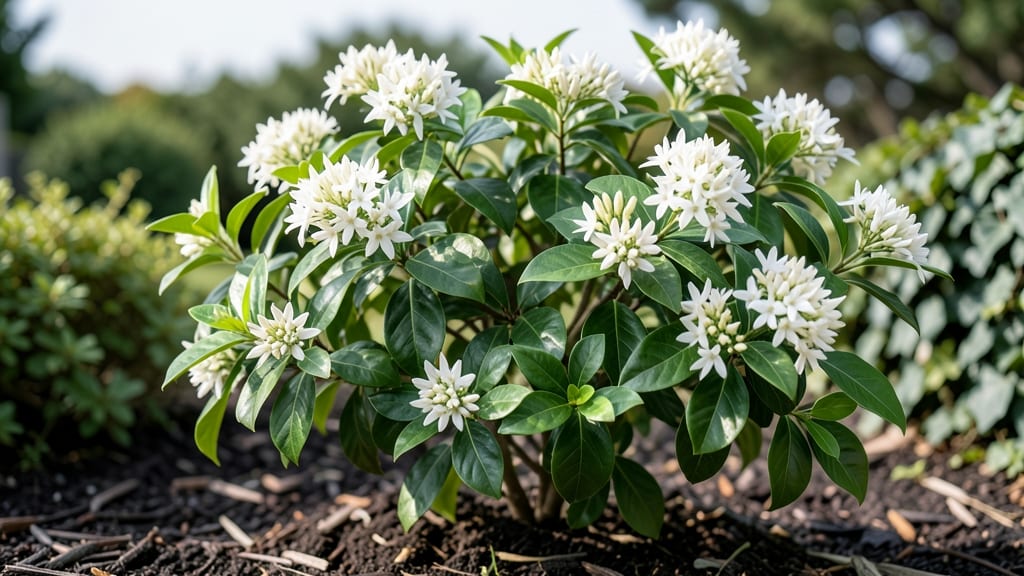
Star jasmine unfurls its star-shaped blooms when temperatures hit 75°F, and timing varies wildly by zone and variety. 🌸 My first year growing it, I nearly missed the show—it bloomed in late May in Zone 7, but my neighbor in Zone 9 got fragrant flowers by April.
The key isn't just heat, though; it's how you prep the plant for that moment.
Most varieties need full sun (6+ hours daily) and regular pruning after blooming to encourage next year's flowers. In cooler zones, wait until after last frost to plant, while warmer climates can push it into containers for earlier blooms.
The trick? Prune lightly in late winter to shape the plant—never cut into old wood, or you'll sacrifice next season's flowers.
When it finally blooms, you'll get clusters of white, intensely fragrant flowers that perfume the air at dusk. The plant rewards patience: with proper care, it can bloom for 6-8 weeks, and some varieties even rebloom lightly in fall.
Just don't overwater—star jasmine hates soggy roots and will drop buds if stressed.
For late bloomers, try a warmth-loving variety like 'Grand Duke of Tuscany' or 'Manso'. In cooler areas, plant near a south-facing wall to extend the season. Once you nail the timing, you'll understand why gardeners swear by this vine—it's the plant that turns evenings into a fragrant dream.
📚 In This Guide
- What you need
- Instructions
- Tips and common mistakes
- Wrapping up and next steps
What you need
- ● Star Jasmine Plants: 1-3 mature plants (depending on desired coverage; dwarfs like Trachelospermum asiaticum 'Little Star' need less space than vigorous varieties like 'Confetti'). Choose USDA Hardiness Zones 7-10 varieties for best heat-triggered blooming.
- ○ Well-Draining Soil: 5-10 gallons of loamy garden soil mixed with 20-30% perlite or coarse sand (for drainage). Optional: 1 cup of compost per plant to enrich nutrients (skip if soil is already fertile).
- ● Support Structures (if needed): 1-2 trellises, arbors, or stakes (6-10 ft tall, depending on variety; e.g., 'Blue Wonder' climbs aggressively). Soft plant ties or twine (1-2 rolls) to secure vines gently.
- ○ Watering Supplies: 1 hose with adjustable nozzle or 1 watering can (5-gallon capacity). Drip irrigation kit (optional) for consistent moisture in hot zones.
How to time star jasmine blooms for your climate
Here’s the method I use to predict—and encourage—star jasmine’s heat-triggered blooms, tailored to your hardiness zone.
🌱 Step 1: Identify Your Variety’s Heat Threshold
Star jasmine (Trachelospermum jasminoides) blooms only after consistent warmth, typically 75-85°F for at least 2-3 weeks. Southern varieties like ‘Sum and Substance’ bloom earlier (late spring), while northern types like ‘Little Ruby’ wait until mid-to-late summer. Check your plant’s tag—some hybrids bloom twice, but only if they’ve recovered from winter stress.
I always confirm bloom readiness by watching the new growth: when stems thicken and leaves turn glossy, that’s your cue. Skip this step, and you’ll miss the window—star jasmine won’t rebloom until next year.
☀️ Step 2: Adjust Light and Heat for Peak Triggering
Star jasmine needs full sun (6+ hours daily) to bloom, but in hot zones, afternoon shade prevents leaf scorch. If your plant’s leaves yellow or crisp, it’s getting too much direct heat. Move it to morning sun only for a week to cool it down—this resets its internal clock for blooming.
For cooler zones, use black plastic mulch (from your supplies) around the base to absorb heat and warm roots. You’ll see buds form within 2-3 weeks of consistent warmth—watch for tiny green swellings at leaf nodes.
💧 Step 3: Water Strategically to Encourage Blooms
Deep water once weekly (or when soil feels 2 inches dry)—star jasmine hates soggy roots, which delay blooming. I water at the base in the early morning to avoid fungal issues. If buds form but drop, you’re overwatering or using hard water (flush the soil with rainwater if possible).
Fertilize lightly with balanced 10-10-10 (from your supplies) once buds appear—too much nitrogen now sends energy to leaves, not flowers. You’ll know you’re on track when buds swell and turn pale green, then deepen to white.
⏰ Step 4: Prune for Next Year’s Blooms
After blooms fade, trim dead stems to the first healthy leaf—this redirects energy to new growth. I prune in early fall (zones 7-9) or late spring (zones 4-6) to avoid winter dieback. Never cut into old wood, or you’ll sacrifice next year’s flowers.
Mulch with 2-3 inches of shredded bark (from your supplies) to insulate roots in winter. Star jasmine’s dormancy period (when buds form for next year) starts when nights drop below 50°F. If you live in a mild zone, apply a light frost cloth in winter to protect emerging buds.
🌿 Step 5: Monitor for Rebloom Signals
Reblooming happens only if the plant stored enough energy. Look for new shoots at the base in early summer—that’s your sign to reduce water slightly and stop fertilizing. Stress (like slight drought) triggers secondary blooms in some varieties.
If no buds form by mid-August, your plant may need more sun or a winter chill period (zones 4-6). Move it to a sunnier spot next year, and you’ll see blooms within 6-8 weeks of warmth.
Tips & tricks for perfect star jasmine bloom timing
Timing star jasmine blooms is all about reading your plant—and your climate—like a pro. Here’s how to nail it every time.
Variety-Specific Timing: Southern varieties like ‘Sum and Substance’ need that 75-85°F warmth for just 2-3 weeks to trigger blooms, often in late spring. But northern types like ‘Little Ruby’? They wait until mid-to-late summer because they need more consistent warmth. Check your plant’s tag—some hybrids bloom twice, but only if they’ve recovered from winter stress. I’ve seen ‘Little Ruby’ bloom in early July after a long, hot June.
Heat Threshold Watch: The 75-85°F range is non-negotiable for bud formation. If your thermometer shows temps dipping below 75°F at night, move your plant closer to a south-facing wall or use a small space heater (on low) near the base for 2-3 weeks. I’ve used a 50-watt bulb in a reflector for stubborn plants—just don’t overdo it, or you’ll scorch the leaves.
Light Adjustment Hack: Too much afternoon sun? Move your plant to morning sun only for a week to cool it down. This resets its internal clock and prevents leaf scorch. I’ve seen star jasmine leaves crisp up in 90°F+ heat—once that happens, blooms get delayed by weeks. For cooler zones, black plastic mulch around the base warms roots enough to trigger buds in just 2-3 weeks of consistent warmth.
Rebloom Secret: If you spot new shoots at the base in early summer, that’s your sign to reduce water slightly and stop fertilizing. The stress from slight drought actually triggers secondary blooms in some varieties. I’ve had ‘Sum and Substance’ rebloom twice in one season using this trick—just don’t let the soil get bone-dry, or you’ll shock the plant.
Pro Tips for Star Jasmine Bloom Time
- Timing star jasmine blooms is all about reading your plant—and your climate—like a pro. Here’s how to nail it every t...
- Variety-Specific Timing: Southern varieties like ‘Sum and Substance’ need that 75-85°F warmth for just 2-3 weeks to t...
- Heat Threshold Watch: The 75-85°F range is non-negotiable for bud formation. If your thermometer shows temps dipping ...
Frequently asked questions
Got questions about when your star jasmine (Trachelospermum jasminoides) will burst into fragrant bloom? Here are answers to the most common queries—from timing to troubleshooting—so you can enjoy those sweet, star-shaped flowers at the perfect moment!
When does star jasmine typically bloom, and how does climate affect it?
Star jasmine usually blooms in late spring to early summer (May–July in most U.S. zones), triggered by warm weather. In hotter climates (Zones 8–10), it may bloom earlier (March–April) or even twice a year. Cooler zones (5–7) might see blooms delayed until June or July. Pro tip: A hard frost can damage new growth, so protect your plant if late blooms are threatened!
Can I control or speed up the blooming time?
While you can’t force star jasmine to bloom earlier, you can optimize conditions! Prune in late winter or early spring to encourage new growth, which prompts flowering. Ensure it gets full sun (6+ hours/day) and well-draining soil. For container-grown plants, move them to a sunnier spot temporarily. Avoid heavy fertilization during bloom—too much nitrogen delays flowers!
What should I do if my star jasmine isn’t blooming at all?
No flowers? Check these fixes:
- Lack of sunlight: Star jasmine needs 6+ hours of direct sun daily. If shaded, relocate it.
- Over-fertilizing: Too much nitrogen = leafy growth, no blooms. Use a low-nitrogen, high-phosphorus fertilizer (like 5-10-5) in early spring.
- Age or stress: Young plants (<2 years) may not bloom. Also, root-bound containers or drought stress can halt flowering.
- Pruning timing: Prune after blooming (not in fall/winter) to avoid cutting off next year’s buds.
If issues persist, your plant might need rejuvenation pruning (cut back 1/3 of growth) in late winter.
Are there star jasmine varieties that bloom at different times?
Yes! While most star jasmine blooms in late spring/summer, some varieties have unique timelines:
Variety
Typical Bloom Time
Notes
Trachelospermum jasminoides (Classic)
May–July (Zones 7–10)
Fragrant, heat-loving; may rebloom lightly in fall.
Trachelospermum asiaticum (Asiatic)
April–June (Zones 8–11)
Earlier bloomer; thrives in hot, dry climates.
Trachelospermum ‘Little Gem’ (Dwarf)
June–August (Zones 7–9)
Compact; blooms later but longer in cooler zones.
Pro tip: If you want year-round fragrance, plant multiple varieties—their bloom times often overlap!
Can star jasmine bloom indoors or in containers?
Yes, but with adjustments! Container-grown star jasmine can bloom, but it needs:
- Bright, indirect light (a south- or west-facing window or grow lights).
- Well-draining soil (mix potting soil with perlite).
- Regular pruning to encourage bushiness and blooms.
- Winter dormancy: Reduce watering in fall/winter to mimic outdoor conditions.
Indoor blooms may be less abundant than outdoor plants, but with care, you’ll still get sweet fragrance!
Wrapping up and next steps
Understanding your star jasmine bloom time is the key to enjoying its fragrant magic year after year! Whether you’re in a warm Zone 9 or a cooler Zone 7, heat and sunlight are your plant’s secret allies—so embrace them with confidence.
Now that you’re armed with variety-specific timelines and care tips, go ahead and give your star jasmine the love it deserves—prune, fertilize, and watch those star-shaped blooms light up your garden like nature’s own fireworks! 🌟
Ready to take it further? Experiment with companion plants or try propagating cuttings to share the joy! Your next step could be turning your garden into a fragrant paradise—one bloom at a time.